
Will your hair get greasy after an Indian head massage? The answer is no - if you choose the right oil and aftercare. Learn how this ancient practice nourishes your scalp without leaving residue.
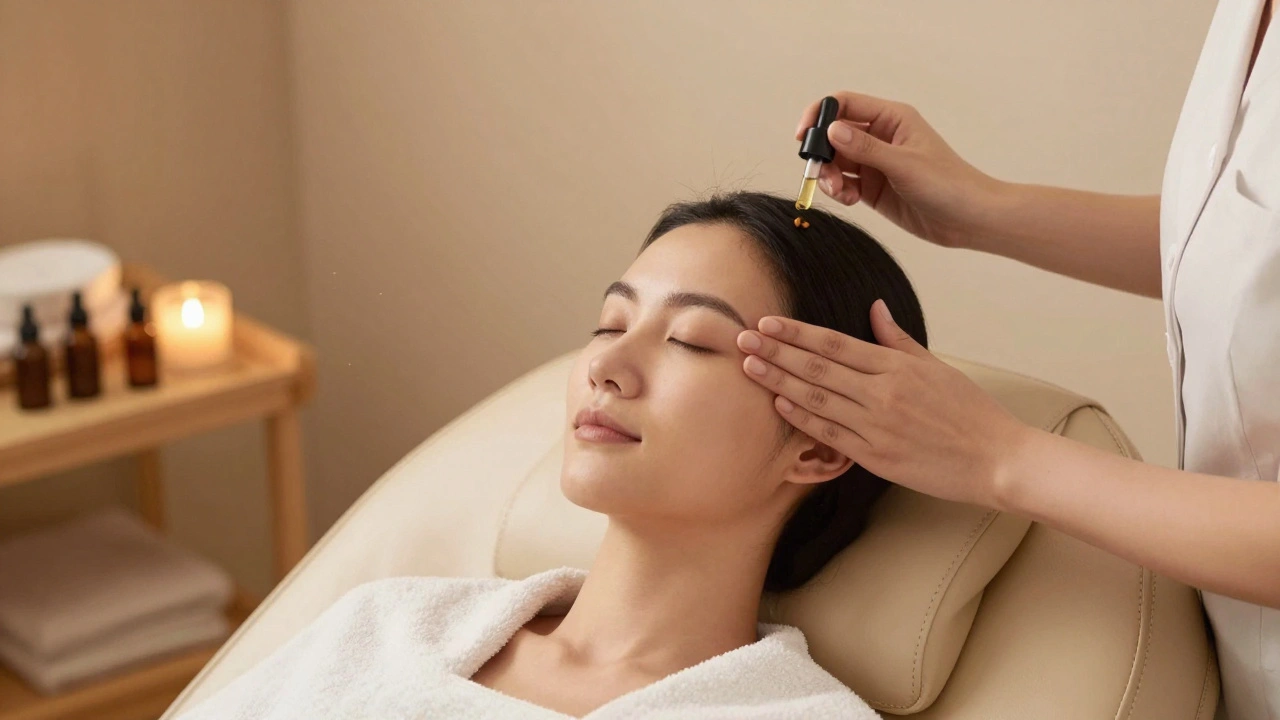
- Created by: Archer Caldwell
- Completed on: 18 Feb 2026
- Categories: Head Massage
You’ve booked your Indian head massage. You’re excited for the relaxation, the gentle pressure, the soothing scent of oils. But then it hits you: Will my hair be greasy after an Indian head massage? You’re not alone. This is one of the most common concerns people have before trying this ancient practice - and the good news? It’s usually not a problem at all.
Quick Takeaways
- Indian head massage doesn’t automatically make your hair greasy - it depends on the oil used and how much.
- Most salons use light, non-comedogenic oils like coconut, almond, or sesame that absorb quickly.
- If you’re worried, ask for a lighter application or a post-massage scalp cleanse.
- Greasy hair after the massage is rare if you have normal to oily hair - more common if you have very fine or thin hair.
- Washing your hair 6-8 hours later helps remove any residue without stripping natural oils.
Direct Answer
No, your hair won’t automatically be greasy after an Indian head massage. Most professional treatments use just enough oil to nourish the scalp without leaving a slick, oily residue. If you follow simple aftercare steps - like washing your hair later or choosing a salon that uses lighter oils - you’ll walk out feeling relaxed, not greasy.
What Is Indian Head Massage?
Indian head massage, also known as Champissage, comes from Ayurvedic traditions in India that date back over 1,000 years. It’s not just about rubbing your scalp - it’s a full treatment that targets the head, neck, shoulders, and upper back. The therapist uses thumbs and fingers to apply rhythmic pressure along energy points (marma points), loosen tension, and stimulate blood flow.
Unlike Western scalp massages that focus only on the head, Indian head massage works the entire upper body. It’s often done while you’re seated, fully clothed, and usually without a table. The oil? It’s optional. Many modern spas offer both oiled and non-oiled versions.
Why People Think Their Hair Will Get Greasy
The fear of greasy hair comes from one thing: oil. And yes, oil is often used in traditional Indian head massage. But here’s the misunderstanding - not all oils are the same. Coconut oil, for example, is thick and heavy. If you’ve used it in your hair before, you know it can sit on the surface and feel greasy.
But here’s what most people don’t realize: professional therapists don’t pour oil on your head like you’re deep-frying chicken. They use just a teaspoon - sometimes less - and massage it in thoroughly. The goal isn’t to coat your hair. It’s to deliver nutrients to the scalp, improve circulation, and loosen tension.
Also, many salons now offer oil-free sessions. Or they use lighter oils like sweet almond, jojoba, or grapeseed - all of which absorb quickly and leave no residue. These oils are non-comedogenic, meaning they won’t clog pores or make your scalp feel oily.
How Oil Works in Indian Head Massage
The oil isn’t just for lubrication. It’s part of the healing. In Ayurveda, the scalp is considered a gateway to the nervous system. Massaging oil into the scalp helps:
- Improve circulation to hair follicles
- Reduce stress hormones that can cause hair thinning
- Hydrate dry skin and flaky scalp
- Release built-up tension in neck and shoulder muscles
Think of it like moisturizing your face. You don’t slather on a thick cream and leave it on all day - you massage it in until it disappears. Same with Indian head massage. The oil is absorbed within minutes. What’s left on the hair? A tiny amount - barely noticeable.
Who Might Experience Greasiness
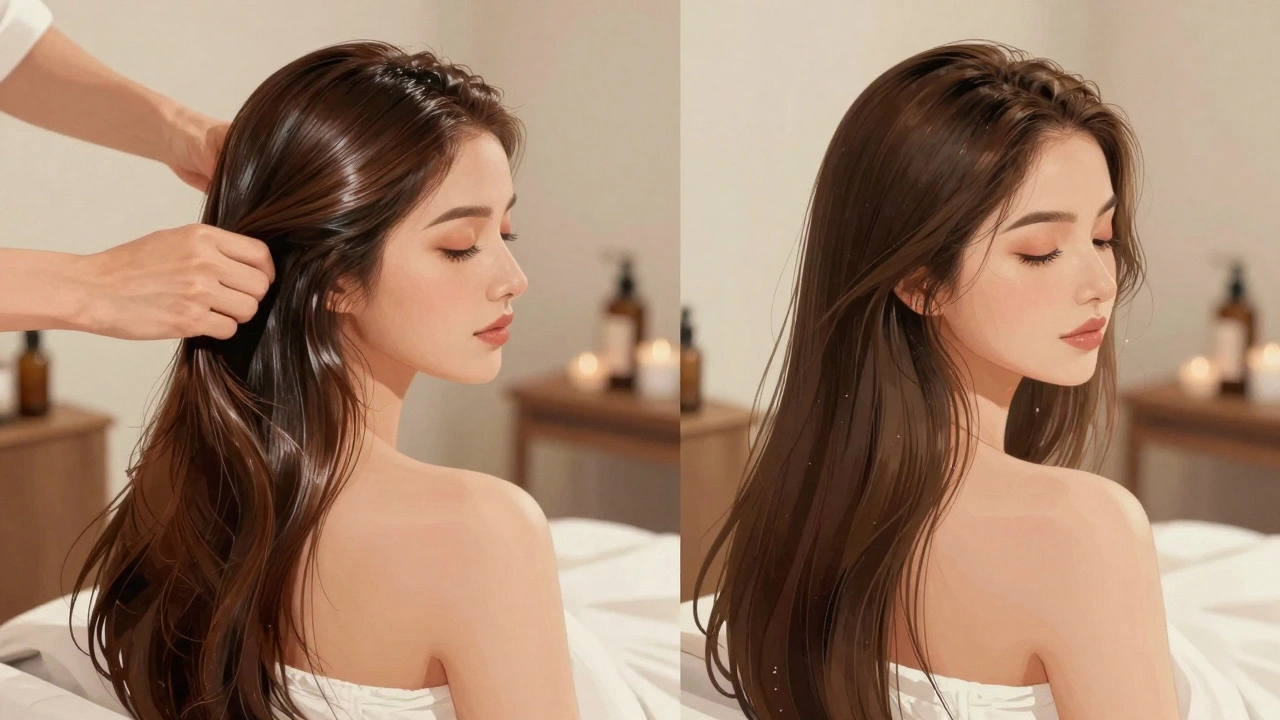
You’re more likely to feel greasy if:
- You have very fine, thin, or limp hair
- You’re using a heavy oil (like pure coconut or castor oil)
- The therapist applied too much oil
- You didn’t wash your hair afterward
People with thick, curly, or coarser hair rarely notice any greasiness. The texture holds up better, and the oil blends in naturally. If you have oily skin or scalp, you might feel a slight shine right after - but it fades within an hour.
What Happens If You Don’t Wash Your Hair After
Leaving oil on your scalp overnight isn’t harmful - in fact, some people do it intentionally for deep conditioning. But if you’re not used to it, you might notice:
- Your hair looks a little flat
- It feels heavier than usual
- There’s a faint scent of essential oils (like lavender or rosemary)
That’s it. No greasy build-up, no sticky strands. The oil doesn’t turn into a greasy film. It gets absorbed. If you’re still uncomfortable, just wash your hair the next morning. Use a gentle shampoo. You don’t need to strip your scalp - just rinse it clean.
How to Avoid Greasiness - Pro Tips
Here’s how to walk out of your session with soft hair - not oily:
- Ask for a light oil application - say, “I’d prefer just enough to glide, not to coat.”
- Choose lighter oils - jojoba, almond, or grapeseed over coconut or castor.
- Request a scalp cleanse - many spas offer a quick rinse or dry shampoo after the massage.
- Wash your hair 6-8 hours later - this lets the oil work without leaving residue.
- Avoid styling products right after - hairspray or gel can trap any tiny oil residue.
Oil-Free Indian Head Massage: A Great Alternative
Not into oil at all? You’re in luck. Many therapists now offer dry Indian head massage - no oil, no mess. It’s just hands, pressure, and rhythm. The benefits are nearly identical: reduced stress, better sleep, less tension headaches.
Dry massage is especially popular among:
- People with oily skin or scalp
- Those who wash their hair daily
- Men who don’t want to mess up their hairstyle
- Anyone who’s just trying it out for the first time
It’s not “less effective.” In fact, some say it’s more focused because there’s no oil to distract from the pressure points.
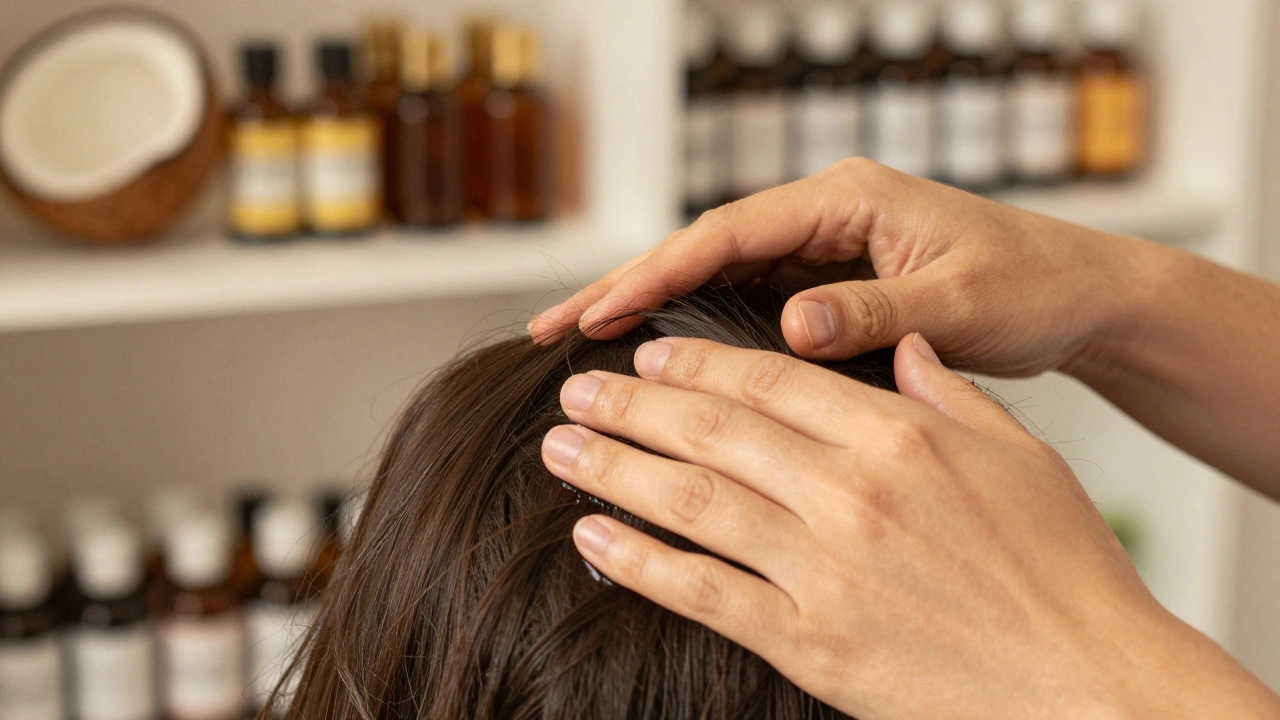
Comparison: Oiled vs. Dry Indian Head Massage
| Feature | Oiled Massage | Dry Massage |
|---|---|---|
| Oil Used | Light coconut, almond, or sesame | No oil |
| Greasy After? | Very rarely, if applied correctly | No |
| Best For | Dry scalp, curly hair, deep nourishment | Oily scalp, fine hair, quick sessions |
| Duration | 30-45 minutes | 20-30 minutes |
| Aftercare | Wash hair in 6-8 hours | No washing needed |
What to Expect During Your Session
You’ll sit in a comfortable chair. The therapist will drape a towel over your shoulders. They’ll start by warming their hands, then gently press into your temples, forehead, and scalp. You’ll feel the rhythm - slow circles, gentle tugs along the hairline, firm strokes down the neck.
If oil is used, they’ll apply it with their fingertips, not pour it. You’ll feel a light glide - not a slick layer. The scent? Usually calming: lavender, peppermint, or sandalwood. No chemical smells.
Most people feel deeply relaxed within 10 minutes. Some even fall asleep. When it’s over, you’ll feel lighter, calmer, and your scalp will feel clean - not greasy.
Pricing and Booking
A typical Indian head massage session lasts 30 minutes and costs between £25-£45 in London. Longer sessions (45-60 minutes) with extra time on the shoulders run £40-£65. Dry versions are usually £5-£10 cheaper.
Book through spas, wellness centers, or independent therapists. Look for places that specialize in Ayurvedic or holistic treatments. Check reviews - people will mention if the oil was too heavy or if the service was clean.
FAQ: Your Questions About Indian Head Massage Answered
Will Indian head massage make my hair grow?
It can help. Massaging the scalp increases blood flow, which delivers more nutrients to hair follicles. Studies show regular scalp massage can improve hair thickness over time. But it won’t regrow hair lost from genetics or medical conditions. Think of it as maintenance - not magic.
Can I do Indian head massage at home?
Absolutely. You can use a few drops of jojoba or almond oil and massage your scalp for 5-10 minutes before bed. Use your fingertips, not your nails. It’s a great way to unwind and improve sleep. Just don’t overdo the oil - a pea-sized amount is enough.
How often should I get an Indian head massage?
Once a week is ideal for stress relief and scalp health. If you’re dealing with tension headaches or insomnia, twice a week for a few weeks can help. For maintenance, once a month keeps things balanced.
Is Indian head massage safe for colored or treated hair?
Yes. Light oils like almond or grapeseed won’t strip color. In fact, they can help seal the cuticle and add shine. Avoid heavy oils like castor or coconut if your hair is fine or color-treated - they can weigh it down. Always tell your therapist about your hair treatments.
Why does my head feel tingly after the massage?
That tingling is a sign of increased circulation. The massage stimulates nerves and blood flow in the scalp. It’s normal and usually fades within 10-15 minutes. If it lasts longer or turns painful, let your therapist know - it might mean too much pressure was applied.
Final Thoughts
Indian head massage isn’t about leaving oil on your hair. It’s about giving your scalp the care it deserves - without the mess. Greasy hair? That’s a myth built on old assumptions. With the right oil, the right amount, and a little aftercare, you’ll walk out feeling refreshed, not greasy.
Try it. Ask for a dry version if you’re nervous. Or go for a light oil - you might be surprised how little you feel afterward. Your scalp will thank you.
Similar Posts

Will My Hair Be Greasy After an Indian Head Massage?
What Does Indian Head Massage Unblock? Benefits, Techniques, and Results Explained
Discover how Indian head massage unblocks energy, relieves tension, and improves wellbeing. Learn the benefits, how it works, and what to expect during a session.
Can Indian Head Massage Cause a Headache? Here’s What Really Happens
Can Indian head massage cause a headache? Sometimes-but it's usually due to pressure, oils, or dehydration, not the technique itself. Learn how to avoid it and find the right therapist in London.
donna maukonen
February 18, 2026 AT 13:52Mindy Robinson
February 18, 2026 AT 18:49adam denature
February 20, 2026 AT 17:57Ranjan Shetty
February 22, 2026 AT 16:17peter may
February 24, 2026 AT 08:42William Lapes
February 25, 2026 AT 11:45Gerry Hodgins
February 26, 2026 AT 06:56Dan Sprague
February 27, 2026 AT 22:11Kristine Daub
February 28, 2026 AT 08:43