
Not sure what to wear for an Indian head massage? This article breaks down everything you need to know to feel comfy and prepared. Learn what clothing works best, what to expect during your session, and how the right outfit can actually improve your massage experience. Get handy tips for both newbies and regulars, plus see answers to common questions. No more guessing—walk into your next appointment ready and relaxed.
- Created by: Archer Caldwell
- Completed on: 19 Jan 2026
- Categories: Head Massage
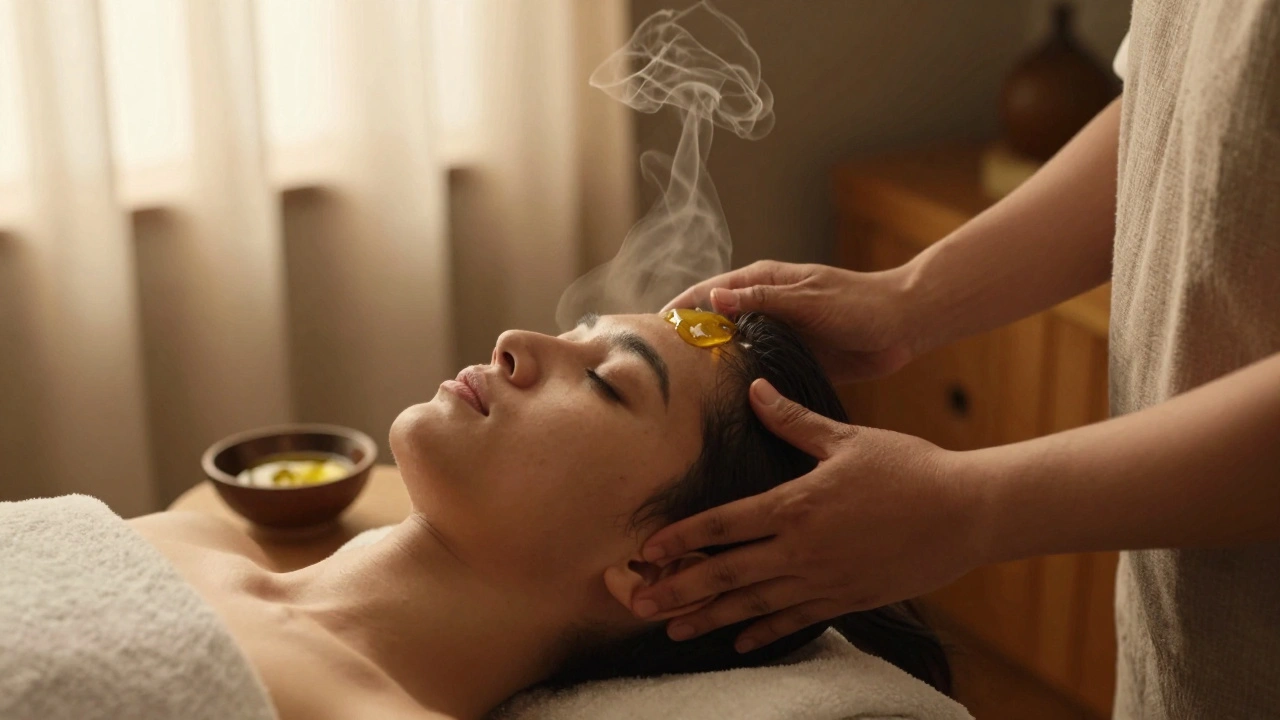
You’ve just finished an Indian head massage in London-relaxed, maybe even a little dazed-and then it hits you: a dull throb behind your eyes, or a tight band around your forehead. Was it the pressure? The oils? Or did you just have bad luck? You’re not alone. Many people wonder: can Indian head massage cause a headache? The short answer? Sometimes, yes-but it’s not the massage itself that’s the problem. It’s usually how it’s done.
Why Do Some People Get Headaches After an Indian Head Massage?
Indian head massage, also known as Champissat, comes from ancient Ayurvedic traditions. It targets the scalp, neck, shoulders, and face using rhythmic pressure, circular motions, and gentle tugging. It’s meant to release tension, improve circulation, and calm the nervous system. But if you end up with a headache, it’s rarely because the technique is flawed-it’s usually because of one of these five triggers:
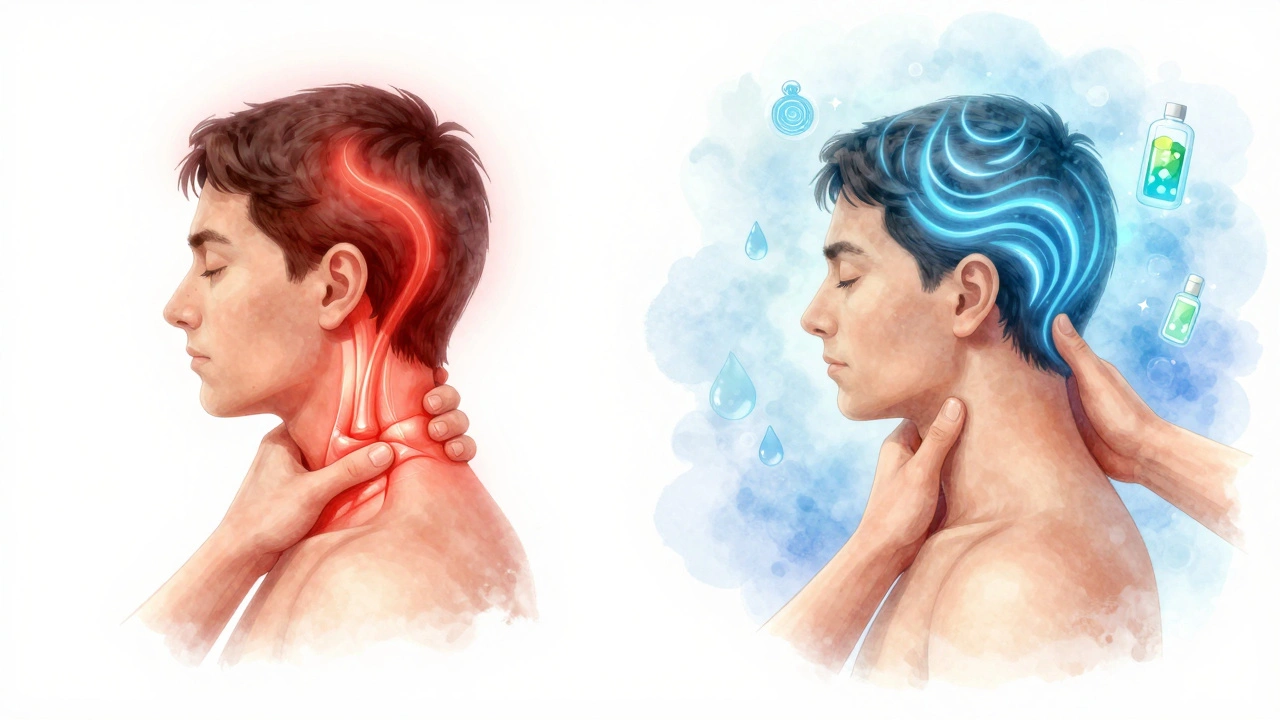
- Too much pressure: Especially on the temples or base of the skull. Some therapists think ‘more pressure = better results,’ but that can overstimulate nerves and blood vessels.
- Dehydration: You’re lying still for 30-45 minutes, breathing slower, and your body’s fluid balance shifts. If you didn’t drink water before or after, that can trigger a tension-type headache.
- Essential oil sensitivity: Many therapists use coconut, sesame, or peppermint oil. Peppermint is great for tension-but if you’re prone to migraines, its strong scent or skin absorption can set off a reaction.
- Underlying tension or migraine condition: If you already have a headache brewing, the massage might bring it to the surface faster. Think of it like poking a bruise-it doesn’t cause the injury, but it makes you notice it.
- Positioning during the massage: Lying face down with your head turned to one side for too long can strain neck muscles, leading to referred pain in the head.
One client I spoke to in Notting Hill told me she used to get migraines after every session-until she switched therapists. The first one used deep thumb pressure right on her occipital ridge. The new one uses lighter, broader strokes. No more headaches. It’s not about avoiding the massage. It’s about finding the right touch.
What Indian Head Massage Actually Does to Your Body
Let’s clear up a myth: Indian head massage doesn’t ‘release toxins’ or ‘unblock energy channels’ in the way some wellness influencers claim. But it does have real, measurable effects.
Studies from the Journal of Alternative and Complementary Medicine show that a 15-minute session can reduce cortisol levels by up to 28% and increase serotonin by 19%. That’s not magic-it’s physiology. The massage stimulates pressure receptors in the scalp and neck, which send signals to the brain to slow down stress responses. Blood flow to the scalp increases, which can help with hair health and reduce tension headaches over time.
But here’s the key: the benefits kick in after the session, not during. If you feel worse right after, it’s usually temporary. Think of it like a workout-you might feel sore the next day, but that doesn’t mean the exercise was bad. Same here.
Types of Indian Head Massage Available in London
Not all Indian head massages are the same. In London, you’ll find three main styles:
- Traditional Ayurvedic: Uses warm herbal oils (like sesame or bhringraj), slow circular motions, and focuses on balancing doshas. Best for chronic tension and deep relaxation. Often lasts 45-60 minutes.
- Modern Spa Style: Lighter pressure, shorter sessions (20-30 mins), often with almond or coconut oil. Common in Covent Garden and Camden spas. Good for quick stress relief.
- Therapeutic Clinical: Offered by licensed massage therapists or physiotherapists. Targets specific trigger points, often combined with neck mobilisation. Used for migraines, TMJ, or whiplash recovery.
If you’re prone to headaches, go for the Modern Spa or Therapeutic Clinical style. Avoid the heavy oil-heavy Traditional version unless you know your body responds well to it.
How to Find a Safe Indian Head Massage in London
London has hundreds of places offering this service-from street-side parlours in Brick Lane to luxury spas in Mayfair. Here’s how to pick one that won’t leave you with a pounding head:
- Check credentials: Look for therapists trained by the Complementary Therapists Association or ITEC. They’re required to understand anatomy and contraindications.
- Ask about oil choices: If you’re sensitive to strong scents, request unscented or mild oils like jojoba or grapeseed.
- Speak up during the session: Say ‘softer’ if pressure feels sharp. You’re not being rude-you’re helping them do their job better.
- Avoid places that push add-ons: Some places offer ‘energy balancing’ or ‘chakra clearing’ as upsells. These aren’t part of authentic Indian head massage. Stick to the basics.
Top spots in London with solid reputations: Body Bliss in Notting Hill, The Head Spa in Shoreditch, and Yoga & Massage Co. in Hampstead. All have trained therapists who adjust pressure based on your feedback.
What to Expect During a Session
Here’s what actually happens in a typical 30-minute session:
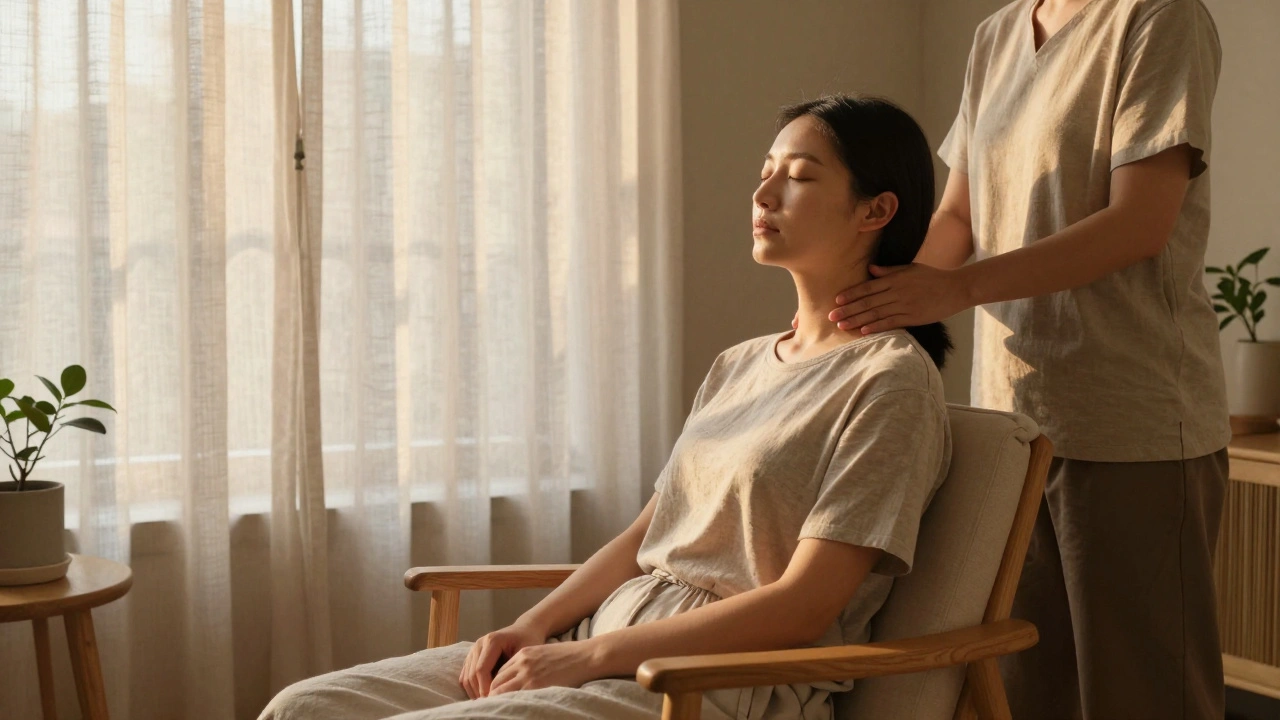
- You sit in a comfortable chair, fully clothed (no undressing needed).
- The therapist warms a small amount of oil in their hands and starts at the forehead, using gentle circular motions.
- Movements move to the temples, then the scalp-using fingertips to apply light pressure in a rhythmic pattern.
- They work down the neck and shoulders, using thumb pressure along the spine and gentle stretches.
- Finally, they massage the face-cheeks, jaw, and around the eyes-with soft, sweeping strokes.
Most people feel a wave of warmth and heaviness in their head. Some even fall asleep. If you feel any sharp pain, tingling, or dizziness, tell them immediately. That’s not normal.
Pricing and Booking in London
Prices vary by location and experience:
- £25-£35: Basic 20-30 min session at a local salon or high street spa.
- £45-£65: 45-60 min session with premium oils and extended neck/shoulder work.
- £70+: Therapeutic sessions with a licensed physiotherapist or Ayurvedic specialist.
Most places let you book online. Look for reviews that mention ‘headache’ or ‘pressure’-that’s your real indicator of quality. Avoid places with no reviews or only 5-star ratings (they’re often fake).
Safety Tips to Avoid Headaches
If you’ve had headaches after a massage before, here’s how to prevent it:
- Hydrate well-drink 2 glasses of water an hour before and after.
- Avoid caffeine for 2 hours before and after. It can interfere with blood flow changes.
- Don’t rush. Stay seated for 5-10 minutes after the massage. Stand up too fast, and you might get lightheaded.
- Skip it if you’re sick or have a migraine in full swing. Wait until you’re feeling stable.
- Ask for a patch test if you’ve never used the oils before-especially if you have sensitive skin.

Indian Head Massage vs. Swedish Head Massage in London
| Feature | Indian Head Massage | Swedish Head Massage |
|---|---|---|
| Origin | Ayurvedic tradition, India | Swedish gymnastics, 1800s Europe |
| Pressure | Firm, rhythmic, focused on scalp and neck | Light to medium, flowing strokes |
| Oils Used | Warm herbal oils (sesame, coconut) | Light nut oils (almond, grapeseed) |
| Duration | 20-60 minutes | 15-30 minutes |
| Best For | Tension relief, hair health, deep relaxation | Quick stress relief, circulation boost |
| Headache Risk | Higher if pressure too strong or oils too strong | Lower-gentler technique |
If you’re new to head massages or prone to headaches, start with Swedish. It’s less intense, less oily, and easier to tolerate. Once you know your body responds well, you can try Indian.
Frequently Asked Questions
Can Indian head massage cause a migraine?
It can trigger one if you’re already susceptible. Strong scents like peppermint or eucalyptus oil, excessive pressure on the temples, or bright lights during the session can act as migraine triggers. If you have a history of migraines, avoid strong oils and ask for dim lighting. Always tell your therapist about your condition beforehand.
Is it normal to feel dizzy after an Indian head massage?
A slight lightheadedness is common, especially if you’re dehydrated or stood up too quickly. But true dizziness-like the room spinning-is not normal. It could mean your blood pressure dropped too fast or the massage was too intense. Sit down for 5-10 minutes after, drink water, and avoid driving or operating machinery right after.
How long does a headache last after an Indian head massage?
If it’s a mild tension headache from pressure or dehydration, it usually clears within 2-4 hours. If it lasts longer than 6 hours, or gets worse, it’s not related to the massage. It could be a migraine, sinus issue, or another condition. Don’t assume it’s ‘just from the massage’-get it checked if it persists.
Should I avoid Indian head massage if I have high blood pressure?
You don’t need to avoid it entirely, but you must be cautious. Deep pressure on the neck can temporarily affect blood flow to the brain. Ask your therapist to use only light to medium pressure and avoid the carotid arteries (the sides of the neck). Always consult your doctor first if you’re on medication or have unstable blood pressure.
Can children get Indian head massage?
Yes, but only with very light pressure and child-safe oils. Many parents use it to help kids relax before bed. Always choose a therapist experienced with children. Avoid strong scents and deep scalp manipulation-kids’ skulls are more sensitive. A 10-minute session is plenty.
Final Thoughts
Indian head massage doesn’t cause headaches-it can just reveal them. If you’re someone who holds tension in your scalp and neck, the massage might bring that discomfort into focus. But that doesn’t mean you should avoid it. It means you need to find the right therapist, the right pressure, and the right oils. London has plenty of skilled practitioners who know how to adjust for your body. Don’t let one bad experience stop you. Try again, smarter this time.
Next time you book, ask for a ‘gentle’ session. Say you’re sensitive to pressure. Drink water. Sit still for five minutes after. You might just find your new go-to way to reset your nervous system-without the headache.
Similar Posts
What to Wear for an Indian Head Massage: Your Go-To Guide
What Is An Indian Head Massage?
Indian head massage is an ancient art that's found fresh popularity among those seeking stress relief, energy balance, and mental clarity. This guide explores its deep Ayurvedic roots, the unique blend of techniques, the uses of oils and tools, plus the felt benefits and career potential. You'll discover prep tips, course options, and expert answers to common questions. Whether you're curious about receiving a session or learning the skill, this read explains why Indian head massage is so much more than a wellness trend.
Do Indian Head Massages Work? Real Results from London Practitioners
Indian head massages work by reducing stress, easing tension headaches, and improving scalp circulation. Used for centuries in Ayurveda, they’re a quick, effective way to reset your nervous system - especially in busy cities like London.
Garry Lawton
January 21, 2026 AT 00:31I’ve had a few bad experiences with head massages too, but once I found a therapist who asked about my sensitivity to pressure, everything changed. Seriously, communication is half the battle.
Don’t be shy to say ‘softer’-they’d rather adjust than have you walk out with a headache.
Eamon Lane
January 22, 2026 AT 05:16Hydration before and after is non-negotiable. I used to blame the massage until I started drinking a full glass of water 30 mins before. No more headaches.
Simple fix, huge difference.
Graham Armstrong
January 23, 2026 AT 03:19Interesting breakdown. The distinction between traditional and therapeutic styles is often overlooked. Most people don’t realize not all ‘Indian head massage’ is the same.
Hazel Lopez
January 24, 2026 AT 04:29I always ask for jojoba oil now. Peppermint used to give me migraines, even though everyone says it’s ‘so calming.’ Turns out, my brain disagrees.
Tina Reet
January 24, 2026 AT 08:09This article is dangerously misleading. You’re normalizing a practice that can trigger neurological events in vulnerable people. The fact that you suggest people ‘try again smarter’ ignores the real risk: these massages are not medically regulated. You’re encouraging people to gamble with their nervous system.
And don’t get me started on ‘Ayurvedic’ being used as a marketing buzzword by spas that have never studied a single dosha.
Melanie Luna
January 25, 2026 AT 21:58As a licensed massage therapist with over 12 years specializing in cranial-sacral work, I can confirm: most post-massage headaches stem from three things-excessive pressure on the occipital ridge, dehydration, and untrained therapists using essential oils like peppermint or rosemary on migraine-prone clients.
Therapeutic clinical styles are the only safe option for those with neurological sensitivities. The rest are spa theater.
Always ask for the therapist’s certification. If they can’t produce it, walk out. Your brain is worth more than £35.
Beth Butler
January 27, 2026 AT 15:41So glad someone finally explained this clearly. I was so scared to try again after one bad session, but now I feel hopeful. Thanks for the practical tips!
Patrick Wan
January 28, 2026 AT 08:34Wait-so you’re telling me that a 2000-year-old Indian healing tradition… is now being weaponized by London spa owners to sell overpriced coconut oil… while ignoring the fact that scalp pressure can stimulate the vagus nerve and induce parasympathetic overload? And you’re telling people to ‘just drink water’? That’s not a fix-that’s a cover-up.
Who funds these ‘studies’? Big Aromatherapy? The same people who told us MSG was safe?
There’s a pattern here. Always is.
Dillon Diaz
January 29, 2026 AT 02:30Of course Americans think this is fine. In the U.S., you slap a ‘wellness’ label on anything and call it science. Real medicine doesn’t rely on ‘gentle strokes’ and ‘oil choices.’ If you need a massage to function, you’re already broken. And peppermint oil? That’s just herbal caffeine. Pathetic.