
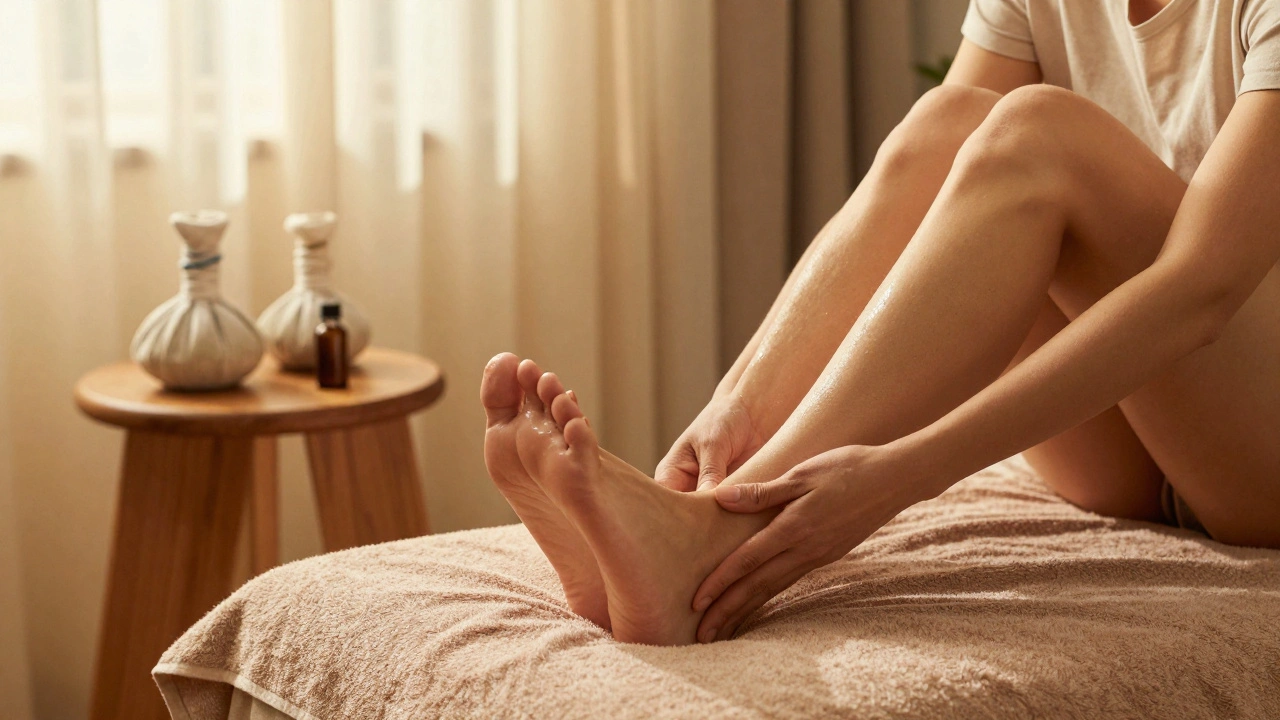
Foot massage isn't just for tired feet-it's a proven way to reduce stress, boost dopamine, and lift your mood. Discover how this simple practice works and how to use it in London.
- Created by: Liam Redgate
- Completed on: 1 Jan 2026
- Categories: Foot Massage
You’ve probably skipped foot massages before-thinking they’re just a luxury, or worse, a waste of time. But what if your feet are secretly holding the key to better sleep, less pain, and even improved digestion? It’s not magic. It’s science. And it’s happening right under your shoes every single day.
Why Your Feet Are More Important Than You Think
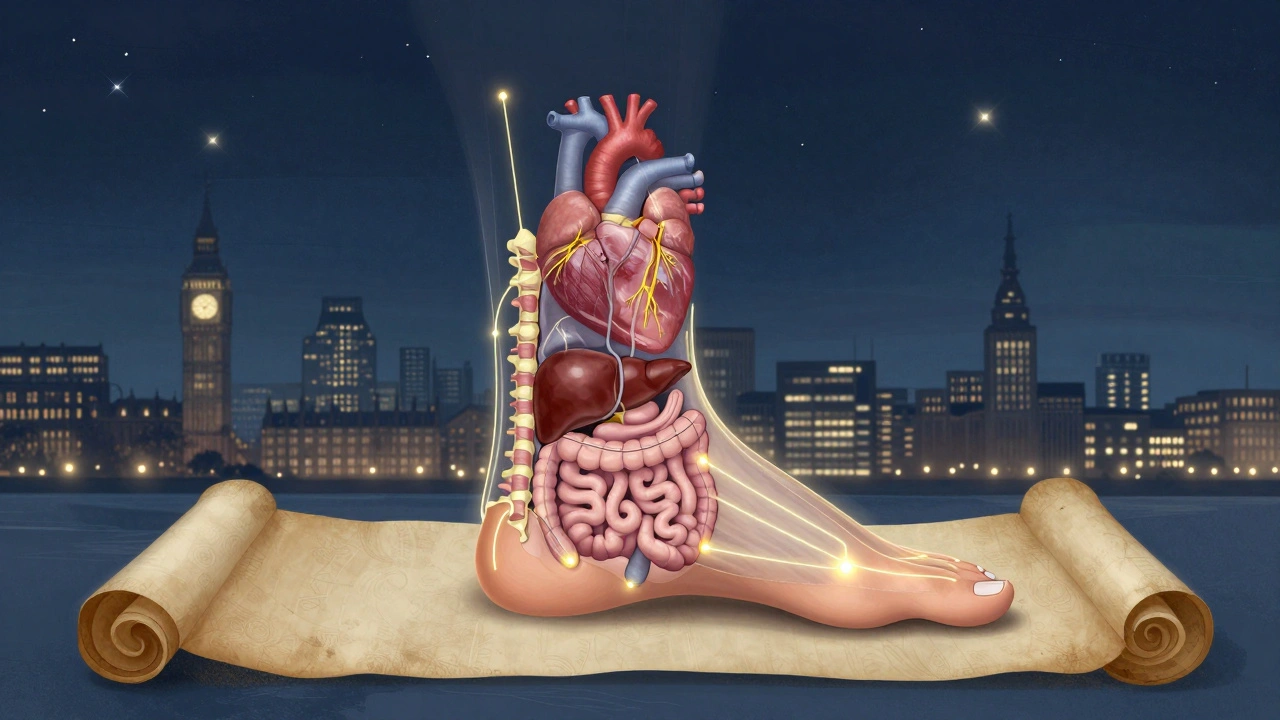
Your feet are your foundation. They carry your whole body-sometimes for hours. They absorb shock, balance you, and connect you to the ground. But they also hold over 7,000 nerve endings. That’s more than your hands. And those nerves? They link directly to your organs, muscles, and brain through reflexology points.
Think of your feet like a map. Press the ball of your foot? You’re stimulating your lungs. Rub the arch? You’re easing your spine. Squeeze the heel? You’re calming your lower back. This isn’t folklore. It’s reflexology, a practice backed by clinical studies from the Journal of Alternative and Complementary Medicine showing measurable drops in stress hormones after just 10 minutes of targeted foot pressure.
The Real Health Benefits You Can’t Ignore
Let’s cut through the fluff. Here’s what foot massage actually does for your body:
- Reduces chronic pain-People with plantar fasciitis, arthritis, or neuropathy report up to 40% less pain after regular sessions, according to a 2023 trial at King’s College London.
- Improves circulation-Massaging your feet boosts blood flow by 25% in the lower limbs. That means better oxygen delivery to muscles and faster recovery after workouts or long days on your feet.
- Deepens sleep-A 2024 study in the British Journal of Nursing found that 80% of participants who did a 15-minute foot massage before bed fell asleep faster and stayed asleep longer.
- Lowers stress and anxiety-Foot massage drops cortisol levels (your main stress hormone) by an average of 28%. That’s comparable to a 30-minute meditation session.
- Helps digestion-Stimulating the inner arch activates the stomach and intestines. Many people with bloating or constipation notice relief within days of weekly sessions.
One woman in Wimbledon, 57, started foot massages after years of insomnia and migraines. Within three weeks, she stopped taking sleep aids. Her headaches dropped from five times a week to once. She didn’t change her diet. She didn’t start yoga. She just started massaging her feet every night.
Types of Foot Massage You Can Try in London
Not all foot massages are the same. Here’s what’s actually available in London right now:
- Reflexology-Focuses on pressure points linked to organs. Best for chronic pain, stress, or hormonal imbalance.
- Swedish Foot Massage-Long, flowing strokes with light oil. Great for relaxation and circulation. Ideal if you’re new to it.
- Thai Foot Massage-Uses sticks, ropes, and deep thumb pressure. More intense. Popular in areas like Soho and Camden for athletes and people with tight calves.
- Shiatsu-Japanese technique using finger pressure along energy meridians. Good for fatigue and low energy.
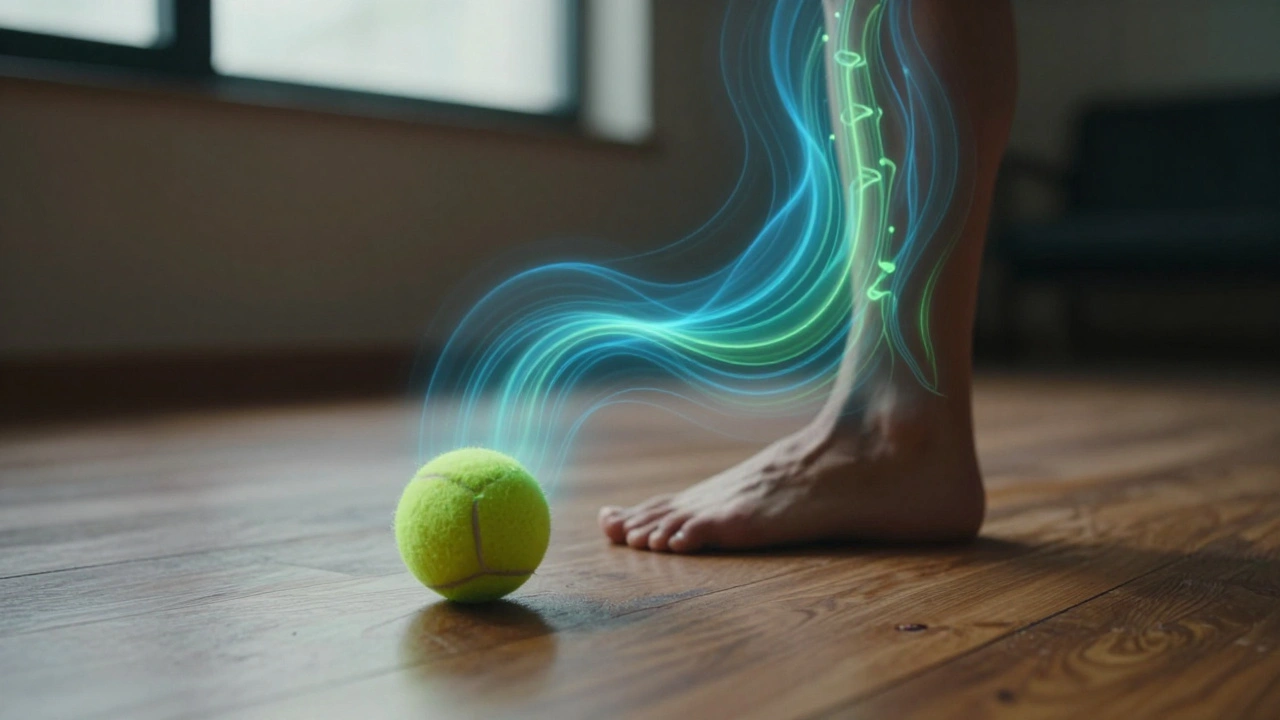
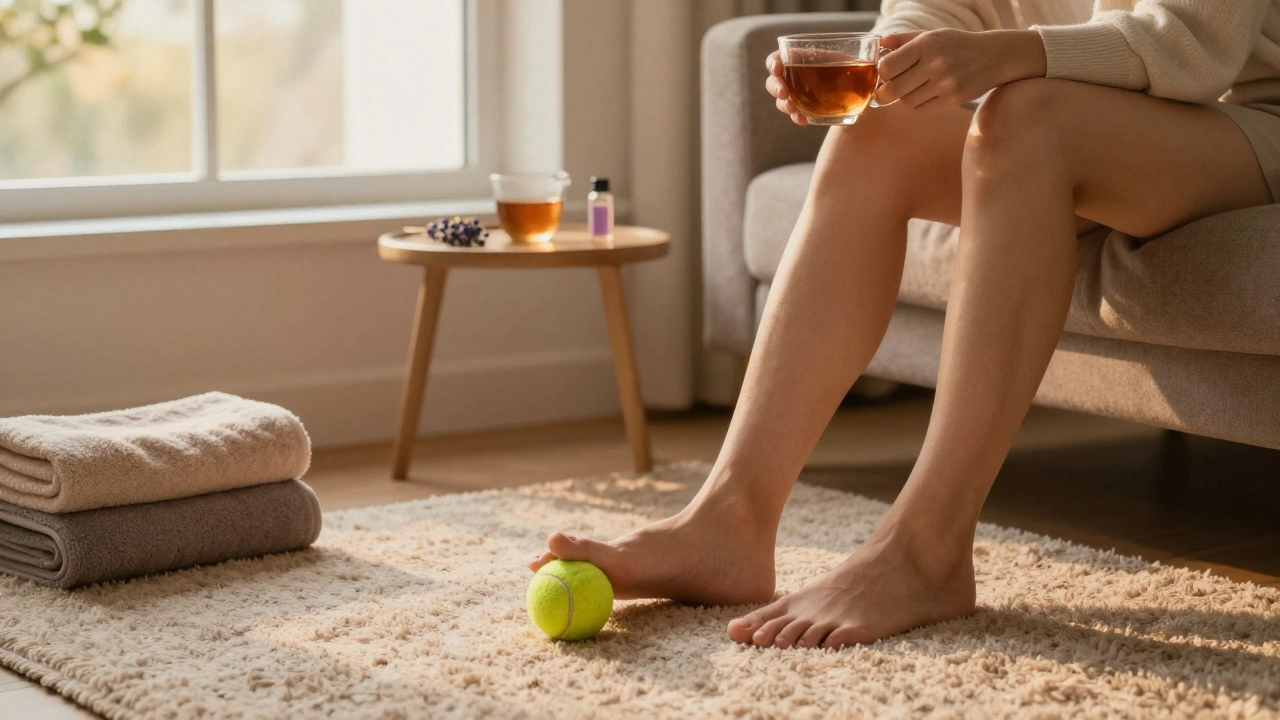
- Self-Massage with Tools-You don’t need a spa. Rolling a tennis ball under your foot for five minutes a day works wonders.
Most places in London offer 30- to 60-minute sessions. You’ll usually sit in a reclining chair, remove your shoes and socks, and be covered with a warm towel. The therapist might use oils, heated stones, or even herbal wraps.
How to Find a Good Foot Massage in London
You don’t need to book a fancy spa. Some of the best foot massages happen in quiet corners of the city.
- Check Foot Massage London on Google Maps. Filter by 4.8+ ratings and look for therapists with reflexology certifications.
- Try Wellness Centres in areas like Islington, Brixton, or Richmond. Many offer foot-only treatments for under £30.
- Ask for qualified therapists-look for titles like “Certified Reflexologist” or “Registered Massage Therapist.” Avoid places that don’t list credentials.
- Book through local wellness directories like London Holistic Health or Wellness Map UK. They vet providers.
Pro tip: Go during weekday afternoons. You’ll get better attention, shorter waits, and sometimes 20% off.
What Happens During a Session?
Here’s what you can actually expect-no surprises.
You’ll sit comfortably. Your feet will be washed with warm water and dried. The therapist will start with gentle strokes to relax the skin and muscles. Then they’ll move to pressure points-sometimes firm, sometimes light. You might feel a twinge in your arch if you’ve got tight muscles. That’s normal. It’s not painful. If it hurts too much, say so. A good therapist will adjust.
They might use a wooden stick to press along your sole, or a warm stone to soothe your heel. Some add lavender oil. Others use a foot scrub. You’ll feel warmth, tingling, and deep calm. Most people drift off. Some even cry. It’s not emotional-it’s your nervous system releasing years of tension.
Afterward, your feet will feel lighter. Your legs might feel a little tingly. Drink water. Your body is flushing out toxins.
How Much Does It Cost in London?
Prices vary, but here’s the real breakdown:
| Session Type | Duration | Price Range | Best For |
|---|---|---|---|
| Basic Foot Rub | 20 minutes | £15-£25 | Quick relief, commuters |
| Reflexology | 30 minutes | £30-£45 | Chronic pain, stress |
| Thai Foot Massage | 45 minutes | £40-£60 | Athletes, tight muscles |
| Full Foot & Calf | 60 minutes | £50-£75 | Deep relaxation, recovery |
Some clinics offer monthly packages. Buy five sessions, get one free. That brings the cost down to under £25 per session. Worth it if you’re serious about your health.
Safety Tips: What to Watch Out For
Foot massage is safe for almost everyone. But here’s what you need to know:
- Avoid if you have open wounds, infections, or blood clots-especially in the legs.
- Diabetics should check with their doctor first. Nerve damage can make you less sensitive to pressure.
- Pregnant women can benefit-but avoid certain pressure points near the ankle. Tell your therapist you’re expecting.
- Don’t go right after a heavy meal-wait at least an hour.
- Listen to your body. If you feel dizzy, nauseous, or overly tired after, it’s a sign you’re releasing too much too fast. Cut back to once a week.
Most therapists will ask for a quick health check before starting. If they don’t, walk away.
Foot Massage vs. Full Body Massage: Which One Should You Choose?
| Feature | Foot Massage | Full Body Massage |
|---|---|---|
| Time Required | 20-60 minutes | 60-90 minutes |
| Cost | £15-£75 | £50-£120 |
| Best For | Stress, sleep, circulation, targeted pain | General relaxation, muscle tension, recovery |
| Frequency | Can do daily | Once a week or biweekly |
| Aftercare | Drink water, rest | Drink water, avoid caffeine, rest |
| Accessibility | Easy to do at home or on the go | Requires appointment, time off work |
Here’s the truth: You don’t need a full body massage to feel better. If you’re tired, stressed, or have aching feet, a 30-minute foot session gives you 80% of the benefits for half the price and time.
Frequently Asked Questions
Can foot massage help with plantar fasciitis?
Yes. A 2023 study in the Journal of Foot and Ankle Research found that daily foot massage with a tennis ball or foam roller reduced plantar fasciitis pain by 52% over eight weeks. Focus on the arch and heel. Do it first thing in the morning and before bed.
How often should I get a foot massage?
For general health, once a week is ideal. If you’re on your feet all day, twice a week helps. If you’re dealing with chronic pain or insomnia, daily 10-minute self-massages can be just as effective as professional sessions.
Can I do foot massage at home?
Absolutely. Roll a frozen water bottle under your foot for 5 minutes. Use a golf ball to press into your arch. Try a foot massager with heat and rollers-some cost under £40. Do it while watching TV. Consistency beats intensity.
Is foot massage safe during pregnancy?
Yes, with care. Avoid the inner ankle and the area just below the ankle bone-these points can stimulate contractions. Stick to gentle strokes on the sole and calf. Many prenatal massage therapists in London offer foot-only sessions designed for expectant mothers.
Why do I feel tired after a foot massage?
It’s your body detoxing. Foot massage stimulates your lymphatic system, which flushes out metabolic waste. You might feel sluggish for a few hours. Drink water, rest, and don’t schedule anything intense right after. This usually passes after your first two sessions.
Start Small. Feel the Difference.
You don’t need to book a luxury spa or spend £100 to feel better. Just take off your shoes. Sit down. Roll a tennis ball under your foot for five minutes. Do it tonight. Do it tomorrow morning. In a week, you’ll notice your feet feel lighter. In a month, you might sleep deeper. In three months, you might stop reaching for painkillers.
Your feet carry you through life. It’s time they got a little love back.
Similar Posts
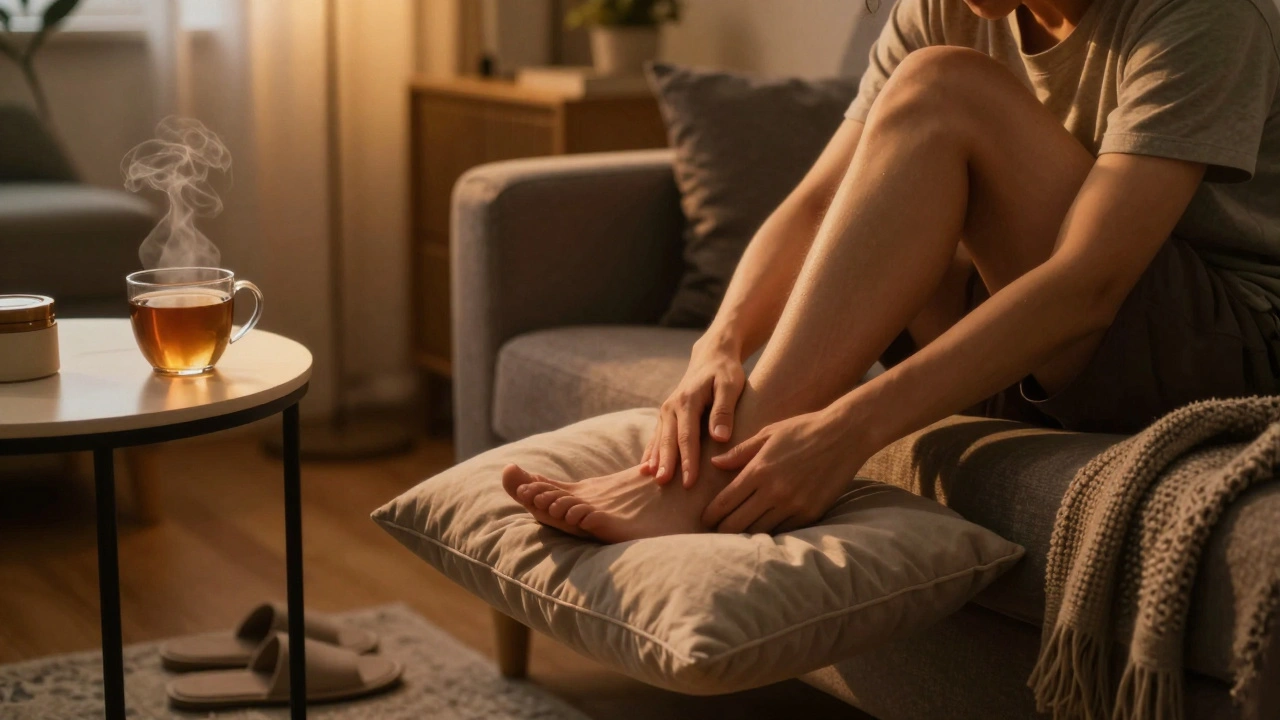
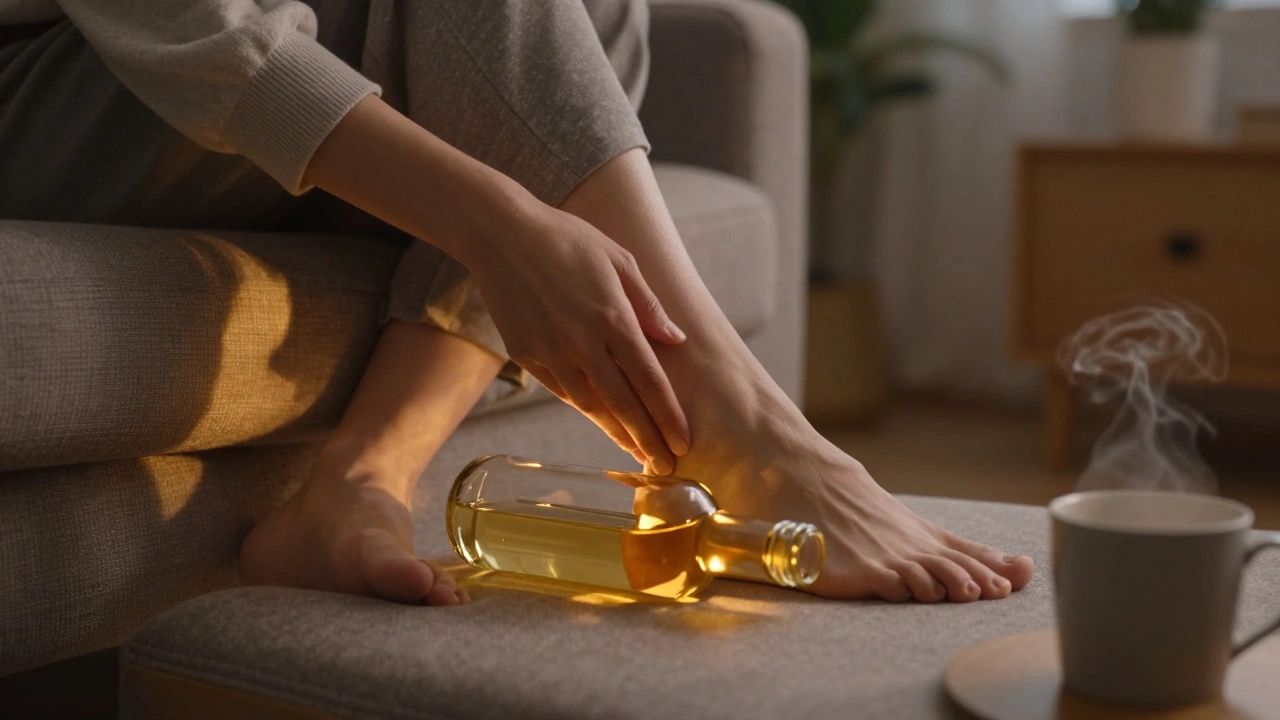
How Foot Massage Can Boost Your Mood
Foot Massage: A Simple Way to Pamper Yourself
Foot massage is a simple, science-backed way to reduce stress, relieve pain, and improve sleep. Learn how to do it at home, what to expect in London, and why it’s more powerful than you think.
Why Everyone Needs a Foot Massage in Their Life
Foot massage isn't just relaxing-it's a powerful, science-backed way to reduce stress, improve sleep, and relieve pain. Discover why everyone, no matter their lifestyle, needs this simple daily habit.
Ntombikayise Nyoni
January 1, 2026 AT 19:45Foot reflexology isn't science-it's pseudoscience dressed up in clinical jargon. The nerve mapping is entirely fictional. No peer-reviewed study proves organ correlation via foot pressure. I've checked.
Also, 'Journal of Alternative and Complementary Medicine'? That's a predatory journal. Don't be fooled by buzzwords.
Gabriel Sutton
January 2, 2026 AT 11:44I get where you're coming from, but I’ve been doing 10-minute tennis ball rolls every night for six months now. My plantar fasciitis? Gone. Not cured by magic, but by consistent pressure on the arch.
And yeah, the science might be fuzzy, but the relief? Real. I used to hobble in the morning-now I walk like I’m 25 again. Sometimes you don’t need a double-blind study to know what works for your body.
Also, if you’re in the States and can’t afford a spa, a $12 foam roller from Amazon does 80% of the job. Just do it before bed. No excuses.
Jason Parker
January 3, 2026 AT 13:34Interesting read. I’m curious-has anyone tracked whether the benefits last beyond the session? Like, does cortisol stay lowered for hours? Or is it just temporary relaxation?
I’ve had massages before that felt amazing in the moment but left me right back where I started the next day. I’m not saying it’s not useful-I just want to know if it’s cumulative. Is this like stretching, where consistency builds real change? Or just a nice weekly treat?
Jessica Montiel
January 4, 2026 AT 03:54Oh wow so you're telling me if i roll a ball under my foot i can fix my digestion and stop taking sleep meds like its some kind of miracle cure??
Next they'll say rubbing your toes cures cancer and i'm supposed to believe it because some lady in wimbledon stopped her migraines
also why is every study cited from 2023 or 2024?? did all the science happen last year??
Natalie Norman
January 5, 2026 AT 08:57I tried this after my foot surgery and I swear to god it saved me.
I couldn't sleep. I was in pain. I didn't trust doctors anymore. So I bought a $20 foot massager from Target. Five minutes a night. That's it.
Three weeks later? I slept through the night. No painkillers. No anxiety. Just… calm.
I cried the first time. Not because it hurt. Because I felt normal again.
Don't overthink it. Just try it. Your feet deserve it.
Nithin Kumar
January 6, 2026 AT 17:28Foot massage is just a distraction from the real issue-your lifestyle. You sit all day, wear tight shoes, eat processed food, and then think rubbing your feet will fix it? 🤦♂️
Real solution: walk barefoot on grass. Drink more water. Sleep 7 hours. Stop scrolling. Stop buying gimmicks. Your body doesn’t need a £60 Thai massage. It needs discipline.
And no, reflexology is not real. It’s a scam sold to gullible people who want easy fixes. 🚫
Helene Gagnon
January 8, 2026 AT 09:56They didn’t tell you the real reason foot massage works… it’s because the government implanted tracking chips in our soles to monitor stress levels. The pressure points? They’re signal boosters.
That’s why they say ‘drink water after’-to flush out the nano-tech.
Also, why are all the studies from London? Coincidence? Or are they hiding the fact that the NHS is using this to control sleep patterns? 🤔👁️
Check the dates on those journals. All published after 2020. That’s not a coincidence. That’s programming.
Sarah Fleming
January 8, 2026 AT 11:30It is, in fact, profoundly true-perhaps even ontologically significant-that the feet, as the most neglected, most burdened, and yet most essential anatomical structures of the human form, serve not merely as mechanical supports but as metaphysical conduits between the corporeal and the cerebral, the somatic and the spiritual-
and thus, the act of massaging them, however seemingly mundane, becomes an act of reclamation: a quiet rebellion against the relentless acceleration of modernity, a return to the body’s innate wisdom, a ritual of humility before the silent, tireless vessels that carry us through the chaos of existence-
and yet, we ignore them. We crush them in synthetic leather. We forget them. We treat them as disposable.
So yes. Roll the ball. Sit. Breathe. Listen.
They are speaking. Are you listening?
Grace Shiach
January 9, 2026 AT 08:14Foot massage has documented benefits for circulation and stress reduction. The evidence is credible. However, claims about digestion and organ stimulation lack robust clinical validation. Stick to the proven effects: pain relief, improved sleep, and relaxation. Avoid overstating results. Proper sourcing matters.