
Discover how lymphatic drainage massage helps your body naturally detox, reduce swelling, and boost immunity. Learn what it is, how it works, and where to find real results in London.
- Created by: Elara Wainwright
- Completed on: 21 Feb 2026
- Categories: Lymphatic Drainage Massage
You’ve probably heard about detox diets, juice cleanses, and fancy supplements promising to flush out toxins. But what if your body already has a built-in detox system-and you’re not using it? Meet the lymphatic drainage massage: a gentle, science-backed way to wake up your body’s natural cleanup crew.
What Exactly Is Lymphatic Drainage Massage?
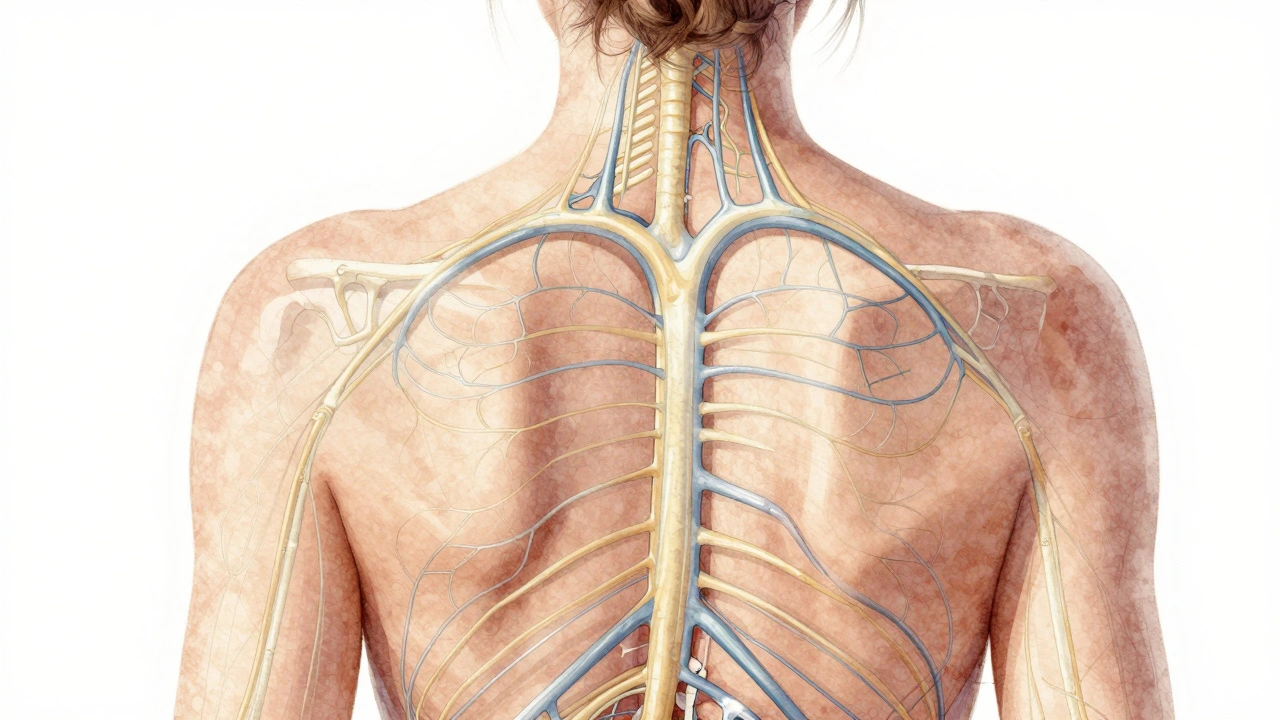
The lymphatic system is your body’s silent plumber. It’s a network of vessels, nodes, and organs that moves fluid, filters out waste, and supports your immune system. Unlike your blood, which gets pumped by your heart, lymph fluid has no engine. It relies on movement-your muscles, breathing, and yes, manual stimulation-to flow.
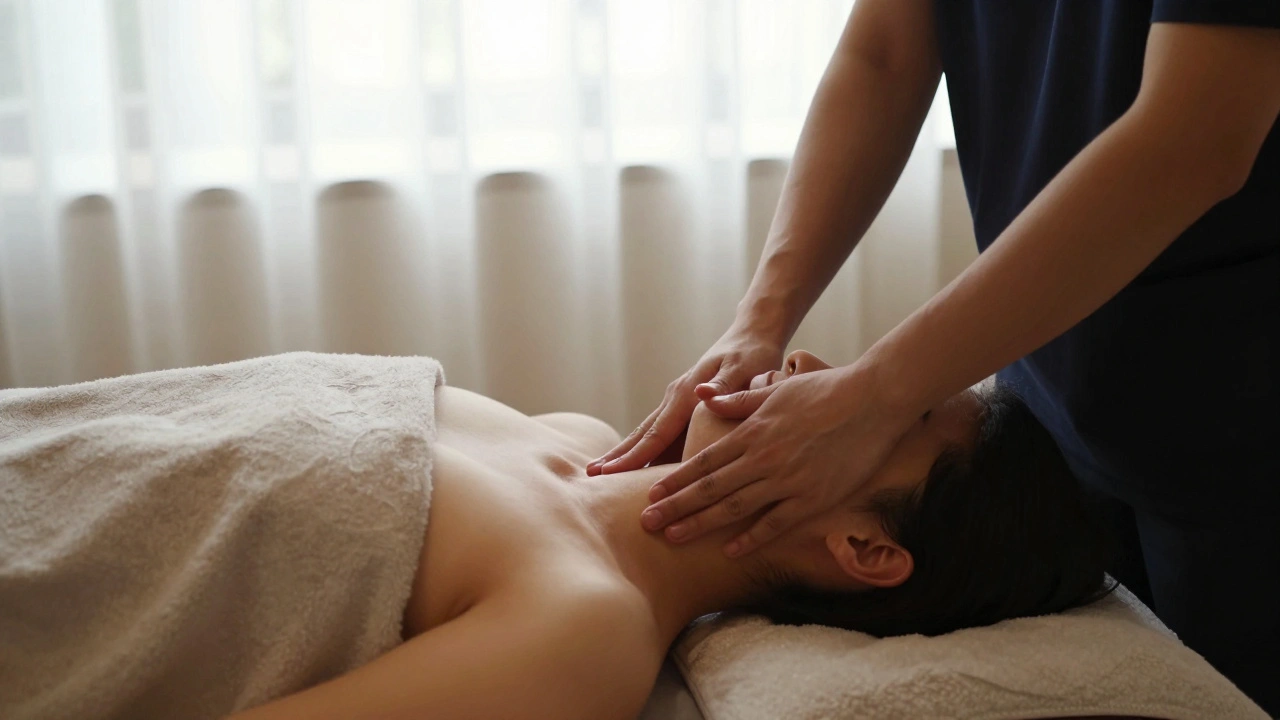
Lymphatic drainage massage is a light-touch technique that follows the natural path of lymph flow. Practitioners use feather-light strokes-about the pressure of a dollar bill resting on your skin-to guide fluid toward lymph nodes. It’s not a deep tissue massage. No digging, no pain, no bruising. Think of it like a soft tide pulling debris out to sea.
This isn’t new-age fluff. It’s been used for decades in hospitals to help patients recover from surgery, manage swelling after injury, or reduce chronic inflammation. In fact, the technique was developed in the 1930s by Danish therapists Emil and Estrid Vodder, who noticed that gentle touch reduced swelling in their patients.
Why Your Body Needs This
Think of your lymphatic system as a trash truck that gets stuck in traffic. When you’re stressed, sedentary, or sick, lymph fluid slows down. That’s when you feel puffy, tired, or prone to colds. Here’s what happens when you give it a nudge:
- Reduces swelling-especially in the face, hands, and feet. Post-surgery patients and pregnant women often see dramatic relief.
- Boosts immunity-lymph nodes filter out viruses and bacteria. When fluid flows better, immune cells move faster.
- Improves skin tone-many report a natural glow. That’s because toxins trapped under the skin get cleared out.
- Reduces brain fog-a 2021 study in the Journal of Clinical Medicine found that lymphatic massage improved cognitive clarity in people with chronic fatigue.
- Supports recovery-athletes use it to cut down muscle soreness and speed up healing after intense workouts.
One client in London, a 42-year-old office worker, started weekly sessions after chronic facial puffiness and frequent colds. After six weeks, she said: “I stopped needing antihistamines. My skin looked clearer. And I actually slept better.”
How It Works: The Science Behind the Touch
Lymphatic drainage doesn’t “pull out toxins” like a magnet. It simply helps your body do what it already does-move fluid efficiently. Here’s the roadmap:
- Strokes begin near the collarbone, where the main lymph ducts drain into the bloodstream.
- Therapists work outward toward extremities, then inward toward the core, following the natural flow.
- Each stroke is slow, rhythmic, and directional-never circular or deep.
- Pressure is so light, you might feel nothing at first. That’s normal.
Unlike deep tissue massage, which breaks up muscle knots, lymphatic massage targets the thin-walled lymph capillaries just under the skin. These capillaries are delicate. Too much pressure crushes them. Too little? Nothing happens. The sweet spot? Less than 1 pound of pressure.
What to Expect During a Session
Picture this: You’re lying on a warm table, softly lit, with calming music. The therapist starts at your neck, using open-palm strokes that glide like butter. They might touch your arms, legs, belly, or even your scalp-depending on your needs.
You won’t feel oil or heat. No essential oils are usually needed (though some places add them for relaxation). The session lasts 45 to 75 minutes. You might feel slightly tired afterward-like after a good nap. That’s your body processing the fluid shift.
Afterward, drink water. Lots of it. Your kidneys will thank you.
Who Benefits Most?
Not everyone needs this-but if you fit any of these, you’ll likely feel a difference:
- You wake up with puffy eyes or swollen ankles
- You’re constantly catching colds or feel run-down
- You’ve had surgery, injury, or radiation therapy
- You sit at a desk all day
- You’re recovering from illness or chronic inflammation
- You want to reduce bloating without dieting
It’s safe for most people-including pregnant women and seniors. But avoid it if you have active infections, heart failure, or untreated cancer.
Types of Lymphatic Drainage Massage
There are two main styles you’ll find in London:
- Manual Lymphatic Drainage (MLD)-the gold standard. Done by certified therapists using precise, rhythmic hand movements. This is what hospitals use.
- Lymphatic Drainage with Devices-some spas use mechanical rollers or vacuum pumps. These can help, but they’re less precise. They’re good for maintenance, not recovery.
Stick with MLD if you’re seeking real results. Ask if the therapist is certified by the Vodder School or Dr. Bruno Chikly-these are the two most respected training programs.
Where to Find Quality Lymphatic Drainage Massage in London
London has dozens of clinics, but not all are equal. Here’s how to find the real deal:
- Check for certification-look for “MLD Certified” on their website or bio.
- Ask if they’ve worked with post-surgical patients or lymphedema clinics.
- Look for therapists who work in health-focused studios, not just luxury spas. Places like The Lymphatic Centre in Notting Hill or The Body Clinic in Chelsea are known for clinical results.
- Read reviews that mention specific outcomes-“My swelling went down,” not “It felt relaxing.”
Most clinics offer a 15-minute consultation before your first session. Use it to ask: “How many lymphatic sessions have you done?” If they hesitate, walk away.
Pricing and Booking
Expect to pay between £70 and £120 per session in London. Here’s the breakdown:
- £70-£90: 60-minute session with a certified therapist. This is the sweet spot for most people.
- £100-£120: 75-90 minutes, often includes additional therapies like cold light or breathing exercises.
- £150+: Luxury spas with extras like aromatherapy or infrared. Often overpriced for lymphatic work.
Many clinics offer packages: 5 sessions for £300-£400. That’s a better deal if you’re tackling chronic swelling or recovery.
Bookings are usually done online. Look for slots in the morning-your lymphatic system is most active before noon.

What to Avoid
Not all “lymphatic massages” are real. Here’s how to dodge scams:
- Don’t let someone use a “laser” or “electrotherapy” device and call it lymphatic drainage. That’s marketing.
- Avoid places that promise “toxin removal” or “fat burning.” Lymphatic massage doesn’t melt fat.
- Steer clear of therapists who use heavy pressure. If it hurts, it’s not lymphatic.
- Don’t expect instant results. It takes 3-5 sessions to notice real changes.
Lymphatic Drainage vs. Swedish Massage
They both feel good. But they do very different things.
| Feature | Lymphatic Drainage Massage | Swedish Massage |
|---|---|---|
| Pressure | Extremely light (1-2 lbs) | Medium to firm |
| Goal | Move lymph fluid, reduce swelling | Relax muscles, improve circulation |
| Best for | Post-surgery, chronic puffiness, immune support | Stress relief, tight muscles, general relaxation |
| Fluid movement | Targets lymphatic vessels | Targets blood vessels |
| Oil used | Rarely | Usually |
| Duration | 45-90 minutes | 60-90 minutes |
Swedish massage is great for tension. Lymphatic drainage is better for healing. You can do both-but if you’re recovering from something, choose lymphatic first.
Frequently Asked Questions
Can lymphatic drainage massage help with weight loss?
No. Lymphatic massage doesn’t burn fat or speed up metabolism. It can reduce temporary water retention, which might make you look slimmer for a day or two. But it won’t change your body composition. If a therapist promises weight loss, they’re misleading you.
How often should I get lymphatic drainage massage?
For general wellness: once a month. For recovery from surgery or injury: 2-3 times a week for 2-4 weeks. For chronic swelling: weekly for 6 weeks, then biweekly. Always listen to your body-if you feel drained, take a break.
Is lymphatic drainage massage painful?
No. It should feel like a soft, soothing glide. If you feel pressure, pinching, or pain, tell the therapist immediately. Real lymphatic drainage is nearly imperceptible. If it hurts, it’s not lymphatic.
Can I do this at home?
Yes, but with limits. You can learn basic strokes using online guides. Focus on your neck, underarms, and inner thighs. But don’t replace professional sessions-especially if you have medical conditions. A therapist knows the exact flow paths. DIY is great for maintenance, not recovery.
Does lymphatic drainage help with cellulite?
It can improve the appearance temporarily by reducing fluid buildup under the skin. But cellulite is caused by fat pushing through connective tissue. Lymphatic massage won’t eliminate it. For lasting results, combine it with movement, hydration, and healthy eating.
Ready to Feel Lighter?
Your body doesn’t need harsh cleanses. It needs a gentle nudge. If you’ve been feeling sluggish, puffy, or just… stuck-lymphatic drainage massage might be the quiet solution you’ve been overlooking. No pills. No diets. Just touch, rhythm, and your body’s own healing power.
Book your first session. Start with one. Then see how you feel a week later. You might be surprised.
Similar Posts

Detox Your Body with the Wonders of Lymphatic Drainage Massage
Lymphatic Drainage Massage: A Comprehensive Approach to Healing
Lymphatic drainage massage gently moves fluid through your body to reduce swelling, speed healing, and boost immunity. Learn how it works, who benefits most, and how to find qualified therapists in London.
Lymphatic Drainage Massage: The Science Behind the Hype
Curious about lymphatic drainage massage? This article unpacks how it really works, the science behind it, and the health perks it promises. You'll find out why so many people swear by this gentle technique for both wellness and beauty goals. Get tips for booking a session, what to expect, and how to stay safe. If you want to know if it's worth trying and what the research actually says, this guide covers all the essentials.
Delilah Friedler
February 22, 2026 AT 23:00Lymphatic drainage massage is one of those therapies that flies under the radar but delivers real, measurable results. I’ve seen it firsthand with post-op patients-swelling reduced noticeably after just two sessions. It’s not magic, but it’s science. The technique is so precise, it’s almost meditative for both therapist and client. No heavy pressure, no oil, just gentle, directional strokes that follow the body’s natural pathways. It’s not about detoxing toxins-it’s about helping your body do what it’s already designed to do. If you’re stuck in a sedentary routine or recovering from anything, this is worth exploring before jumping into expensive supplements or fad cleanses.
And yes, drinking water afterward isn’t just a suggestion-it’s essential. Your kidneys are doing extra work, and they need support.
Sloan Leggett
February 24, 2026 AT 17:38Correction: The Vodder technique was developed in the 1930s by Emil Vodder, a Danish massage therapist, and his wife Estrid, who was a nurse-not 'therapists' plural as a generic term. Also, lymph doesn't 'flow toward lymph nodes'-it flows toward the venous system via the thoracic duct. Terminology matters. And no, the 2021 study didn't prove 'cognitive clarity'-it showed a *trend* in self-reported fatigue reduction with a small sample size. Don't overstate the science. This isn't a miracle cure. It's a supportive modality. Please stop misrepresenting clinical data for marketing.
Alix Dana
February 25, 2026 AT 18:26Bro, I got this done after a knee surgery and holy cow-it changed everything. I was swollen for weeks, couldn’t even wear my shoes, and my doc was like, 'Just wait.' But I tried MLD, and within three sessions, the puffiness was gone. I felt like I could breathe again. Not just my leg-my whole body felt lighter. Like my brain stopped buzzing. I didn’t even know I was tired until I wasn’t.
And yeah, it’s not a fat burner. But if you’re stuck sitting all day, or you wake up looking like a pufferfish, this is the quiet fix you didn’t know you needed. Just find a certified therapist. Don’t go to some spa that uses a vacuum machine and calls it 'detox.' That’s just a fancy massage with buzzwords.
Drink water. Sleep. Be patient. Three sessions minimum. Your body will thank you.
Kimberly Bolletino
February 26, 2026 AT 09:07Why is everyone so obsessed with 'detoxing'? You don't need a massage to 'cleanse' your body. Your liver and kidneys do that 24/7. This is just another way for wellness influencers to sell you something you don't need. I got this once because my friend begged me, and I felt nothing. Zero difference. Your lymphatic system works fine if you move, drink water, and don't eat garbage. Stop buying into this $120/hour placebo. Also, why is everyone in London acting like this is the only way? There are real medical solutions out there, not just spa treatments masquerading as science.
Elina Willett
February 27, 2026 AT 18:15Okay but what if I’m a vampire? Like, literally. I heard lymphatic drainage helps with 'energy vampires' because it clears the aura? I read it on a TikTok that said the lymph nodes are connected to the chakras. Also, can I do it while fasting? I’m doing a 7-day water fast and I think this will amplify the 'purification.' My crystal healer said my spleen is blocked. Should I get a quartz crystal placed on my collarbone during the session? I also want to know if this helps with my ex’s negative energy. He still texts me. Is that a lymphatic issue?
Joanne Chisan
March 1, 2026 AT 17:22This is why America is falling apart. You’re telling people to pay $120 for a massage so they can 'feel lighter'? Meanwhile, people can’t afford insulin or mental health care. This is luxury pseudoscience dressed up as wellness. Real healthcare doesn’t come with lavender candles and Instagram reels. We need real systemic change-not expensive spa rituals for the privileged. If you’re swollen, maybe you need better healthcare access, not a $90 massage. This post is a distraction. Focus on policy, not pressure points.