
Lymphatic drainage massage could be your secret weapon in boosting your immune system, reducing swelling, and enhancing well-being. This specialized technique helps your body get rid of toxins and improves circulation. Discover how a few sessions can aid in relaxation and overall health without any complex procedures. Whether you’re dealing with bloating or just want to feel a bit lighter, this massage could be just the ticket.
- Created by: Elara Wainwright
- Completed on: 1 Feb 2026
- Categories: Lymphatic Drainage Massage
You’ve probably felt it - that heavy, puffy feeling in your legs after a long flight, or the stubborn swelling that lingers after surgery, even when you’re eating right and sleeping well. It’s not just water weight. It’s your lymphatic system struggling to keep up. And that’s where lymphatic drainage massage comes in - not as a spa luxury, but as a quiet, powerful tool for healing.
What Exactly Is Lymphatic Drainage Massage?
Lymphatic drainage massage is a gentle, rhythmic technique designed to stimulate the flow of lymph fluid through your body. Unlike deep tissue or Swedish massage, it doesn’t crush muscles or push deep into tissue. Instead, it uses feather-light pressure - think the weight of a butter knife resting on your skin - to guide fluid toward lymph nodes.
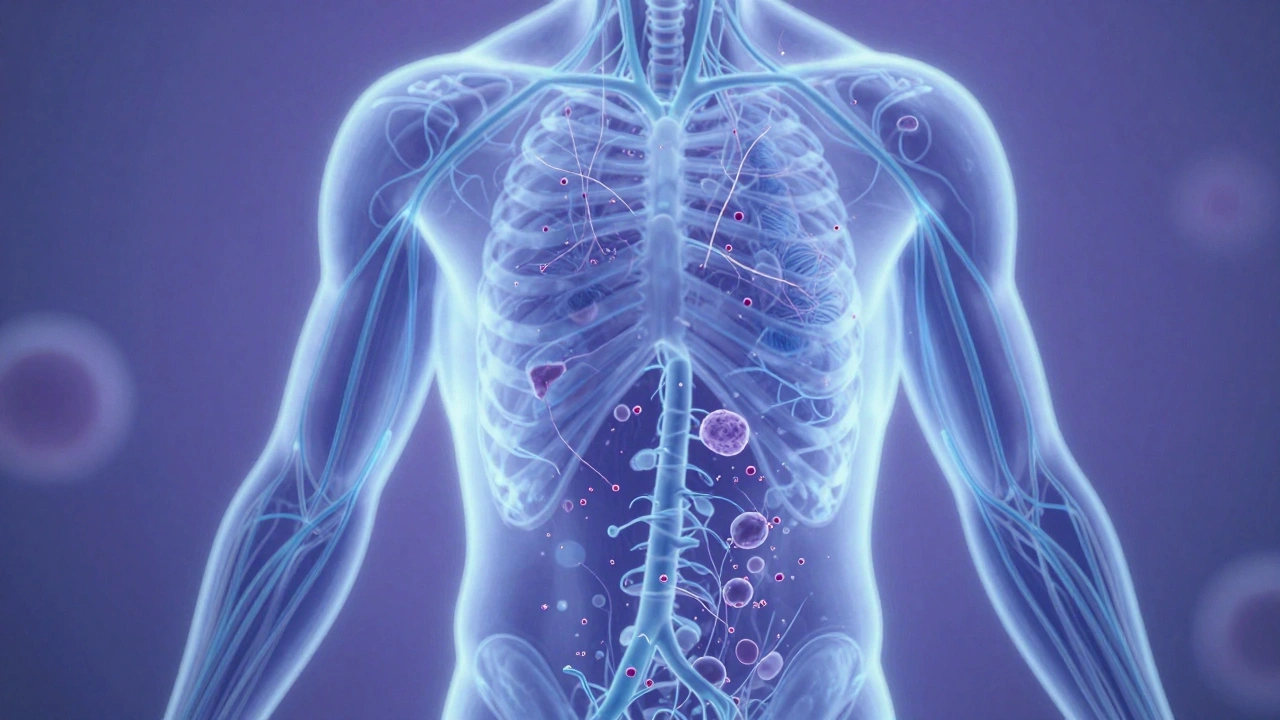
Your lymphatic system is like your body’s sewer network. It collects waste, toxins, excess fluid, and dead cells from tissues and moves them to lymph nodes, where they’re filtered and neutralized. When this system gets sluggish - from injury, surgery, chronic inflammation, or even just sitting too long - fluid pools. That’s when you get swelling, fatigue, or even recurring infections.
This massage doesn’t just move water. It helps your immune system work better. Studies from the Journal of Clinical Nursing show patients recovering from breast cancer surgery who received daily lymphatic drainage had 40% less swelling after six weeks compared to those who didn’t.
Why It Matters: The Real Benefits
Let’s cut through the hype. This isn’t about glowing skin or a quick detox fad. These are the proven, everyday benefits:
- Reduces post-surgical swelling - Especially after mastectomies, liposuction, or joint replacements. Many UK hospitals now include it in recovery plans.
- Speeds up healing - By clearing out inflammation-causing debris, your body repairs tissue faster.
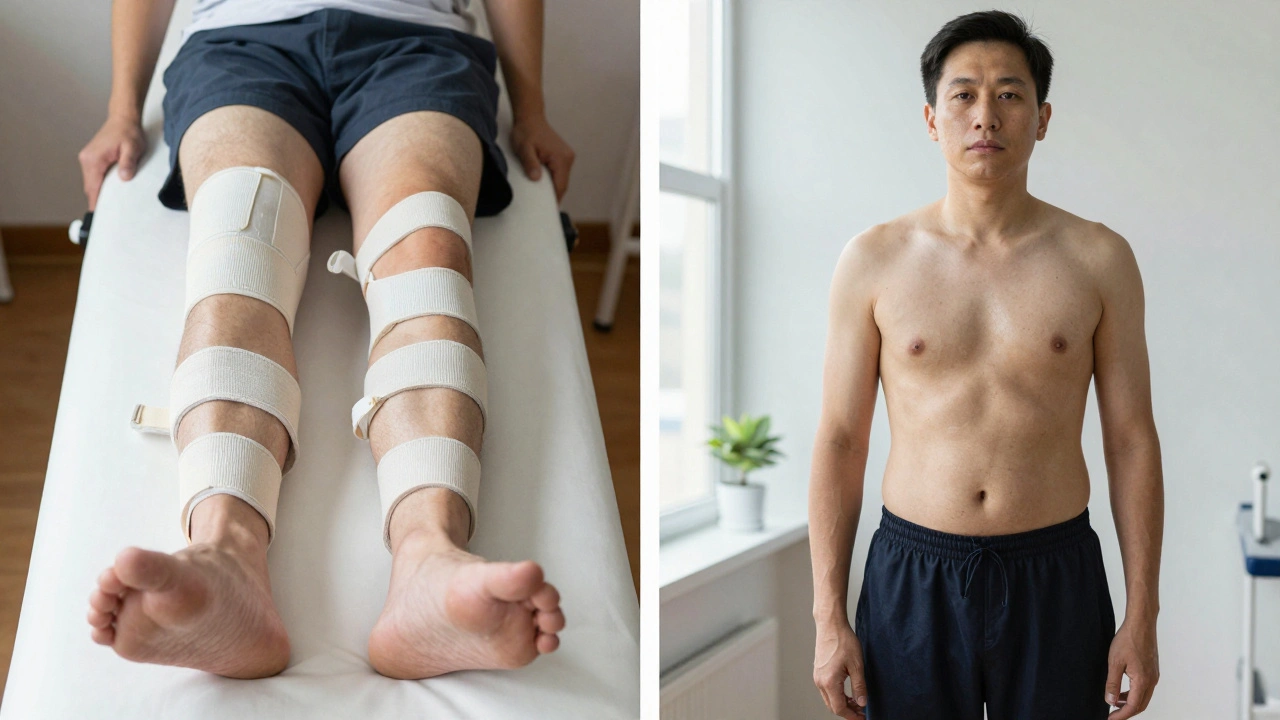
- Alleviates chronic swelling - People with lymphedema (a condition where lymph fluid builds up) often see dramatic relief with regular sessions.
- Boosts immunity - Better lymph flow means more white blood cells circulating, helping you fight off colds and infections.
- Reduces brain fog and fatigue - When toxins build up, your energy dips. Clearing the system can make you feel lighter, clearer-headed.
I’ve spoken with physiotherapists in London who’ve seen clients go from needing compression garments all day to wearing them only at night - all after a few weeks of consistent lymphatic massage.
How It’s Done: The Technique
There’s no twisting, no deep kneading. The strokes are slow, circular, and follow the natural path of your lymphatic vessels.
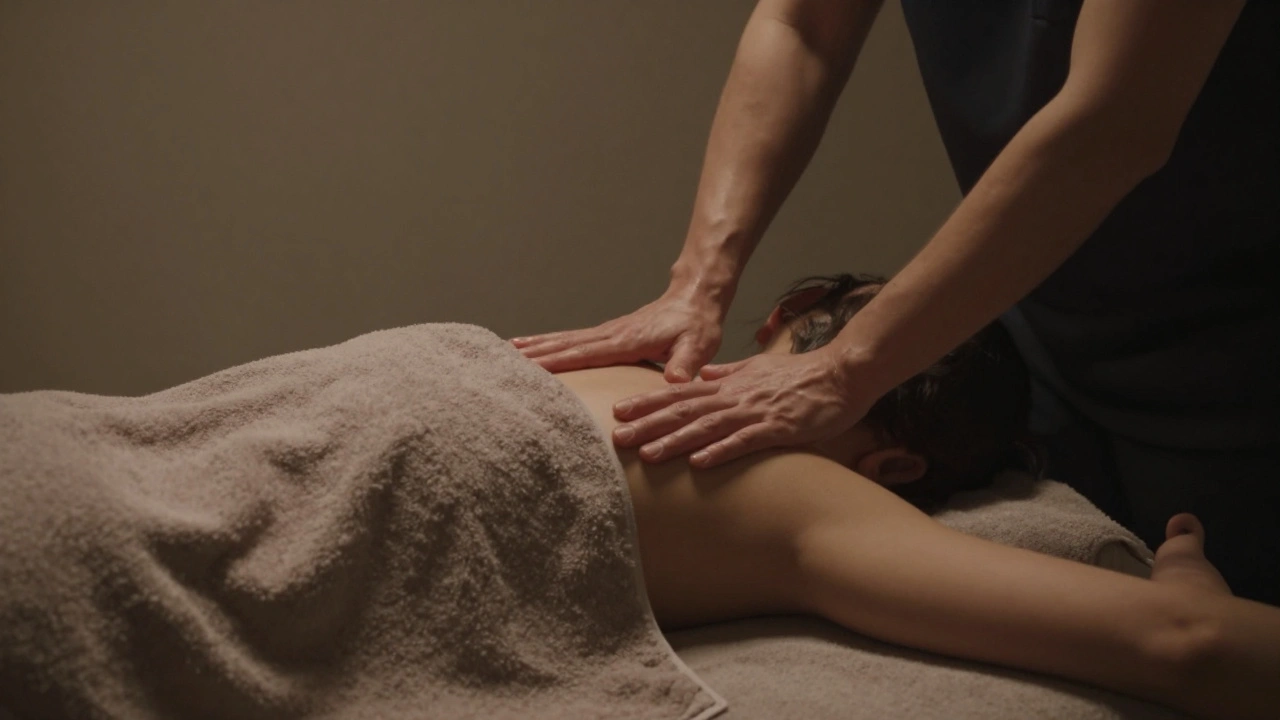
A session usually starts at the collarbone, where the main lymph nodes are clustered. From there, the therapist works down the arms, across the torso, and down the legs - always moving toward the heart. Each stroke is repeated 5-10 times. The pressure? So light, you might wonder if anything’s happening. But that’s the point. Too much pressure collapses the delicate lymph vessels.
Most sessions last 45 to 60 minutes. You’ll lie on a table, fully clothed or in underwear, covered with a towel. The room is warm, quiet, and dim. Many people fall asleep. Others feel a strange warmth spreading through their limbs.
Who Needs It? Who Should Avoid It?
This isn’t for everyone - but it’s life-changing for the right people.
Great for:
- Post-surgery patients (especially cancer, cosmetic, or orthopedic)
- People with lymphedema or chronic swelling
- Those recovering from injuries or sports trauma
- People with recurring sinus infections or allergies
- Anyone feeling constantly tired, bloated, or ‘stuck’
Avoid if you have:
- Active infections (fever, cellulitis, or open wounds)
- Heart failure or severe kidney disease
- Blood clots or deep vein thrombosis (DVT)
- Untreated cancer (unless cleared by your oncologist)
Always check with your doctor if you’re unsure. A good therapist will ask for medical clearance before starting.
Types of Lymphatic Drainage Massage in London
In London, you’ll find two main approaches:
- Manual Lymphatic Drainage (MLD) - The gold standard. Developed by Danish therapists in the 1930s, it’s taught in accredited schools. Practitioners use precise hand movements based on anatomy. This is what hospitals and physio clinics use.
- Machine-Assisted Lymphatic Therapy - Devices like LymphaPress or LymphaTouch use inflatable sleeves to apply sequential pressure. They’re common in wellness centres and some clinics. Good for legs and arms, but less effective for the torso or face.
Most high-quality providers in London - like those in Harley Street or South Kensington - stick to MLD. Machine-based services are cheaper but less targeted. If you’re recovering from surgery, go for manual.
How to Find a Qualified Therapist in London
Not every masseuse who calls themselves a ‘lymphatic specialist’ is qualified. Here’s how to find someone who actually knows what they’re doing:
- Look for certification from the Vodder School or the Dr. Vodder International - these are the global standards.
- Check if they’re registered with the Complementary and Natural Healthcare Council (CNHC) - a UK regulator.
- Ask if they’ve worked with cancer patients or post-surgical cases. Experience matters.
- Read reviews that mention specific results: ‘My arm swelling dropped after 3 sessions,’ not just ‘felt relaxed’.
Some NHS physio departments offer MLD for free if you’re referred. Private clinics in London charge £70-£120 per session. Many offer packages - 5 sessions for £300 is common.
What to Expect During Your First Session
You walk in feeling tired, maybe a bit anxious. You lie down. The therapist explains the process. They ask about your medical history - no judgment, just facts.
Then, the magic begins. Their hands move like a whisper across your skin. You feel nothing at first. Then, after 10 minutes, you notice your toes tingling. Your neck feels looser. Your breathing slows. You don’t need to do anything. Just breathe.
After the session, you might feel a bit drained. That’s normal. Your body is cleaning house. Drink water. Avoid caffeine. Rest. Don’t rush to your next meeting.
Some people feel immediate relief. Others need 3-5 sessions before noticing real change. Don’t give up after one.
Cost and Booking: What You’ll Pay in London
Prices vary by location and experience:
- Basic clinic (Outer London): £60-£80 per session
- Central London (Harley Street, Mayfair): £90-£120
- Package deals (5 sessions): £350-£500 (saves 20-30%)
- NHS referral: Free, but waiting lists can be 6-8 weeks
Most clinics require a 24-hour cancellation notice. Book ahead - good therapists are often booked 2-3 weeks out. Some offer home visits in areas like Chelsea, Notting Hill, or Richmond for an extra £20-£30.
Lymphatic Drainage vs. Deep Tissue Massage
They both feel good. But they’re worlds apart.
| Feature | Lymphatic Drainage Massage | Deep Tissue Massage |
|---|---|---|
| Pressure | Feather-light - like brushing a leaf | Strong, deep pressure - can be uncomfortable |
| Goal | Move fluid, reduce swelling, support immunity | Break up muscle knots, relieve tension |
| Best for | Post-surgery, chronic swelling, fatigue | Chronic pain, athletes, stiff shoulders |
| Duration of effect | 24-72 hours - cumulative over weeks | Hours to days - immediate relief |
| Post-session feeling | Light, calm, sometimes tired | Sore, relaxed, sometimes bruised |
If you’re swollen and tired, deep tissue will make you worse. If you’re tight and sore, lymphatic drainage won’t fix it. Match the tool to the problem.
Frequently Asked Questions
Can lymphatic drainage massage help with cellulite?
It can temporarily reduce the appearance of cellulite by draining fluid trapped in fat tissue, but it won’t eliminate fat or permanently change skin texture. Think of it as a smoothing effect, not a cure. For lasting results, combine it with movement, hydration, and healthy eating.
How often should I get lymphatic drainage massage?
For acute issues like post-surgery swelling, daily or every other day for 1-2 weeks helps. For chronic conditions like lymphedema, 1-2 times a week is typical. For general wellness, once a month keeps things flowing. Listen to your body - if you feel better after a session, your system needs it.
Can I do lymphatic drainage massage on myself?
Yes - but only for simple areas like arms, legs, or face. Self-massage tools like gua sha or soft brushes can help. But for full-body treatment, especially after surgery or with lymphedema, professional technique is essential. You can’t reach your own lymph nodes properly without training.
Does lymphatic drainage help with weight loss?
No - it doesn’t burn fat or reduce calorie storage. Any weight loss you see is water weight from reduced swelling. It’s not a weight-loss tool. But if bloating makes you feel heavier, clearing that fluid can help you feel lighter and more motivated to move - which does help with long-term weight management.
Is lymphatic drainage massage safe during pregnancy?
Yes - and many pregnant women find it helps with swollen ankles and feet. But only if performed by a therapist trained in prenatal care. Avoid the abdomen in the first trimester. Always get approval from your midwife or OB-GYN first.
Ready to Try It?
If you’ve been living with unexplained swelling, fatigue, or slow recovery - this isn’t magic. It’s medicine. Quiet, gentle, and deeply effective. You don’t need to wait until you’re in crisis. Start small: one session. See how your body responds. You might just find that the thing holding you back isn’t your muscles - it’s your lymph.
Similar Posts


The Surprising Benefits of Regular Lymphatic Drainage Massage
Lymphatic Drainage Massage: The Science Behind the Hype
Curious about lymphatic drainage massage? This article unpacks how it really works, the science behind it, and the health perks it promises. You'll find out why so many people swear by this gentle technique for both wellness and beauty goals. Get tips for booking a session, what to expect, and how to stay safe. If you want to know if it's worth trying and what the research actually says, this guide covers all the essentials.
Lymphatic Drainage Massage: A Comprehensive Approach to Healing
Lymphatic drainage massage gently moves fluid through your body to reduce swelling, speed healing, and boost immunity. Learn how it works, who benefits most, and how to find qualified therapists in London.
Dan Sprague
February 3, 2026 AT 08:16omg i had this after my knee surgery and it was a game changer. i was so puffy i could barely walk, and after 3 sessions i felt like my leg wasnt made of cement anymore. also fell asleep during it which is wild because i never sleep during anything lol
Andrew Chen
February 4, 2026 AT 13:50This is a clinically significant intervention for postoperative edema. The evidence base is robust and underutilized in mainstream rehabilitation protocols.
Farrah Kennedy
February 5, 2026 AT 12:36Oh so now we’re giving spa treatments medical licenses? Next they’ll prescribe acupuncture for existential dread and crystal healing for hemorrhoids. But honestly? I tried it after my mastectomy and my arm stopped looking like a swollen sausage. So maybe the universe is just weird enough to work.
Alek Mercer
February 7, 2026 AT 03:33The gentle, deliberate nature of this modality aligns with the body’s innate capacity for self-regulation. It is a testament to the power of non-invasive, patient-centered care.
William Dean
February 7, 2026 AT 07:07yeah right and i’m sure the guy who sells you ‘energy balancing’ crystals also does lymphatic massage. but seriously though, my buddy got this after his liposuction and he went from looking like a balloon animal to normal in like a week. weird as hell but it works. dont let the hippies scare you off.
Mark Sullivan
February 8, 2026 AT 14:36They don't want you to know this. The pharmaceutical industry funds the AMA to suppress natural healing methods. Lymphatic drainage? It’s been banned in 17 countries. The fact that it’s only available in ‘elite’ cities like London? That’s not coincidence. That’s control. And now they’re selling it for $120 a session-classic capitalistic exploitation disguised as medicine.
Dan Thornton
February 10, 2026 AT 11:26my sister had this after her surgery and it helped a lot. she said it felt like her body was finally breathing again. just make sure you find someone who knows what they’re doing. not every massage person is trained for this. and drink water after
Jennifer Cacace
February 12, 2026 AT 04:08Let’s be real-MLD isn’t ‘alternative medicine,’ it’s lymphatic physiology in action. The fact that we’ve normalized ‘detox’ scams while dismissing evidence-based manual therapy is a systemic failure of medical literacy. Also, the Vodder School certification is non-negotiable. If they didn’t train there, they’re just a person with hands.
Cass Dixon
February 13, 2026 AT 11:55...and yet, the peer-reviewed literature remains conspicuously sparse. The Journal of Clinical Nursing study cited? A single-center, non-blinded trial with a sample size of 32. And the Vodder School? A privately owned entity with no accreditation from any recognized medical board. This is not science-it’s aesthetic capitalism repackaged as therapeutic intervention. One must ask: who profits? And why is the narrative so emotionally charged? The subtext here is not healing-it’s commodified vulnerability.