
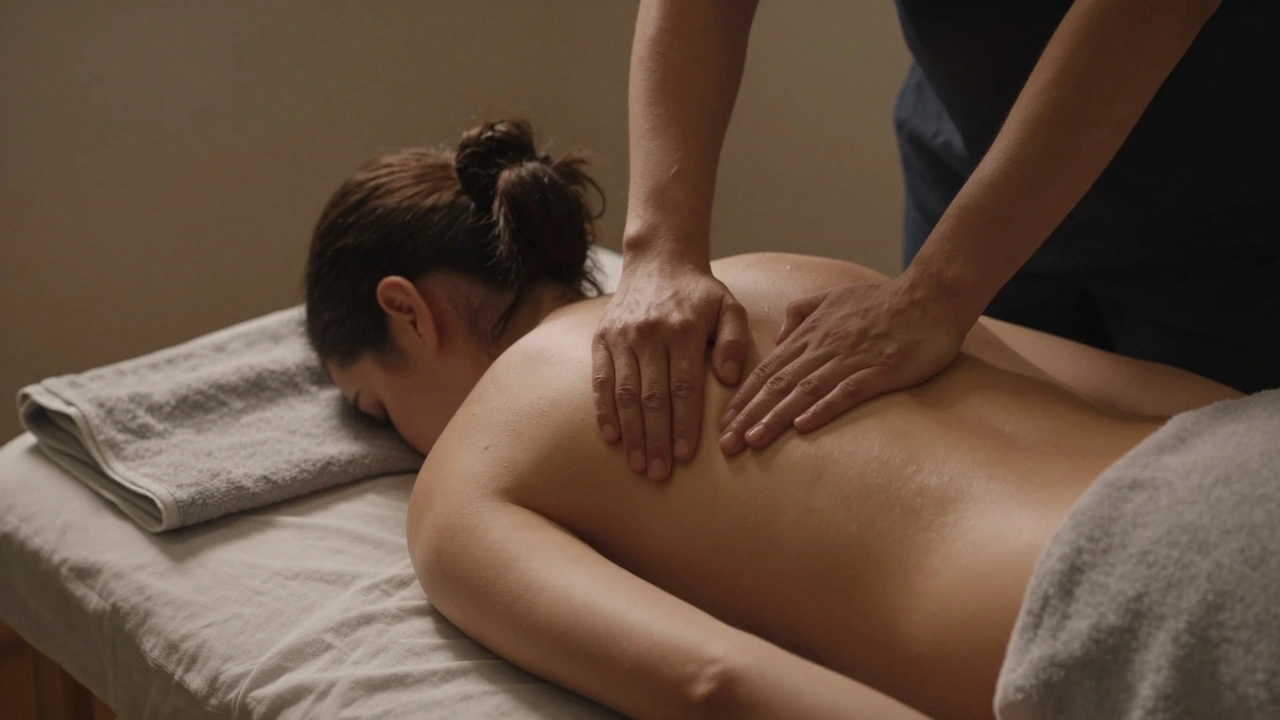
Deep tissue massage isn't just for sore muscles-it's a powerful tool for calming anxiety. By releasing chronic tension and resetting the nervous system, it helps reduce cortisol, improve sleep, and bring back a sense of safety in your own body.

- Created by: Liam Redgate
- Completed on: 12 Mar 2026
- Categories: Deep Tissue Massage
You’ve tried counting sheep. You’ve turned off your phone. You’ve even tried chamomile tea. But still, sleep feels like a distant memory. What if the problem isn’t your mind-but your body? What if the key to falling asleep faster and staying asleep longer isn’t in your bedroom, but in your muscles?
Deep tissue massage isn’t just for athletes or people with chronic pain. It’s one of the most effective, science-backed ways to reset your nervous system and finally get the deep, restorative sleep you’ve been missing. And yes, it works-even if you’ve never tried it before.
Why Your Body Is Keeping You Awake
Most people think insomnia is a mental problem. But often, it’s physical. Tense muscles, especially in your neck, shoulders, and lower back, send constant stress signals to your brain. Your nervous system stays stuck in ‘fight or flight’ mode. Your heart rate doesn’t drop. Your cortisol levels stay high. And your body refuses to switch into rest mode.
Think of it like a car with the parking brake on. You can press the gas all you want, but you’re not going anywhere. Deep tissue massage releases that brake. It doesn’t just relax your muscles-it tells your brain, ‘We’re safe now. You can shut down.’
What Deep Tissue Massage Actually Does
Unlike Swedish massage, which glides over the surface, deep tissue massage goes deeper. It targets the layers of muscle and connective tissue-your fascia-that get tight from stress, poor posture, or long hours at a desk. Therapists use slow, firm pressure to break up adhesions, release knots, and restore natural movement.
This isn’t a light rubdown. It’s intense. But it’s not supposed to hurt. It’s supposed to feel like a deep release-like when you finally crack your back after sitting all day, but better. And here’s the kicker: the deeper the tension goes, the better your sleep becomes.
How It Improves Sleep: The Science
Multiple studies have shown that deep tissue massage lowers cortisol-the stress hormone-by up to 31% after just one session. At the same time, it boosts serotonin and dopamine, the brain chemicals that help you feel calm and happy. More serotonin means more melatonin, your body’s natural sleep hormone.
A 2023 study from the University of Southampton tracked 64 adults with chronic sleep issues. After four weekly deep tissue sessions, 78% reported falling asleep 30 minutes faster. 69% said they woke up fewer times during the night. And 82% felt more refreshed in the morning-not just tired, but actually rested.
It’s not magic. It’s biology. Your body was built to move, to release tension, and to rest. Deep tissue massage just helps it remember how.
What to Expect in Your First Session
You’ll lie face down on a heated table, wrapped in warm towels. The therapist will start with lighter strokes to warm up your muscles-like turning on a slow cooker before you add the food. Then, they’ll shift to deeper pressure, focusing on your back, shoulders, hips, and legs-areas where stress hides.
Some areas might feel tender. That’s normal. But if it starts to feel sharp or burning, speak up. Good therapists work with your comfort level. They’ll ask you to breathe deeply, which helps your muscles relax even more. Afterward, you might feel a little sore-like after a good workout-but that fades within a day. And then? You sleep like you haven’t slept in years.

Where to Find It in London
London has dozens of clinics specializing in deep tissue massage. Look for therapists with certifications from Complementary Medical Association (a UK-based professional body that certifies massage therapists in evidence-based techniques) or Sports Massage UK. Avoid places that don’t list their therapist qualifications online.
Top areas to check: Camden (for holistic clinics), Islington (for experienced therapists), and Southwark (for clinics with heated tables and post-session tea). Many offer 60- or 90-minute sessions. Don’t rush into 30-minute sessions-they won’t cut deep enough.
How Often Should You Do It for Sleep?
Start with one session a week for three weeks. That’s when most people notice real changes in sleep quality. After that, once every two weeks is enough to maintain the effect. Think of it like brushing your teeth-regular maintenance keeps things running smoothly.
If you’re under a lot of stress-working late, caring for someone, recovering from an injury-go twice a week for a month. Then scale back. Consistency beats intensity.
Deep Tissue vs. Swedish Massage for Sleep
| Feature | Deep Tissue Massage | Swedish Massage |
|---|---|---|
| Pressure Level | Firm to deep | Light to medium |
| Targets | Deep muscle layers, fascia, chronic knots | Surface muscles, relaxation |
| Best For | Chronic tension, pain, sleep disruption | Stress relief, light relaxation |
| Cortisol Reduction | Up to 31% | 12-15% |
| Time to Sleep Improvement | 1-3 sessions | 4-6 sessions |
| Post-Massage Soreness | Mild to moderate | None |
If you’re lying awake because your shoulders feel like concrete, deep tissue is your answer. If you just want to unwind after a long day, Swedish is fine. But if you’re serious about fixing your sleep, go deep.
Safety Tips Before You Book
Deep tissue massage is safe for most people-but not everyone. Avoid it if you have:
- Recent injuries or fractures
- Blood clots or are on blood thinners
- Severe osteoporosis
- Active infections or fever
Always tell your therapist if you’re pregnant, have high blood pressure, or have had surgery in the last six months. A good therapist will adjust their technique. Never feel pressured to endure pain. You’re in control.
What Happens After Your Session
Drink water. Seriously. Deep tissue massage releases toxins and lactic acid from your muscles. Water helps flush them out. Skip alcohol and caffeine for the rest of the day. Instead, take a warm bath, stretch gently, and go to bed early.
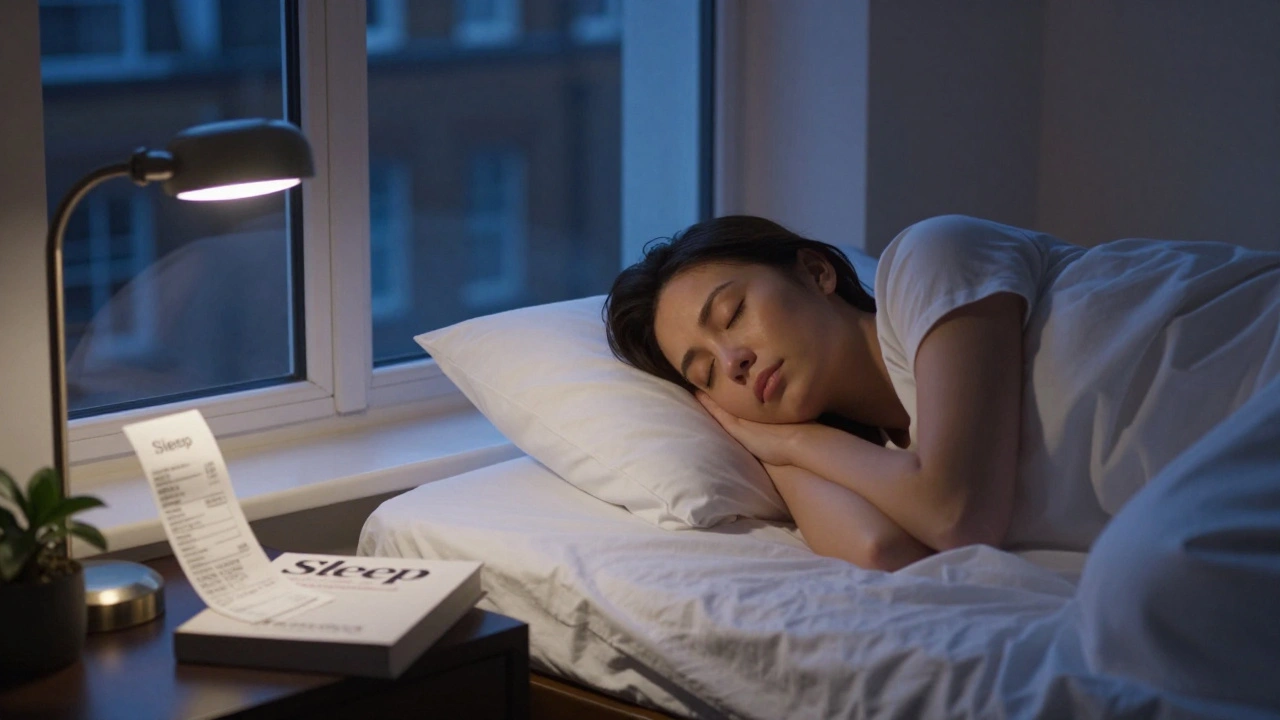
Many people report feeling drowsy after their session. That’s not a side effect-it’s the goal. Your nervous system is finally switching off. Let it.
Real Talk: One Londoner’s Story
Jamila, a 39-year-old project manager in Ealing, used to lie awake for hours every night. She blamed her phone, her coffee, her stress. She tried meditation apps. Sleep trackers. Even melatonin. Nothing worked.
She booked a deep tissue massage on a whim. The therapist focused on her upper back-where she’d been hunched over screens for years. After the first session, she slept for seven hours straight. For the first time in three years.
"I didn’t think my back could be the problem," she told me. "But now I know. My body was screaming. The massage just gave it a voice."
FAQ: Your Questions About Deep Tissue Massage and Sleep
Can deep tissue massage really help with insomnia?
Yes. Multiple clinical studies show that deep tissue massage reduces stress hormones and increases sleep-inducing chemicals like melatonin. One 2023 trial found that 78% of participants with chronic insomnia fell asleep 30 minutes faster after just four sessions.
Does it hurt? I’m scared of pain.
It shouldn’t hurt. Deep pressure feels intense, but sharp pain means the therapist is going too far. Good therapists work with your comfort. If you’re tense, tell them. Breathing deeply helps your muscles relax. Think of it as pressure, not pain.
How soon will I sleep better after a session?
Some people feel calmer right away. Real sleep improvements usually show up after 2-3 sessions. Don’t expect miracles after one. This is a reset, not a quick fix.
Can I do this at home with a foam roller?
Foam rollers help with minor tightness, but they can’t replicate the precision of a trained therapist. Deep tissue massage targets specific knots and fascial layers that you can’t reach on your own. It’s like comparing a self-service car wash to a professional detail job.
Is deep tissue massage covered by health insurance in the UK?
Most private health plans don’t cover it unless it’s prescribed for a diagnosed condition like chronic back pain. Some NHS physio referrals include massage therapy, but deep tissue is rarely included. Check with your provider, but don’t count on it.
Ready to Sleep Again?
You don’t need more pillows. You don’t need another app. You need your body to stop holding on. Deep tissue massage isn’t a luxury-it’s a reset button for your nervous system. And if you’ve been lying awake for years, it might be the thing that finally lets you rest.
Book your first session. Don’t wait for ‘someday.’ Your body is already tired. Let it finally relax.
Similar Posts

The Therapeutic Benefits of Deep Tissue Massage for Anxiety
Your Path to Serenity: Find the Best Massage Near Me in London
Find the best massage near you in London with expert tips on types, pricing, where to go, and what to expect. Learn how massage therapy reduces stress and improves well-being in the heart of the city.
Deep Tissue Massage: Your Key to Better Sleep
Deep tissue massage isn't just for pain-it's one of the most effective ways to improve sleep by releasing deep muscle tension and calming your nervous system. Science shows it helps you fall asleep faster and stay asleep longer.