
Discover how hot stone massage melts stress and restores calm in London. Learn how it works, where to find the best sessions, what to expect, and why it’s more effective than other massages for deep relaxation.
- Created by: Liam Redgate
- Completed on: 31 Dec 2025
- Categories: Hot Stone Massage
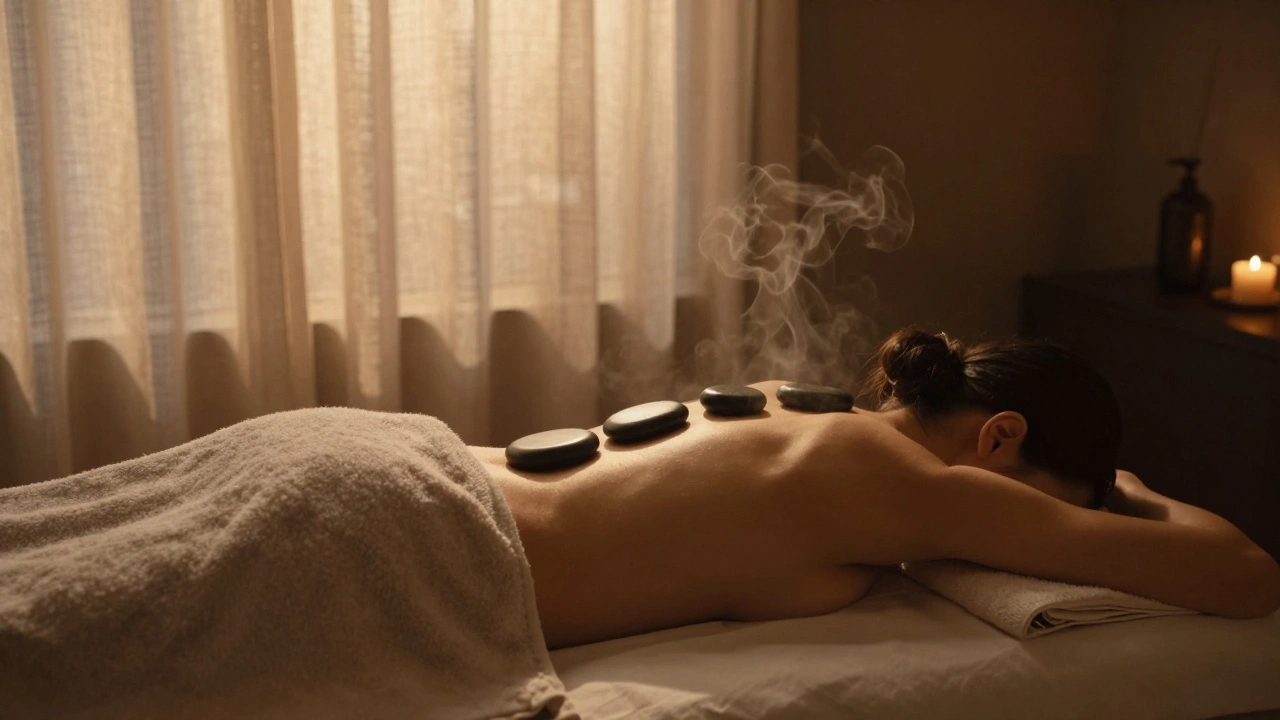
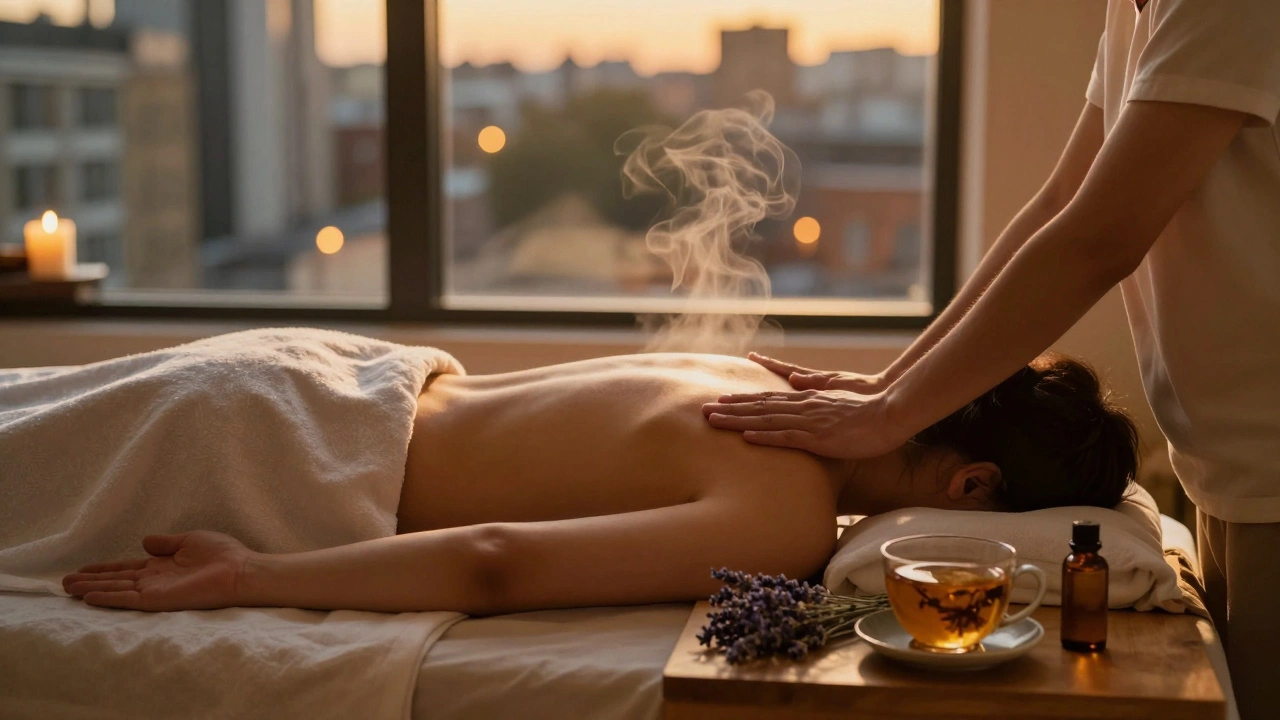
You’ve probably seen it on Instagram: a serene spa room, soft lighting, smooth stones resting on a warm towel, and someone lying there, completely still, eyes closed, breathing slow like they’ve slipped into another world. That’s hot stone massage-and it’s not just a trend. It’s become one of the most talked-about treatments in London spas right now. But why? What’s really going on under those heated basalt stones?
What Exactly Is Hot Stone Massage?
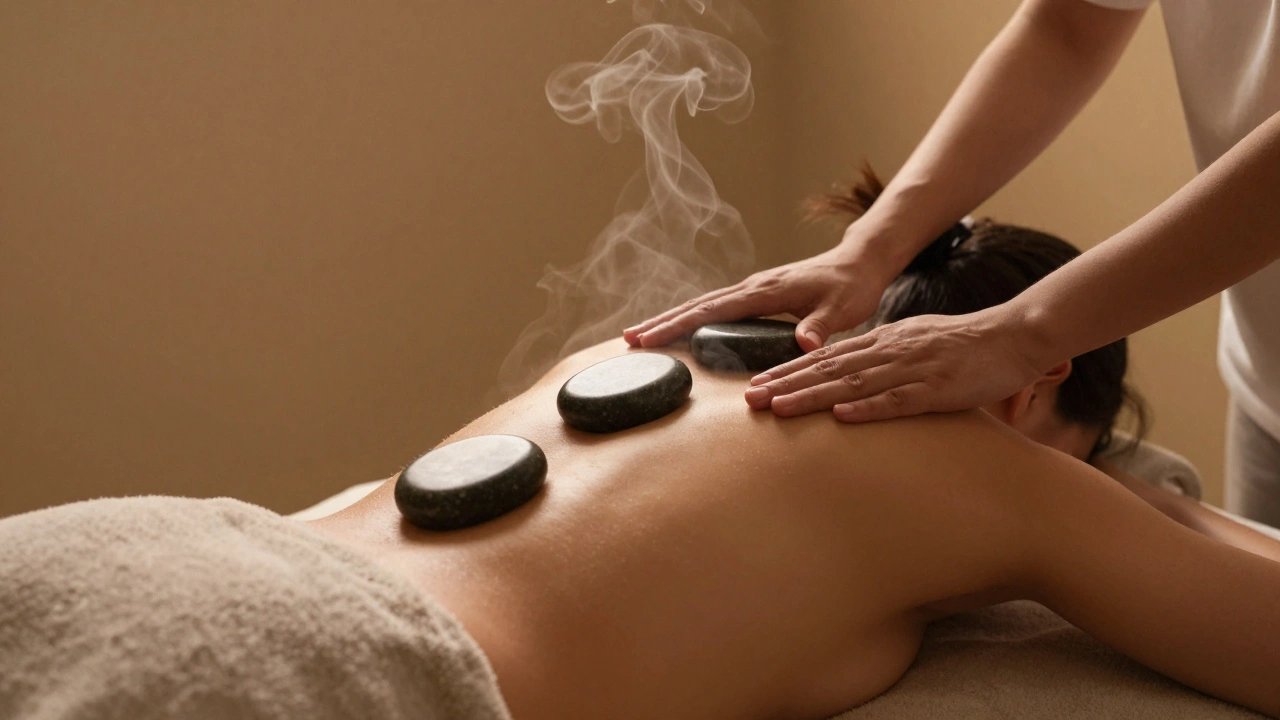
Hot stone massage is a type of bodywork where smooth, heated stones-usually basalt, a volcanic rock that holds heat well-are placed on key points of your body and used by the therapist to massage your muscles. The stones are warmed to about 45-55°C (113-131°F), just warm enough to relax without burning. They’re often placed along your spine, on your palms, between your toes, or over tight areas like your shoulders.
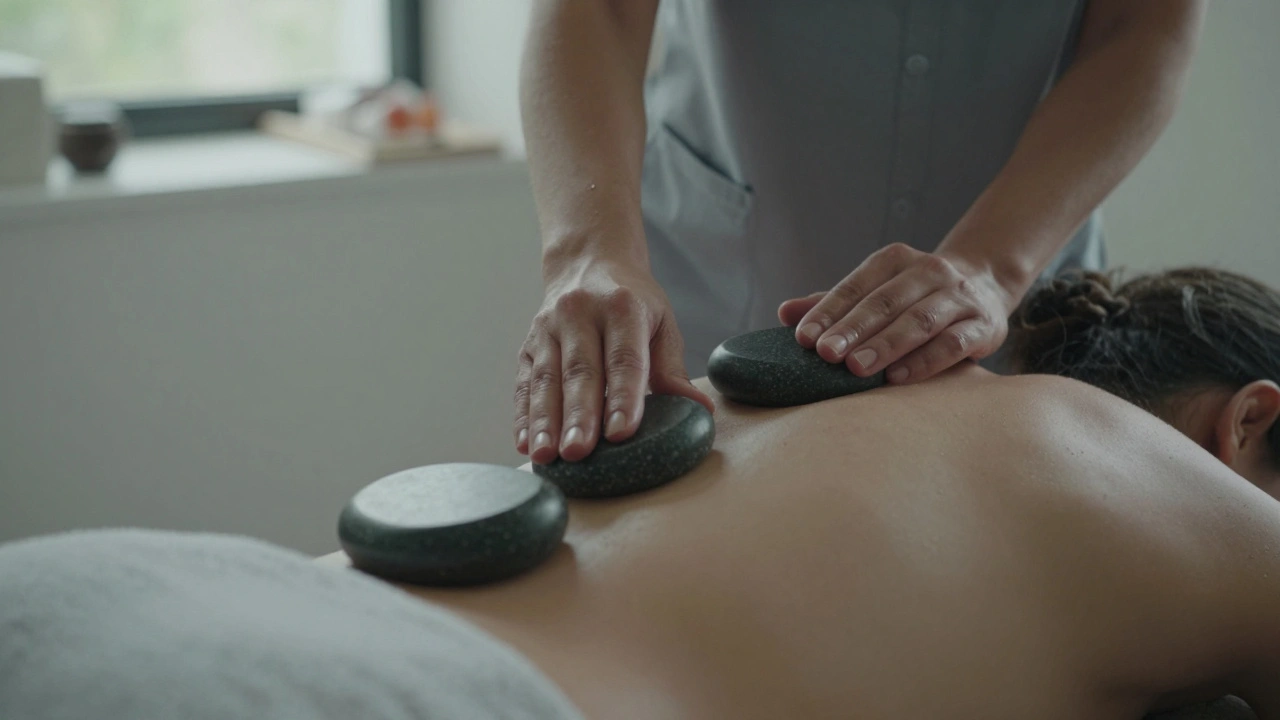
It’s not just about the heat, though. The weight and smoothness of the stones let the therapist apply deeper pressure without using their hands as much. That means less strain on their wrists and more consistent, flowing strokes. The heat sinks into your muscles, loosening knots before the massage even begins. Think of it like warming up peanut butter before spreading it-easier, smoother, and way more effective.
Why It’s So Popular Right Now
Londoners are exhausted. Between long commutes, back-to-back Zoom calls, and the constant buzz of city life, tension isn’t just in the shoulders-it’s in the bones. People aren’t just looking for a quick rubdown anymore. They want something that resets their nervous system. Hot stone massage does that.
Unlike Swedish or deep tissue, which focus mostly on muscle manipulation, hot stone massage targets your parasympathetic nervous system-the part that says, “It’s safe to relax now.” The heat triggers a cascade of physiological responses: blood vessels widen, heart rate slows, cortisol drops. A 2023 study from the Journal of Bodywork and Movement Therapies found that participants who received hot stone massage reported a 37% greater reduction in stress hormones compared to those who got a standard massage.
And it’s not just about stress. People with chronic pain, fibromyalgia, or arthritis are finding real relief. One client in Notting Hill told me, “After three sessions, I stopped needing my painkillers on weekends.” That’s not magic. It’s physics and biology working together.
What Happens During a Session?
Let’s walk through it. You’ll lie on a heated table, covered with towels. The therapist starts by placing warm stones on your back-along your spine, on your sacrum, maybe even on your chest. Then they’ll use the stones like extensions of their hands, gliding them over your legs, arms, and feet. You’ll feel the heat seep in, slow and deep.
At some point, they might swap the warm stones for cooler ones-usually marble-on your forehead or between your shoulder blades. That contrast helps calm inflammation and improves circulation. It sounds odd, but it feels like your body is being gently rocked between warmth and coolness, like a tide pulling in and out.
The whole session lasts 60 to 90 minutes. Most people say they drift off halfway through. When you wake up, you’re not just relaxed-you feel lighter. Like your body forgot how to hold tension.
Benefits You Can Actually Feel
- Deep muscle relaxation - Heat penetrates deeper than hands alone, melting away knots in the trapezius, glutes, and lower back.
- Improved circulation - Warmth dilates blood vessels, bringing more oxygen and nutrients to tired tissues.
- Reduced stress and anxiety - The combination of heat, rhythm, and stillness activates the body’s natural calm response.
- Pain relief for chronic conditions - Studies show consistent use helps ease symptoms of arthritis, fibromyalgia, and muscle spasms.
- Better sleep - Many clients report sleeping deeper for nights after a session. One woman in Camden said she hadn’t slept through the night in years-until she started hot stone therapy.
It’s not a cure-all. But if you’re carrying around stress like a backpack you can’t take off, this might be the first thing that makes it feel lighter.
Hot Stone vs. Swedish Massage: What’s the Difference?
| Feature | Hot Stone Massage | Swedish Massage |
|---|---|---|
| Primary Tool | Heated basalt stones | Therapist’s hands only |
| Heat Used | Yes-core part of treatment | No |
| Pressure Level | Medium to deep, but feels effortless | Light to medium, rhythmic |
| Best For | Chronic tension, stress, pain, deep relaxation | General relaxation, light muscle soreness |
| Session Length | 60-90 minutes | 60 minutes |
| After Effects | Deep calm, sleepy, sometimes emotional release | Refreshed, lightly relaxed |
Swedish massage is like a gentle wave. Hot stone is like sinking into a warm bath after a long, cold day. One soothes. The other transforms.
Where to Find It in London
You don’t need to go to Mayfair to get a good hot stone massage. Some of the best sessions happen in quiet corners of Clapham, Peckham, or even in a converted flat in Hackney. Look for spas that specialize in holistic therapy or therapeutic massage. Avoid places that bundle it with “romantic packages” or sell it as a luxury add-on-it’s not about the rose petals, it’s about the stones.
Check reviews for mentions of “deep heat,” “therapist used stones on my lower back,” or “I fell asleep.” Those are real signs of quality. Also, ask if they use basalt stones (not just any rocks) and if they heat them in a dedicated water bath (not a microwave). That’s non-negotiable for safety.
Top-rated spots in London right now include The Stone & Salt Spa in Notting Hill, Wellness Collective in Shoreditch, and Harmonia in Primrose Hill-all known for their stone temperature control and therapist training.
How Much Does It Cost?
In London, expect to pay between £75 and £120 for a 60-minute session. Longer sessions (90 minutes) range from £110 to £160. That’s more than a Swedish massage, but you’re paying for the stones, the prep time, and the extra skill required. It’s not a luxury-it’s a therapeutic investment.
Some clinics offer package deals: three sessions for £200, for example. If you’re dealing with chronic pain or high stress, that’s often the smarter route. One-off sessions give you a taste. A series gives you results.
Safety First: Who Should Avoid It?
Hot stone massage is safe for most people-but not everyone. Avoid it if you:
- Have open wounds, burns, or recent surgery in the area
- Have diabetes with poor circulation or numbness (you might not feel if a stone is too hot)
- Are pregnant (unless your therapist is specially trained in prenatal hot stone)
- Have a fever, infection, or active inflammation
- Take blood thinners (heat can increase circulation too much)
Always tell your therapist about any health conditions. A good therapist will adjust the temperature, skip certain areas, or suggest an alternative. No one should ever feel pain during a hot stone session. If you do, speak up. The stones should feel comforting, not scalding.
What to Expect After Your Session
You’ll probably feel floaty. Maybe a little sleepy. That’s normal. Your body’s just processing the deep relaxation. Drink water-lots of it. The heat mobilizes toxins, and hydration helps flush them out.
Some people feel emotionally released. Tears, laughter, sudden calm-it happens. That’s not weakness. It’s your nervous system finally letting go.
Don’t rush into a meeting or a workout afterward. Give yourself an hour to ease back in. Sit quietly. Listen to music. Walk slowly. Let the effect settle.
Frequently Asked Questions
Is hot stone massage painful?
No, it shouldn’t be. The heat relaxes muscles before pressure is applied, so the massage feels deeper but not sharp or intense. If you feel pain, tell your therapist immediately. The stones should feel soothing, not burning.
Can I get hot stone massage if I’m pregnant?
Yes-but only with a therapist trained in prenatal hot stone. Heat must be kept below 40°C, and stones should never be placed on the abdomen or lower back. Many clinics avoid it entirely during the first trimester. Always check with your doctor first.
How often should I get a hot stone massage?
For stress relief: once a month. For chronic pain or tight muscles: every 2-3 weeks. Once you feel the difference, you’ll want to make it a regular part of your self-care. Think of it like brushing your teeth-but for your nervous system.
Do I need to undress completely?
No. You’ll be covered with towels the whole time. Only the area being worked on is exposed. Most people keep their underwear on. Your comfort comes first.
Are the stones cleaned properly?
Yes, in reputable spas. Stones are washed in hot, soapy water after each use and often sterilized with UV light or medical-grade disinfectant. Ask if you’re unsure-good spas won’t mind showing you their cleaning routine.
Can I do hot stone massage at home?
You can buy stones and a heater online, but it’s not recommended. Temperature control is critical. Too hot, and you risk burns. Too cold, and it won’t work. Plus, proper technique matters. A trained therapist knows where to place stones and how to move them safely. Save home use for simple warm compresses-not full therapy.
Ready to Try It?
If you’ve been feeling stiff, drained, or just… stuck-hot stone massage might be the reset you didn’t know you needed. It’s not flashy. No glitter, no champagne, no Instagram filters. Just warm stones, quiet hands, and the slow, deep release of years of tension. London’s busy. But you deserve to feel like you’re not carrying it all anymore.
Book your session. Lie down. Let the heat do the work.
Similar Posts
From Stress to Serenity: The Magic of Hot Stone Massage in London
Transform Your Stress into Bliss: The Power of Body Massage in London
Discover how body massage in London can melt away stress, lower cortisol, and restore calm. Learn the best types, where to find trusted therapists, what to expect, and how it compares to other relaxation methods.
Hot Stone Massage: Soothe Your Body, Calm Your Mind
Hot stone massage uses heated basalt stones to melt deep muscle tension and trigger profound relaxation. In London, skilled therapists offer this therapy to reduce stress, improve circulation, and promote restful sleep-no vacation required.
Lauren Gibson
January 1, 2026 AT 09:43After my first hot stone session, I cried in the parking lot. Not because it hurt, but because I realized I’d forgotten what it felt like to be truly relaxed. No phone, no to-do list, just warmth and stillness. My body finally let go.
Now I do it every month. It’s not a luxury-it’s my reset button.
Sydney Ferrell
January 2, 2026 AT 11:3237% reduction in cortisol? That’s a study with a tiny sample size and no control for placebo effect. Also, basalt stones aren’t magic-they’re just rocks that hold heat. The real benefit is the 90 minutes of forced stillness in a quiet room, which anyone could replicate with a heating pad and a Netflix documentary.
Stop marketing this as science. It’s expensive relaxation.
Erin Carroll
January 3, 2026 AT 17:09This is exactly why society is collapsing. People are paying over £100 to lie down and let someone else touch them because they’ve given up on managing their own stress. No one teaches resilience anymore. You don’t need heated stones-you need discipline. Get up. Move. Breathe. Stop outsourcing your peace to a spa.
And don’t get me started on the ‘emotional release’ nonsense. Tears aren’t therapy.
Margaret Berlin
January 4, 2026 AT 09:54YES. I was skeptical too until I tried it after my dad passed. I didn’t know I was holding so much grief in my shoulders. The stones didn’t fix anything-but they let me feel it without fighting it. That’s worth every penny.
For anyone scared to try it: go. Don’t overthink it. Just lie down. Let the heat do what your mind won’t.
Maxwell Falls
January 4, 2026 AT 12:15They use basalt stones? Funny how they never mention the minerals in those rocks can interfere with EMF shielding. And who says the water bath is clean? Spas reuse the same tubs. I bet they’re all loaded with heavy metals and government tracking chips.
Also, why do they always put stones on your spine? That’s where the nervous system connects to the central network. Coincidence? I think not.
Don’t let them warm you up. They’re prepping you for something else.
Melissa Cirone
January 6, 2026 AT 05:34It’s interesting how the article frames this as a breakthrough when in reality, heated stone therapy dates back to ancient Chinese, Native American, and Ayurvedic practices-just repackaged with London pricing and Instagram aesthetics.
And yet, the core mechanism-thermal therapy combined with rhythmic pressure-isn’t new. What’s new is the willingness of people to pay premium prices for what’s essentially a glorified warm compress with a side of mindfulness.
Also, the part about ‘emotional release’? That’s just the parasympathetic nervous system kicking in after prolonged stress, which any deep breathing or meditation could replicate for free.
But hey, if you need rose petals and ambient rain sounds to feel safe enough to relax, who am I to judge? Just don’t call it science. Call it self-care capitalism. And maybe ask if the therapist actually knows where the sacrum is before you hand over £120.