
Aromatherapy massage combines skilled touch with calming essential oils to reduce stress, improve sleep, and ease muscle tension. Discover how this holistic therapy delivers real wellness benefits backed by science and real user experiences.
- Created by: Elara Wainwright
- Completed on: 3 Jan 2026
- Categories: Aromatherapy Massage
You know that feeling when your mind is racing, your shoulders are tight, and no amount of coffee can fix it? What if the answer wasn’t another pill or a 3-hour spa day-but something simple, natural, and deeply calming? That’s where aromatherapy massage comes in. It’s not just a fancy spa treat. It’s a quiet, powerful tool that’s been used for thousands of years to bring body and mind back into balance.
What Exactly Is Aromatherapy Massage?
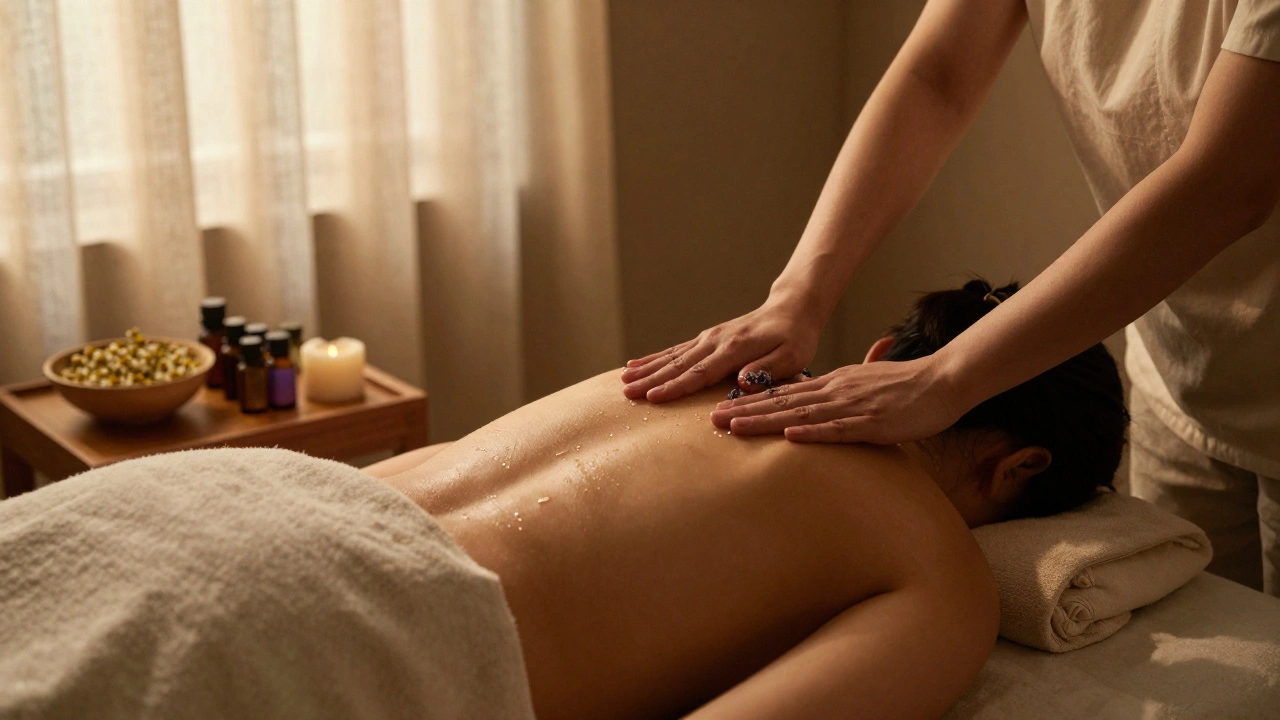
Aromatherapy massage is exactly what it sounds like: massage therapy combined with essential oils derived from plants. These aren’t synthetic fragrances. These are concentrated extracts from flowers, leaves, bark, and citrus peels-each with its own chemical profile and effect on your nervous system.
Think of it like this: lavender oil doesn’t just smell nice. It contains linalool and linalyl acetate, compounds proven in studies to lower cortisol-the main stress hormone. When you inhale that scent during a massage, your brain picks it up through the olfactory system, which connects directly to the limbic system-the part that controls emotions and memory. Meanwhile, your skin absorbs the oil’s molecules, which can reduce inflammation, ease muscle tension, and even improve circulation.
This isn’t magic. It’s science. And it’s been used in ancient Egypt, China, and India for centuries. Today, modern research backs it up. A 2023 meta-analysis in the Journal of Alternative and Complementary Medicine found that aromatherapy massage significantly reduced anxiety levels in participants across 12 clinical trials-more than massage alone.
Why It Works for Holistic Healing
Holistic healing means treating the whole person-not just the symptom. If you’re dealing with chronic pain, insomnia, or burnout, popping a pill might numb the pain, but it doesn’t fix the root. Aromatherapy massage does.
Here’s how it connects the dots:
- Physical: The massage strokes release muscle knots, improve lymph flow, and reduce inflammation.
- Emotional: Scents like bergamot and frankincense trigger calm, reduce panic, and lift low mood.
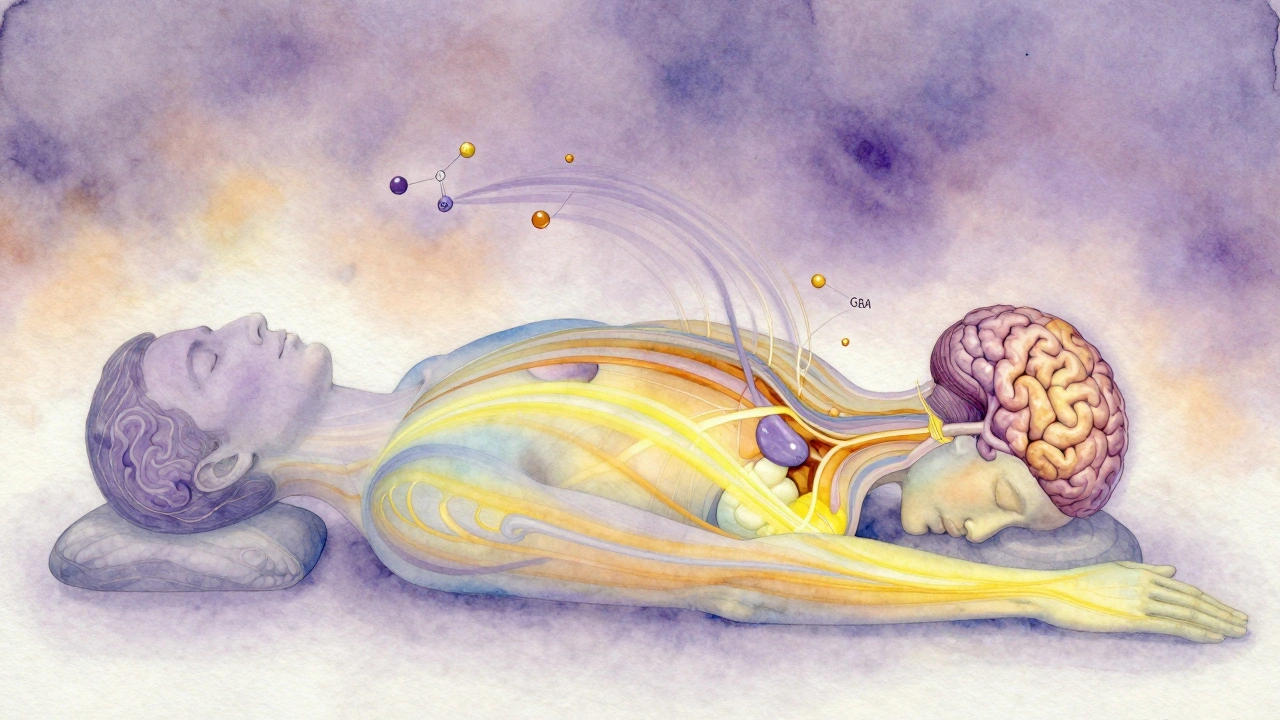
- Neurological: Oils like chamomile and ylang-ylang help regulate neurotransmitters like serotonin and GABA.
- Energy: Many people report feeling “lighter” afterward-not just relaxed, but mentally clearer.
One client I worked with-a nurse working 12-hour shifts-said she started aromatherapy massage after three months of insomnia. Within four weeks, she was sleeping through the night. Not because of pills. Because the lavender and cedarwood oil helped her nervous system switch from ‘fight-or-flight’ to ‘rest-and-digest.’
Common Essential Oils Used (And What They Do)
Not all oils are created equal. Here are the most common ones used in professional aromatherapy massage, and what they’re actually good for:
- Lavender: Calms anxiety, improves sleep, reduces headaches. The most researched oil in aromatherapy.
- Bergamot: Uplifts mood, eases depression, reduces cortisol. Great for burnout.
- Peppermint: Relieves muscle pain, boosts alertness, soothes nausea. Use sparingly-it’s strong.
- Frankincense: Grounding, reduces inflammation, supports deep breathing. Often used in meditation practices.
- Chamomile (Roman): Soothes irritation, calms nervous system, helps with PMS and menopause symptoms.
- Eucalyptus: Clears sinuses, reduces respiratory congestion, good for post-workout recovery.
- Ylang-Ylang: Balances emotions, lowers blood pressure, helps with heart palpitations.
Good practitioners blend these based on your needs. No one-size-fits-all. A person with chronic back pain might get a mix of peppermint, eucalyptus, and ginger. Someone with anxiety might get lavender, bergamot, and frankincense.
What Happens During a Session?
It’s not just lying there while someone rubs oil on you. A good session is structured, intentional, and personalized.
- Consultation: You’ll talk about your health, stress levels, sleep, and any injuries. No judgment. Just facts.
- Oil Selection: Based on your needs, the therapist picks 2-4 essential oils. They’ll explain why.
- Base Oil Mix: Essential oils are never applied straight. They’re diluted in a carrier oil like sweet almond, jojoba, or grapeseed. This prevents skin irritation and helps absorption.
- The Massage: Usually a full-body session, 60-90 minutes. Techniques vary-Swedish strokes for relaxation, deeper work for tension, or gentle rocking for nervous system reset.
- Aftercare: You’ll be offered water, maybe a warm herbal tea. And a quiet space to sit for 10 minutes. This isn’t optional. Your body needs time to integrate the experience.
Most people leave feeling like they’ve been gently reset. Not drugged. Not numb. Just… lighter.
Who Can Benefit?
You don’t need to be stressed out or sick to benefit. But here’s who tends to see the biggest changes:
- People with chronic stress: Daily cortisol overload? This helps reset your nervous system.
- Insomnia sufferers: Lavender and chamomile oils have been shown to improve sleep quality by up to 35% in clinical settings.
- Chronic pain patients: Especially fibromyalgia, arthritis, or lower back pain. The combo of touch + anti-inflammatory oils works better than either alone.
- Postpartum mothers: Helps with mood swings, fatigue, and bonding. Safe when done with proper dilution.
- People in recovery: From addiction, trauma, or illness. The non-verbal, sensory nature of the massage can be deeply healing.
It’s not a cure-all. But for people tired of chasing quick fixes, it’s a return to something real: touch, scent, presence.
Aromatherapy Massage vs. Regular Massage
Here’s the difference, plain and simple:
| Aspect | Aromatherapy Massage | Regular Massage |
|---|---|---|
| Primary Goal | Physical + emotional + energetic balance | Relieve muscle tension, improve mobility |
| Key Tool | Essential oils + massage | Massage only |
| Effect on Mind | Reduces anxiety, lifts mood, improves focus | Mild relaxation |
| Duration of Effects | Up to 72 hours (due to scent memory and physiological changes) | Usually 24-48 hours |
| Best For | Stress, insomnia, emotional fatigue | Physical soreness, sports recovery |
Think of it this way: regular massage fixes your car’s engine. Aromatherapy massage fixes your car’s engine-and gives you a calming playlist, fresh air, and a quiet drive home.
How to Find a Good Practitioner
Not every massage therapist knows aromatherapy. Here’s how to find someone who does it right:
- Look for certifications: Level 3 Diploma in Aromatherapy or NAHA (National Association for Holistic Aromatherapy) training.
- Ask if they use 100% pure, therapeutic-grade essential oils. If they say “fragrance oil,” walk away.
- Check if they dilute oils properly. Safe dilution is usually 1-3% for adults (2-6 drops per ounce of carrier oil).
- Do they ask about your health history? If they skip this, they’re not being safe.
- Read reviews that mention how you felt afterward-not just “nice massage.” Look for words like “calmer,” “clearer head,” “slept better.”
Don’t be afraid to ask questions. A good practitioner will welcome them.
Safety First: Who Should Avoid It?
Aromatherapy massage is safe for most people-but not everyone.
- Pregnant women: Avoid oils like rosemary, clary sage, and juniper. Stick to lavender, orange, and chamomile-only with a practitioner trained in prenatal aromatherapy.
- Children under 6: Use only mild oils in very low dilution (0.5-1%). Never use peppermint or eucalyptus on young kids.
- People with epilepsy: Avoid rosemary, fennel, and sage oils-they can trigger seizures in sensitive individuals.
- People with asthma: Strong scents can trigger attacks. Ask for a scent-free room or use oils with low volatility like sandalwood.
- Broken skin or allergies: Always do a patch test 24 hours before your session.
Always tell your therapist about any medical condition, medication, or sensitivity. No shame. This is about your safety.
What to Expect After Your First Session
Some people feel amazing right away. Others feel a little tired-or even emotional. That’s normal.
Your body is releasing stored tension, both physical and emotional. It’s like detoxing. You might:
- Feel sleepy or deeply relaxed for hours
- Have vivid dreams that night
- Feel a bit emotional-tears, laughter, quietness
- Notice your breathing is deeper the next day
Drink water. Rest. Don’t rush into a stressful meeting right after. Give yourself space to integrate.
Most people feel the full effect by day three. That’s when the real shift happens-not just in how you feel, but in how you respond to stress.
Final Thought: It’s Not a Luxury. It’s a Lifeline.
We live in a world that tells us to push harder, sleep less, grind more. But our bodies weren’t built for that. They were built to rest, to be touched, to smell the earth, to breathe deeply.
Aromatherapy massage isn’t about spending money on luxury. It’s about reclaiming your biology. It’s about giving your nervous system what it’s been begging for: safety, stillness, and scent.
You don’t need to do it every week. But if you’re tired of treating symptoms and want to heal from the inside out? This might be the quietest, most powerful step you take all year.
Can I do aromatherapy massage at home?
Yes, but with limits. You can use a carrier oil with a few drops of lavender or chamomile for self-massage on your neck, shoulders, or feet. But professional sessions offer deeper work, proper dilution, and personalized blends you can’t replicate alone. Home use is great for maintenance, not replacement.
How often should I get an aromatherapy massage?
For stress or insomnia, once a week for 3-4 weeks helps reset your system. After that, every 2-4 weeks for maintenance works well. If you’re dealing with chronic pain or recovery, weekly sessions for 6-8 weeks are common. Listen to your body-if you feel drained, take a break.
Do essential oils really work, or is it just placebo?
It’s not placebo. Over 1,000 peer-reviewed studies show essential oils have real physiological effects. Lavender reduces heart rate and cortisol. Peppermint increases alertness. Frankincense lowers inflammation markers. The massage part adds physical benefits. Together, they’re more than the sum of their parts.
Can aromatherapy massage help with depression?
It’s not a replacement for therapy or medication, but it’s a powerful complement. Bergamot and ylang-ylang have been shown in clinical trials to reduce symptoms of mild to moderate depression. The combination of touch, scent, and quiet time helps regulate mood-related brain chemicals. Many therapists work alongside mental health professionals for this reason.
Are all essential oils the same?
No. There’s a huge difference between therapeutic-grade oils and cheap fragrance oils. Look for brands that list the Latin name (e.g., Lavandula angustifolia), country of origin, and extraction method (steam-distilled). Avoid oils labeled “perfume” or “aroma.” If it’s under $10 for 10ml, it’s not pure.
Similar Posts
Why Aromatherapy Massage is the Wellness Boost You Need
The Role of Aromatherapy Massage in Holistic Healing
Aromatherapy massage combines touch and plant-based oils to reduce stress, improve sleep, and support emotional balance. Backed by science and used for centuries, it’s a natural way to heal the whole person-not just the symptoms.
Aromatherapy Massage: Boost Your Immune System Naturally
Discover how aromatherapy massage can lend your immune system a helping hand. This article breaks down how scented oils and expert hands work together to support your health. You’ll get clear tips, learn the science, and find out what to expect from a session. Whether you’re curious or ready to book, you’ll walk away knowing exactly why this self-care ritual is more than just pampering. Real talk, real benefits—no fluff.
Shayla O'Neil
January 5, 2026 AT 08:41There's something sacred about letting scent and touch work together like that. We’ve been trained to think healing means intervention-pills, procedures, fixes-but this is just… presence. The body remembers what the mind forgets. Lavender doesn’t just calm you-it reminds you that you’re safe enough to breathe. And that’s rare these days.
It’s not about fixing what’s broken. It’s about returning to a rhythm your nervous system knew before the world started screaming.
I’ve sat in silence after a session and cried for no reason. Not because I was sad. Because I finally allowed myself to feel. That’s the real magic.
Anil Sharma
January 7, 2026 AT 03:09really interesting post i never thought about how oils affect the brain directly like that. i used peppermint oil once after a long drive and my headache just vanished like magic. not placebo i swear. also the part about dilution is super important-i saw someone put pure eucalyptus on their skin once and it was a disaster. burns like hell. always dilute folks.
Sandie Corr
January 8, 2026 AT 20:33OMG YES 🌿 I did this after my mom passed and I was just… hollow. The therapist used frankincense and lavender. I didn’t cry during the massage. I cried three hours later while making tea. Like my body finally got permission to grieve. I’ve been going every 3 weeks since. It’s not a luxury. It’s my emotional first aid kit. 💆♀️✨
Stephen Bodio
January 9, 2026 AT 03:17This is one of those things that sounds too simple to work-but it does. I used to think massage was just for athletes or rich people with too much time. Then I tried it after a rough year of work. Didn’t expect to feel like I’d been gently unclenched from the inside. The oils? Yeah, they’re the secret sauce. I started using a drop of bergamot on my wrists before meetings now. My coworkers think I smell nice. I know I’m resetting my stress dial.
Also, totally agree about finding a certified pro. I had one guy who used ‘aromatherapy’ oil that smelled like a candle shop. Big mistake. Pure oils make all the difference.
Natasha Ray
January 9, 2026 AT 05:03They’re using essential oils because they want to control your mind without you knowing. Lavender lowers cortisol? Sure. But what about the hidden chemicals in those ‘therapeutic grade’ bottles? Big Pharma doesn’t want you healing naturally. That’s why they fund studies that say it works-so you’ll keep spending money on expensive oils instead of questioning why you’re so stressed in the first place. They’re selling you a bandaid wrapped in a pretty scent. Wake up. The real cure is turning off your phone and sleeping without alarms. That’s what they don’t want you to know