
Discover how hot stone massage uses heated basalt stones to melt away tension, reduce stress, and restore balance to your body and mind. A proven therapy for chronic pain, anxiety, and fatigue.
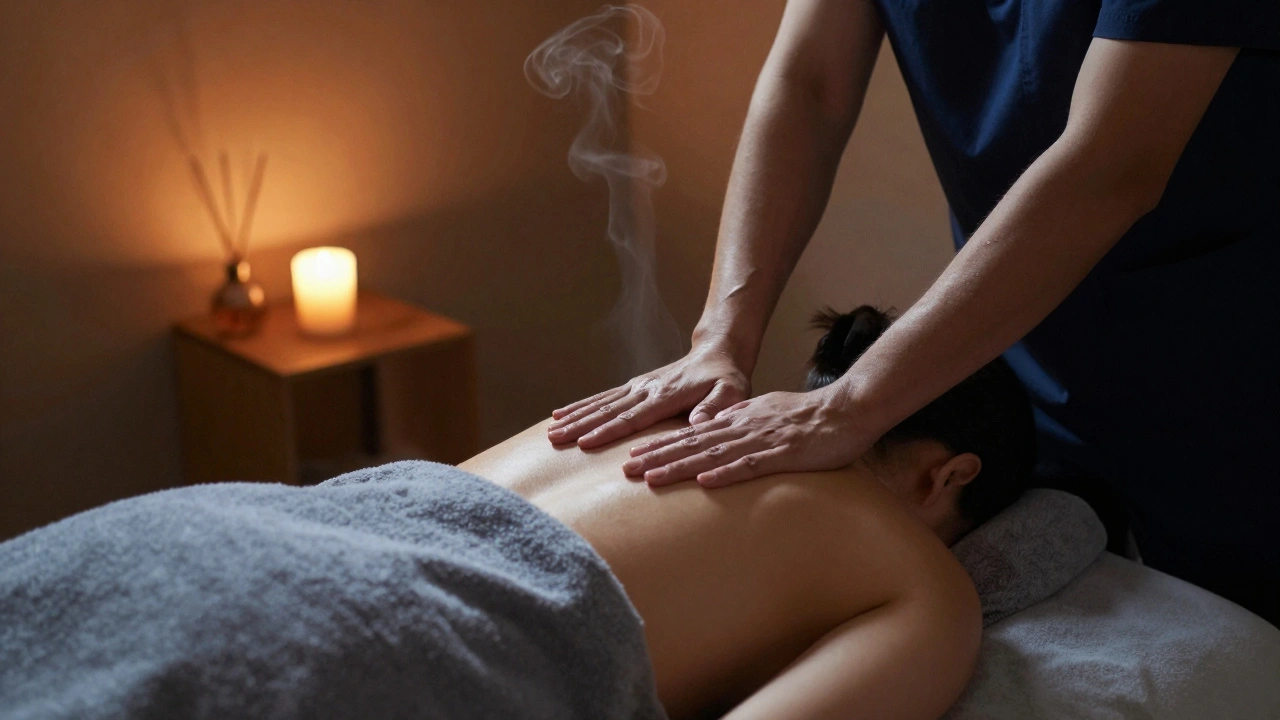
- Created by: Archer Caldwell
- Completed on: 3 Mar 2026
- Categories: Full Body Massage
You’ve booked your full body massage. You’re excited. Maybe a little nervous. You’ve heard it’s amazing-total relaxation, melting away stress, feeling like a new person. But what actually happens during the session? And more importantly, what should you do and what should you not do?
Let’s cut through the noise. No fluff. No spa jargon. Just clear, real advice from someone who’s seen hundreds of clients walk in-and walk out-after a full body massage. Whether you’re a first-timer or you’ve been going for years, this guide will help you get the most out of your session.
What to Do Before Your Full Body Massage
Preparation matters more than you think. A massage isn’t just about what happens on the table-it starts the moment you decide to show up.
- Hydrate. Seriously. Drink water the day before and the morning of. Dehydrated muscles tense up and respond poorly to pressure. You’ll feel less relief and more stiffness afterward.
- Avoid heavy meals. Eating a big lunch right before your massage? Bad idea. Your body’s busy digesting, not relaxing. A light snack is fine, but skip the curry or burger.
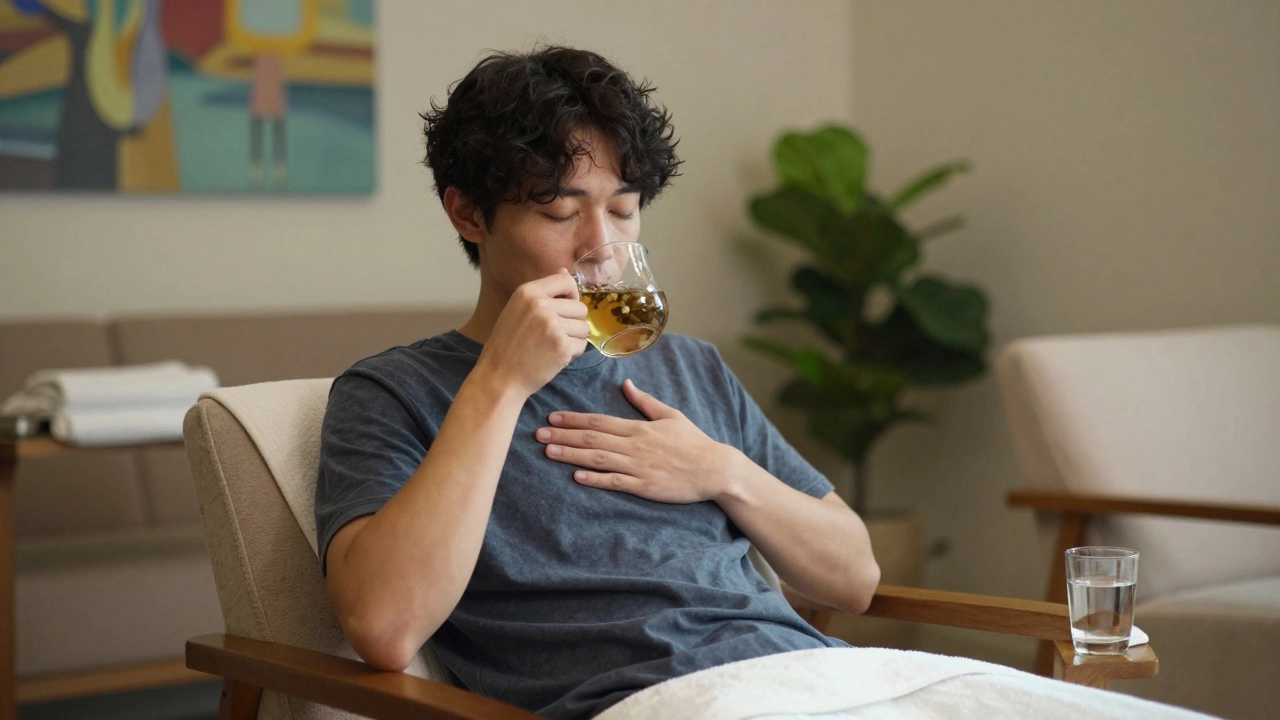
- Arrive 10-15 minutes early. This isn’t about being punctual-it’s about settling in. Most good therapists will offer a quiet space to breathe, sip tea, and leave your phone behind. Use that time to calm down.
- Be honest about your health. Tell your therapist if you’re pregnant, have high blood pressure, recent injuries, or skin conditions. It’s not just for safety-it changes how they work. A good therapist won’t judge. They’ll adjust.
- Communicate your goals. Are you here to unwind? Fix a tight shoulder? Ease lower back pain? Say it. Don’t assume they’ll guess. A quick, “I’m mostly stressed out, but my neck is killing me,” gives them a roadmap.
What NOT to Do Before Your Full Body Massage
Some things seem harmless-but they ruin the experience for you and the therapist.
- Don’t show up sweaty or in workout gear. You’re not coming from the gym to get a quick stretch. You’re here to relax. Showering beforehand isn’t just polite-it helps the oils glide better and makes the whole thing feel cleaner.
- Don’t drink alcohol beforehand. Alcohol thins your blood and can make you feel lightheaded during or after. Plus, it dulls your senses. You’ll miss out on the subtle shifts in pressure and warmth that make massage healing.
- Don’t assume silence is expected. Some people think you have to lie there like a statue. Nope. If you’re too cold, say so. If the pressure is too light or too hard, speak up. Therapists don’t read minds. They read your body-and your words.
- Don’t cancel last-minute without notice. Therapists schedule around your time. If you’re running late or can’t make it, call. A 24-hour notice is standard. Last-minute no-shows cost them money and disrupt their whole day.
What Happens During the Session
Most full body massages last 60 to 90 minutes. Here’s what you can expect step by step.
You’ll be asked to undress to your comfort level. Most people keep their underwear on. The therapist leaves the room while you get under the sheet. Only the part being worked on is uncovered-never more than necessary. Privacy is non-negotiable.
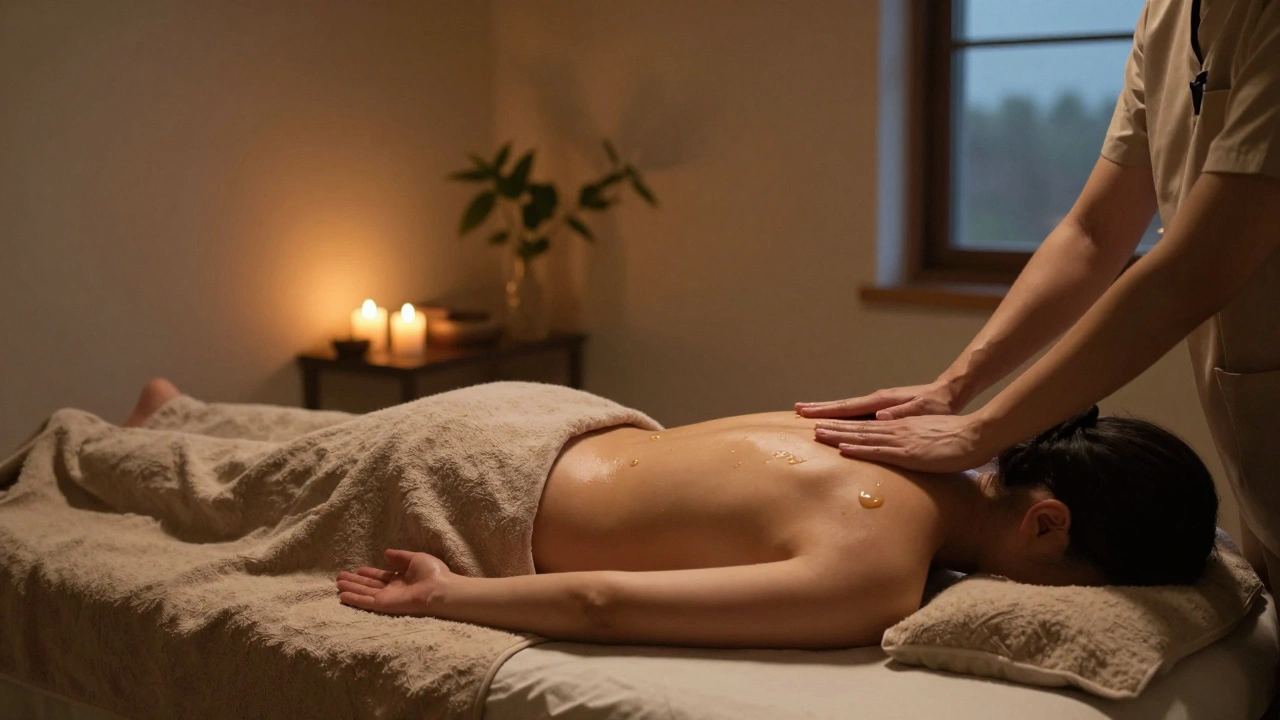
The session usually starts with your back. Long, flowing strokes (effleurage) warm up the muscles. Then comes deeper work-kneading, thumb pressure, friction-targeting knots in your shoulders, lower back, and glutes. You might feel a little discomfort, but never sharp pain. If it hurts, say so.
Then you flip over. The therapist works your legs, feet, arms, hands, neck, and scalp. Many people fall asleep during this part. That’s a win. The therapist doesn’t mind. In fact, they’ll often work extra gently if you’re snoring.
Oil or lotion is used to reduce friction. Scented oils are common, but if you’re sensitive to fragrance, ask for unscented. Most places keep a few options on hand.
At the end, they’ll quietly leave the room again so you can get dressed. Don’t rush. Sit up slowly. Your body just went through a major shift. Standing too fast can make you dizzy.
What to Do After Your Massage
The magic doesn’t stop when you leave the table. What you do next shapes how you feel for the next 24-48 hours.
- Drink water. Yes, again. Massage releases toxins from muscles into your bloodstream. Water helps flush them out. Skip the coffee or soda-go for plain water or herbal tea.
- Take it easy. Don’t schedule a workout, a big meeting, or a stressful drive right after. Let your body rest. A quiet walk or sitting with a book is perfect.
- Notice how you feel. Some people feel energized. Others feel sleepy. Both are normal. If you feel sore the next day, it’s usually because your body was holding tension you didn’t know about. That’s a good sign.
- Give feedback. If something felt amazing-or weird-tell your therapist. They’ll remember for next time. “The pressure on my right hip was perfect” or “The neck work was too heavy” helps them serve you better.
What NOT to Do After Your Massage
- Don’t jump into intense exercise. Your muscles are loose, your nervous system is chill. A hard run or weights session can cause micro-tears or strain. Wait at least 24 hours.
- Don’t take a hot shower or bath right away. Hot water opens your pores and can make you feel dizzy or overly relaxed. Wait 30-60 minutes. A warm shower is fine.
- Don’t ignore your body’s signals. If you feel nauseous, unusually tired, or have a headache, it’s not normal. It could mean you’re dehydrated, or the pressure was too intense. Call your therapist. Most will ask how you felt afterward. They care.
- Don’t expect instant miracles. One massage won’t fix years of tension. But it will give you a taste of what’s possible. Consistency-once a month or every six weeks-is what builds real change.
Types of Full Body Massage You Might Encounter in London
Not all full body massages are the same. Here’s what you’re likely to find in London’s spas and wellness centres.
| Style | Pressure | Oil/Technique | Best For |
|---|---|---|---|
| Swedish Massage | Light to medium | Light oils, long gliding strokes | Stress relief, relaxation, first-timers |
| Deep Tissue Massage | Strong, focused | Thicker oils, slow deep pressure | Chronic pain, athletes, tight muscles |
| Aromatherapy Massage | Light to medium | Essential oils (lavender, eucalyptus) | Mood balance, anxiety, sleep issues |
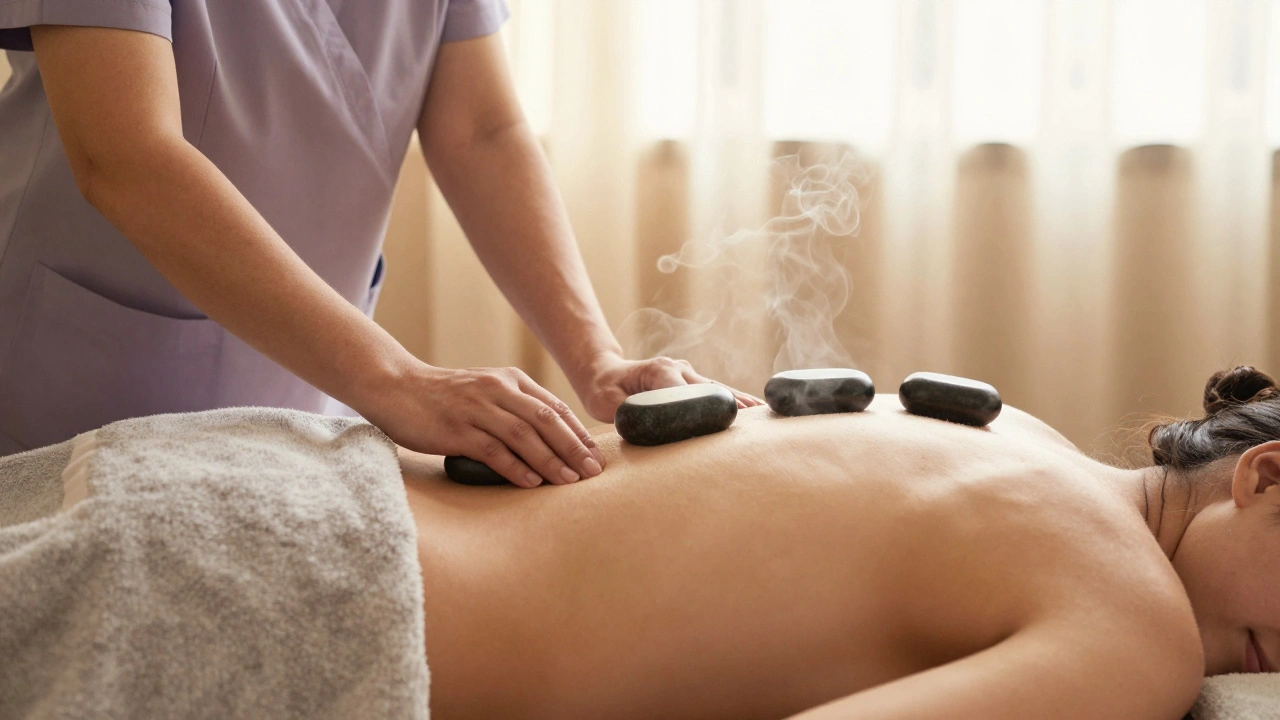
| Hot Stone Massage | Medium | Warm basalt stones, flowing strokes | Deep tension, cold sensitivity, circulation |
| Relaxation Massage | Very light | Minimal pressure, rhythmic motion | Overworked professionals, anxiety, burnout |
Most places in London offer a mix. If you’re unsure, ask for a “gentle full body” or “therapeutic relaxation.” They’ll tailor it.
How to Find a Good Full Body Massage in London
You don’t want to book a random spa just because it’s cheap. Here’s how to find someone trustworthy.
- Check reviews on Google or Trustpilot. Look for comments like “felt heard,” “adjusted pressure,” or “left feeling lighter.” Avoid places with no real reviews or only 5-star generic ones.
- Look for certified therapists. In the UK, look for qualifications like ITEC, VTCT, or CIDESCO. These aren’t just fancy certificates-they mean they’ve trained in anatomy, safety, and ethics.
- Ask about their process. A good therapist will ask you questions before you even get on the table. If they just say, “Lie down,” walk away.
- Try a 30-minute session first. Some places offer shorter sessions. It’s a low-risk way to test their style before committing to 90 minutes.
- Go where they focus on comfort. Clean sheets, quiet space, no loud music, no pressure to upgrade. If it feels like a sales pitch, it’s not a spa-it’s a showroom.
Pricing and Booking in London (2026)
Prices vary by location, therapist experience, and session length. Here’s what you’ll typically pay in 2026:
- 60-minute session: £65-£90
- 90-minute session: £90-£130
- 120-minute session: £130-£180
High-end spas in Mayfair or Belgravia charge more. Independent therapists in home studios or smaller clinics often offer better value. Don’t assume price = quality. Many top therapists work outside luxury spas.
Book online through their website or apps like Treatwell or Bookings. Always check cancellation policies. Most require 24 hours notice.
Safety Tips You Can’t Ignore
Massage is generally safe-but not if you skip these basics.
- Never get a massage if you have an active infection, fever, or open wounds. It can spread bacteria or irritate skin.
- Avoid deep pressure if you’re on blood thinners. Too much pressure can cause bruising or internal bleeding. Talk to your doctor first.
- Don’t massage over bruises, recent surgery, or fractures. Even if it “feels like it needs work,” it doesn’t.
- Ask if they use clean sheets for every client. Reused linens? Red flag.
- Trust your gut. If something feels off-too much touching, pressure that hurts, no privacy-leave. No apology needed.
FAQ: Your Questions About Full Body Massage Answered
Do I have to be naked during a full body massage?
No. You’re never required to be fully undressed. Most people keep their underwear on. The therapist uses draping techniques-only the area being worked on is exposed. If you’re uncomfortable, say so. A good therapist will adjust.
Can I talk during the massage?
Yes, but you don’t have to. Some people like to chat to relax. Others prefer silence. It’s your session. If you want to say something-about pressure, temperature, or just how good it feels-go ahead. The therapist is there to serve you, not to entertain.
How often should I get a full body massage?
For stress relief, once a month is ideal. If you’re dealing with chronic pain, tight muscles, or high stress, every 2-3 weeks helps. But even once every 6-8 weeks gives noticeable benefits. It’s not a luxury-it’s maintenance, like brushing your teeth.
Why do I feel tired after a massage?
Your body just released tension and toxins. That takes energy. It’s like your nervous system hit reset. Drink water, rest, and don’t schedule anything demanding. You’ll feel more alert the next day.
Is it normal to be sore after a massage?
Mild soreness, especially after deep tissue work, is normal. It’s like the feeling after a good workout. But sharp pain, bruising, or lasting discomfort isn’t. If it lasts more than two days, contact your therapist. They’ll want to know.
Ready to Relax?
A full body massage isn’t just about muscle relief. It’s about reclaiming space for yourself in a world that never stops asking for more. You don’t need to be stressed out, in pain, or at your limit to deserve it. You just need to say yes.
Book your session. Show up. Breathe. Let go. And don’t forget to drink that water afterward.
Similar Posts
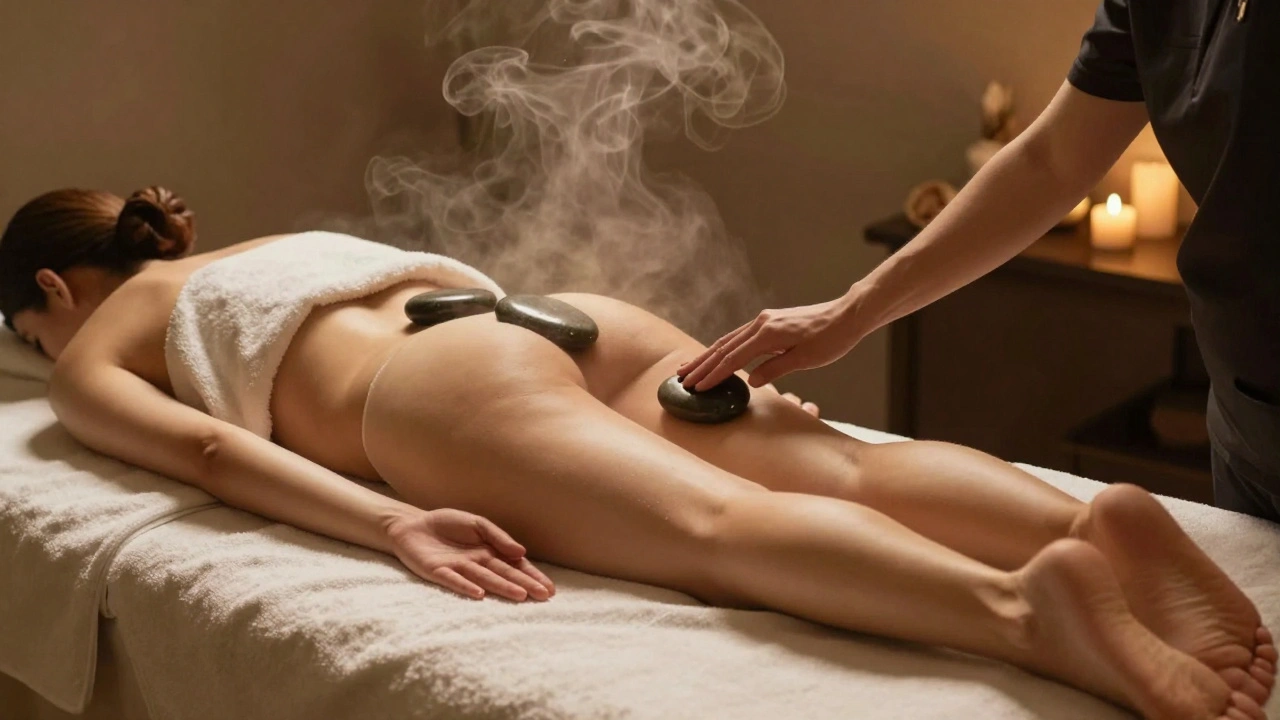
Revitalize Your Body and Spirit with Hot Stone Massage
From Stress to Serenity: The Magic of Hot Stone Massage in London
Discover how hot stone massage melts stress and restores calm in London. Learn how it works, where to find the best sessions, what to expect, and why it’s more effective than other massages for deep relaxation.
Body Massage: Your Pathway to Inner Peace and Harmony
Body massage isn't just about relaxation-it's a proven way to reset your nervous system, reduce stress, and release chronic tension. Learn how it works, what to expect, and how to find the right therapist for real, lasting relief.
CIaran Vaudequin
March 4, 2026 AT 04:08Look, I’ve had five massages in the last year and three of them were basically just a guy with oily hands pushing on my back while I wondered if he was counting my ribs. The article’s fine, but honestly? The real secret is finding someone who doesn’t treat you like a human stress ball. If they don’t ask about your sleep or stress levels before you strip, walk out. No one’s paying for a spa fantasy.
Fernando M
March 5, 2026 AT 23:03So let me get this straight-you’re telling me I shouldn’t show up sweaty? Like, I just got off my bike ride and now I’m supposed to take a shower before getting massaged? What’s next, do I have to brush my teeth before they touch my neck? This is why I stopped going to spas. It’s not a massage, it’s a performance.
adam chance
March 6, 2026 AT 22:51Okay, I’ll say it-this guide is actually pretty solid. Like, shockingly so. Most of these tips are things I’ve learned the hard way after paying $120 for a massage that left me more tense than when I walked in. But here’s the thing: nobody talks about how much the therapist’s energy matters. Like, if they’re distracted, rushed, or just vibeless? It’s a waste. I once had a therapist who kept checking her watch. I swear, I felt her impatience in my glutes. So yeah, hydration? Good. But also, trust your gut. If they don’t feel right, don’t let them touch you.
Also, hot stone massage? If you’re not sweating by the end, you didn’t get one. And if the stones feel like they’re still in the fridge? Run.
Rachel Glum
March 7, 2026 AT 12:38I’ve been getting massages for over a decade, and the biggest shift in my experience came when I stopped treating it like a chore and started treating it like a sacred pause. This article nails it-not because it’s perfect, but because it reminds you that your body isn’t a machine to be fixed. It’s a living thing that’s been holding your anxiety, your grief, your silent screams. A massage isn’t about the oil or the pressure-it’s about surrender. Letting go isn’t passive. It’s brave. And yes, drink the water. But also, sit in silence for ten minutes after. Don’t reach for your phone. Let your nervous system catch up. That’s the real magic.
James Nightshade
March 9, 2026 AT 11:16I’ve been a massage therapist for 14 years. This guide is accurate, thoughtful, and respectful. One thing I’d add: if you’re nervous about being naked, just say so. We’ve all seen it. We don’t care if you’re wearing boxers, underwear, or a onesie. We care that you’re relaxed. Also, if you fall asleep? That’s our favorite thing. It means you’re safe. We’re not judging. We’re just glad you’re finally letting go.
mary glynn
March 11, 2026 AT 09:50Why are we even talking about London? I’ve been to three places here and they all act like you’re paying to be pampered by a British nanny. I got a massage last month and the therapist asked if I wanted ‘a touch of lavender’ like I was ordering a latte. Just do the damn thing. I don’t need aromatherapy. I need my back fixed. And no, I’m not going to ‘breathe’ while you knead my glutes. I’m here for results, not vibes.
Kirsten Miller
March 13, 2026 AT 06:08Interesting… I appreciate the structure, but I’m curious-why is there no mention of fascia release? Or the role of the parasympathetic nervous system in post-massage fatigue? And what about the psychological component of touch deprivation in modern life? The article assumes massage is purely physical, but for many of us, it’s a somatic reconnection-a reintegration of the self after years of dissociation. I’ve had therapists who didn’t know what the sacroiliac joint was… and yet they were charging $130. That’s not a massage. That’s a transaction.
Also: ‘Drink water’? That’s it? I’ve had clients pass out after deep tissue because they didn’t hydrate. And yes, I’ve had clients cry during scalp work. That’s not weird. That’s biology.
Liana Lorenzato
March 13, 2026 AT 10:58Oh, how quaint. A ‘full body massage’ in London? How delightfully… pedestrian. I had mine at a private studio in Chelsea-hand-carved teak table, custom-blended bergamot and black pepper oil, a live cellist playing in the corner. You know what the article doesn’t mention? That the therapist had a degree in somatic psychology. And that the sheets were hand-loomed in Normandy. Honestly, if you’re going to spend that much time on a table, you might as well do it with soul. Otherwise, you’re just… paying for a nap.