
Learn how often to get a full body massage for optimal relaxation and pain relief. Expert advice on frequency, types, pricing, and safety in London. Find out what works best for your lifestyle.
- Created by: Archer Caldwell
- Completed on: 14 Mar 2026
- Categories: Body Massage
You know that feeling when your shoulders are tight, your mind won’t shut off, and no amount of scrolling makes you feel better? That’s not just tiredness. It’s your body screaming for release. Body massage isn’t just about muscle relief-it’s a direct line to your nervous system, a way to reset your whole being. And yes, it’s that simple. No magic potions, no complicated routines. Just hands, pressure, and time.
What Body Massage Really Does
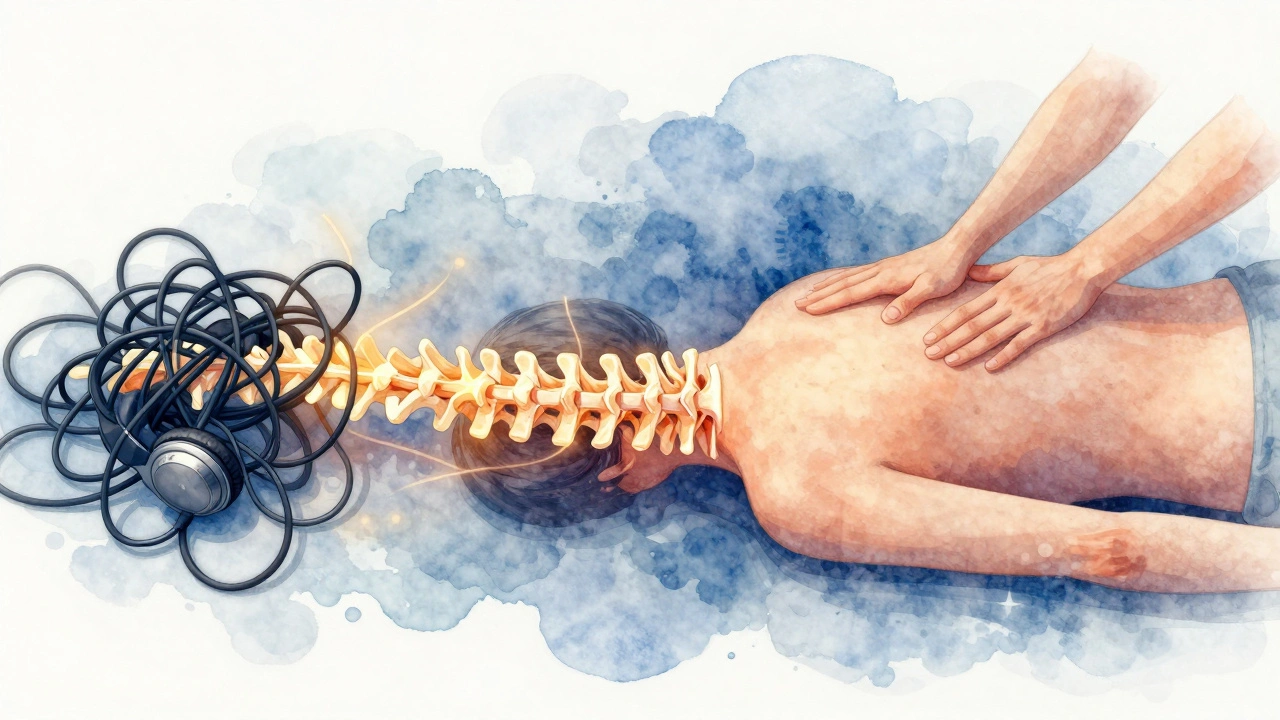
Think of your body like a tangled headphone cord. Every day, stress, bad posture, and movement patterns twist it tighter. Body massage doesn’t just untangle it-it rewires how your body feels safe. Studies show that regular massage lowers cortisol, the stress hormone, by up to 31%. At the same time, it boosts serotonin and dopamine-the chemicals that make you feel calm and happy. This isn’t a luxury. It’s a biological reset button.
When a therapist works on your back, shoulders, or legs, they’re not just pushing on skin. They’re signaling your brain: “You’re not in danger right now.” That’s when your heart rate slows, your breathing deepens, and your muscles stop guarding like they’re under attack. It’s why people often cry during their first session. Not because it hurts. Because for the first time in weeks, they feel safe.
Why This Isn’t Just Another Spa Treat
Most people think massage is for people who can afford it. But the truth? You don’t need a five-star spa. You need consistency. One 60-minute session a month can change how you move, sleep, and react to stress. People who get regular body massage report better sleep, fewer headaches, and less anxiety. Not because they’re doing yoga or meditating. Because their bodies stopped holding tension like a clenched fist.
Take Sarah, a nurse in Manchester. She works 12-hour shifts, on her feet all day. After six months of biweekly massages, she stopped needing painkillers for her lower back. Not because the massage fixed her spine. It just stopped her muscles from fighting against themselves. That’s the real magic: it doesn’t fix what’s broken. It stops you from breaking yourself further.
Types of Body Massage You Can Try
Not all massages are the same. The technique changes the effect. Here are the most common types and what they actually do:
- Swedish Massage - Gentle, flowing strokes. Best for beginners or anyone feeling overwhelmed. It’s like a warm blanket for your nervous system.
- Deep Tissue Massage - Slower, deeper pressure. Targets chronic tension in muscles and connective tissue. Good if you’re always stiff or have old injuries.
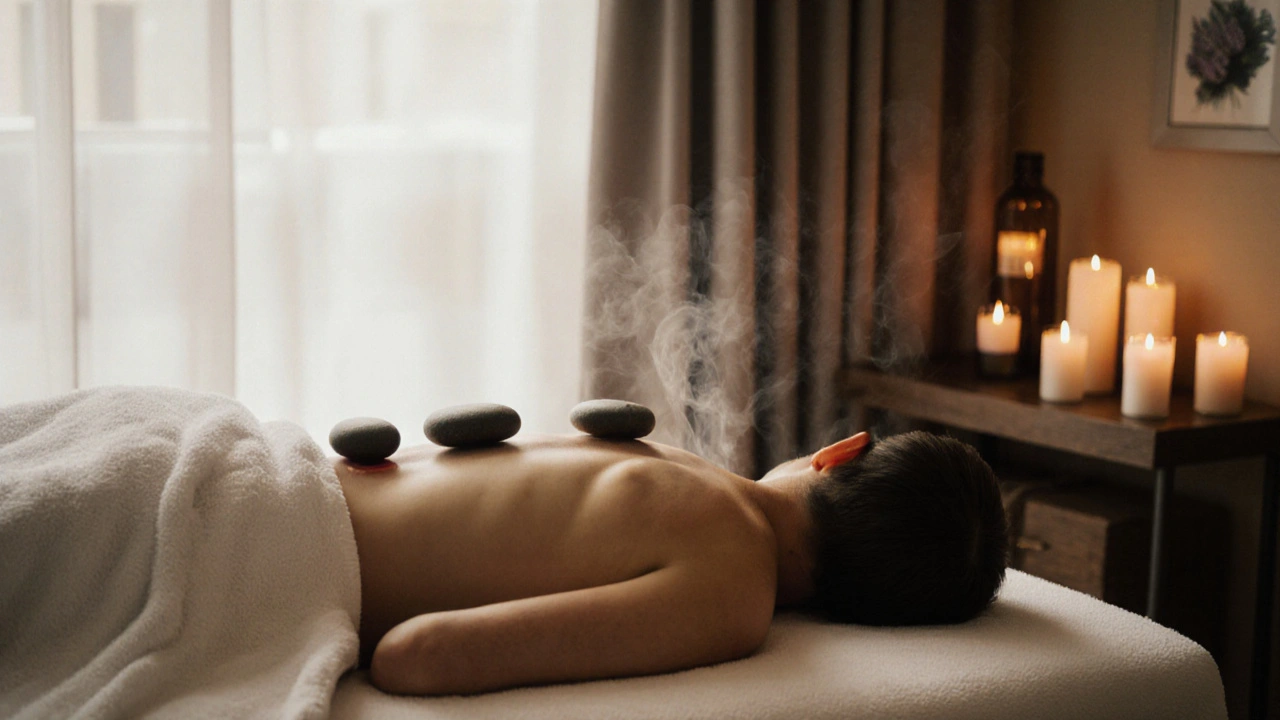
- Hot Stone Massage - Warm stones placed along your spine and muscles. The heat melts tension without pressure. Perfect if you’re cold, stiff, or emotionally numb.
- Aromatherapy Massage - Uses essential oils like lavender or eucalyptus. The scent works with touch to calm your mind. Great if anxiety keeps you awake at night.
- Relaxation Massage - A blend of all the above, focused on slowing your nervous system. No goal except to let go.
You don’t need to pick the “right” one. Start with relaxation or Swedish. Let your body tell you what it needs next.
What Happens During a Session
Here’s what you can expect if you’ve never tried it:
- You’ll fill out a quick form-any injuries, allergies, or areas you want focused on.
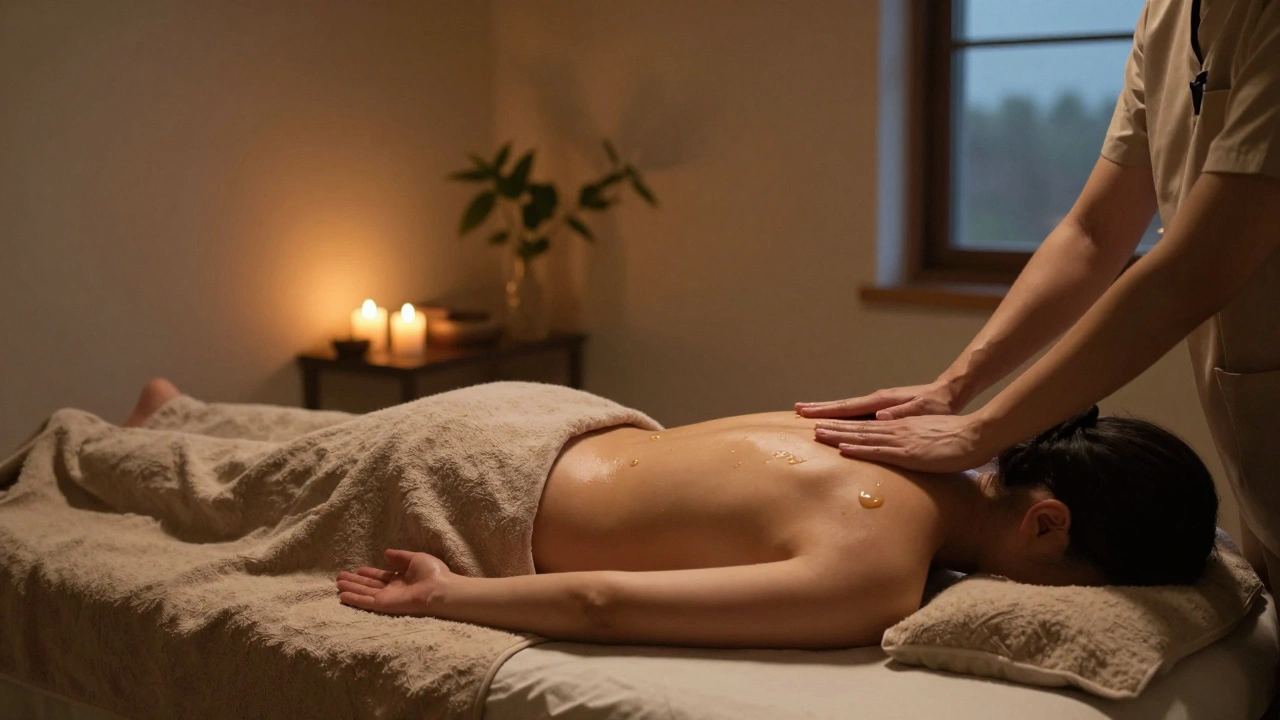
- You’ll be alone in a warm, quiet room with soft lighting. Music is optional-some people prefer silence.
- You’ll undress to your comfort level. A towel covers you at all times. Only the part being worked on is exposed.
- The therapist will use oil or lotion. It glides smoothly, so there’s no dragging or pulling.
- Pressure is adjustable. Say something if it’s too light or too hard. Good therapists ask twice.
- You’ll likely drift off. That’s normal. Don’t worry about staying awake.
- Afterward, you’ll get water. Hydration helps flush out released toxins.
Most people feel a little lightheaded at first. That’s not bad-it’s your body adjusting. Give yourself 15 minutes to sit quietly afterward. No phone. No rushing. Just breathe.
How to Find a Good Massage Therapist
You don’t need a fancy spa. In fact, some of the best therapists work out of quiet studios or even homes. Here’s how to find one:
- Check reviews on Google or Trustpilot. Look for mentions of “calm environment,” “listened to me,” or “didn’t rush.”
- Ask for a licensed therapist. In the UK, they should be registered with a body like the Complementary and Natural Healthcare Council (CNHC).
- Call ahead. Ask if they offer a short consultation. A good therapist will want to know your goals before you lie down.
- Trust your gut. If the place feels cold, rushed, or overly clinical, walk away. Massage should feel like care-not a transaction.
Many therapists offer first-time discounts. Don’t be shy about asking. You’re investing in your well-being, not buying a product.
Pricing and Booking
Prices vary by location and experience, but here’s what you’ll typically pay in the UK right now:
| Duration | Standard Price | Premium (licensed therapist) | Package Deal (5 sessions) |
|---|---|---|---|
| 60 minutes | £45-£60 | £65-£85 | £200-£275 |
| 90 minutes | £65-£80 | £85-£110 | £300-£400 |
| 120 minutes | £85-£105 | £115-£140 | £400-£500 |
Book online. Most therapists use platforms like Acuity or Calendly. You can pick your time, choose your therapist, and even add a note like “I’m really stressed-please go easy on my shoulders.” They’ll appreciate it.
What to Avoid
Massage isn’t dangerous-but bad experiences happen. Here’s what to skip:
- Therapists who don’t ask about your health history. If you have high blood pressure, pregnancy, or recent surgery, they need to know.
- Places that push add-ons: “Add aromatherapy for £20!” or “Upgrade to hot stones!” You’re paying for time, not upsells.
- Anyone who doesn’t respect boundaries. If they touch you in a way that feels off, speak up. Immediately.
- “No license required” studios. In the UK, unlicensed therapists can’t legally claim to treat pain or injury. Stick to CNHC or equivalent.

Body Massage vs. Other Relaxation Methods
| Method | Physical Release | Nervous System Calm | Long-Term Effect | Cost per Session |
|---|---|---|---|---|
| Body Massage | High | Very High | Improves posture, reduces chronic tension | £45-£140 |
| Yoga | Moderate | High | Builds strength and awareness over time | £10-£25 |
| Meditation | Low | High | Changes thought patterns | Free-£15 |
| Spa Day | Low to Moderate | Moderate | Short-term feel-good | £100-£300 |
| Self-Massage (foam roller) | Moderate | Low | Helps maintenance, not reset | £15-£50 (tool cost) |
Massage wins for speed and depth. You can’t meditate your way out of a knot in your trapezius. But massage can release it in 20 minutes. Then, meditation helps you stay released.
FAQ: Your Questions About Body Massage Answered
Is body massage safe if I have chronic pain?
Yes-but tell your therapist first. They’ll adjust pressure and avoid areas that could worsen inflammation. Many people with arthritis, fibromyalgia, or lower back pain find relief with gentle, consistent massage. It’s not a cure, but it reduces flare-ups by keeping muscles from tightening around injured areas.
How often should I get a body massage?
For most people, once a month is enough to maintain balance. If you’re under heavy stress-working long hours, caring for someone, recovering from injury-every two weeks helps. Once a week is overkill unless you’re an athlete or have a specific medical need. Listen to your body. If you feel lighter after a session, you’re on the right track.
Do I need to undress completely?
No. Wear whatever makes you comfortable. Most people keep their underwear on. Therapists use draping techniques-only the area being worked on is uncovered, and it’s always covered when not being touched. If you’re unsure, ask ahead. Good therapists will explain the process.
Can I get a massage if I’m pregnant?
Yes, but only after the first trimester and only with a therapist trained in prenatal massage. They’ll use special pillows and avoid pressure points that could trigger contractions. Many pregnant women say it’s the only thing that helps them sleep. Just make sure they’re certified.
Why do I feel tired after a massage?
Because your body just did deep healing. Massage releases stored tension and toxins, which takes energy. Drink water, rest, and avoid intense exercise or caffeine right after. You’ll feel more energized the next day. It’s not a crash-it’s recovery.
Is there a difference between a massage therapist and a spa technician?
Yes. A licensed massage therapist has trained in anatomy, physiology, and therapeutic techniques. They can adjust for injuries, pain, or medical conditions. A spa technician may only know basic relaxation strokes. If you’re seeking relief-not just a treat-choose a licensed therapist. Check their registration on the CNHC website.
Ready to Start?
You don’t need to wait for a vacation. You don’t need to spend a fortune. You just need to say yes-to yourself, to rest, to peace. Book your first session. Not tomorrow. Not next week. Now. The tension you’re carrying? It doesn’t have to be yours forever.
Similar Posts


How Often Should You Get a Full Body Massage? Expert Insights
Foot Massage: Your Ticket to a Stress-Free Life
Foot massage is a simple, science-backed way to reduce stress, improve sleep, and ease chronic pain. Discover how targeting just your feet can reset your entire nervous system and bring calm to your busy life.
Swedish Massage Therapy in London: Unlock Relaxation and Wellness Benefits
Discover how Swedish massage therapy in London can melt away stress, improve health, and leave you recharged. Find tips, real experiences, and pricing details now.