
Foot massage isn't just relaxing-it's a powerful, science-backed way to reduce stress, improve sleep, and relieve pain. Discover why everyone, no matter their lifestyle, needs this simple daily habit.
- Created by: Elara Wainwright
- Completed on: 15 Nov 2025
- Categories: Full Body Massage
You’ve had one of those weeks-sleepless nights, back stiffness from sitting all day, shoulders tight enough to crack walnuts. You book a full body massage, walk out feeling like a new person, and immediately wonder: How often should I do this? Is once a month enough? What if I’m in constant pain? Can you even overdo it?
The truth? There’s no one-size-fits-all answer. But there are clear guidelines backed by therapists, physiotherapists, and years of real-world experience. And if you’re in London, where stress levels are high and time is low, knowing the right rhythm can make all the difference.
How Often Should You Get a Full Body Massage?
If you’re healthy, active, and just looking to de-stress, aim for once every 2 to 4 weeks. That’s the sweet spot for most people. It’s frequent enough to keep tension from building up, but not so often that it becomes a financial burden or overwhelms your body’s recovery system.
But if you sit at a desk 8 hours a day, carry kids or groceries everywhere, or train hard 5 days a week? Then once a week might be your new normal. Athletes, caregivers, and chronic pain sufferers often benefit from weekly sessions-especially when paired with stretching or mobility work.
On the flip side, if you’re on a budget or just starting out, once a month is still incredibly valuable. Think of it like brushing your teeth: you don’t need to do it 10 times a day, but skipping it for months? You’ll feel it.
What Is a Full Body Massage, Really?
A full body massage isn’t just about relaxation-it’s a systematic release of tension across your entire musculoskeletal system. It typically covers your back, neck, shoulders, arms, hands, legs, feet, and sometimes the scalp and glutes. Therapists use a mix of techniques: long flowing strokes (effleurage), deep pressure (petrissage), kneading, and sometimes trigger point work.
It’s different from a back-only or foot massage. Those are targeted. A full body session is holistic. It doesn’t just fix one sore spot-it helps your whole nervous system reset. Your heart rate slows. Cortisol drops. Blood flow improves. And yes, you might even sleep better for days after.
Why Regular Full Body Massages Matter
Let’s say you get a massage once a year. Great. You feel amazing for two days. Then you’re back to the same stress, posture, and tension. It’s like putting a bandage on a leaky pipe-you’re masking the problem, not fixing the flow.
Regular sessions? They retrain your body. Over time, muscles learn to relax. Posture improves. You stop holding your breath when you’re stressed. You notice tension earlier, before it turns into pain.
Real people notice this. A client in Clapham, a teacher who stood all day, started coming every two weeks. After three months, she stopped needing painkillers for her lower back. Another guy, a warehouse manager with sciatica, cut his doctor visits in half after switching to weekly sessions.
It’s not magic. It’s physiology. Your body adapts to what you repeat.
Types of Full Body Massage Available in London
Not all full body massages are the same. Here’s what you’ll find in London:
- Swedish Massage - Gentle, rhythmic strokes. Best for stress relief and beginners.
- Deep Tissue Massage - Slower, firmer pressure. Targets chronic knots and scar tissue. Good for athletes or people with old injuries.
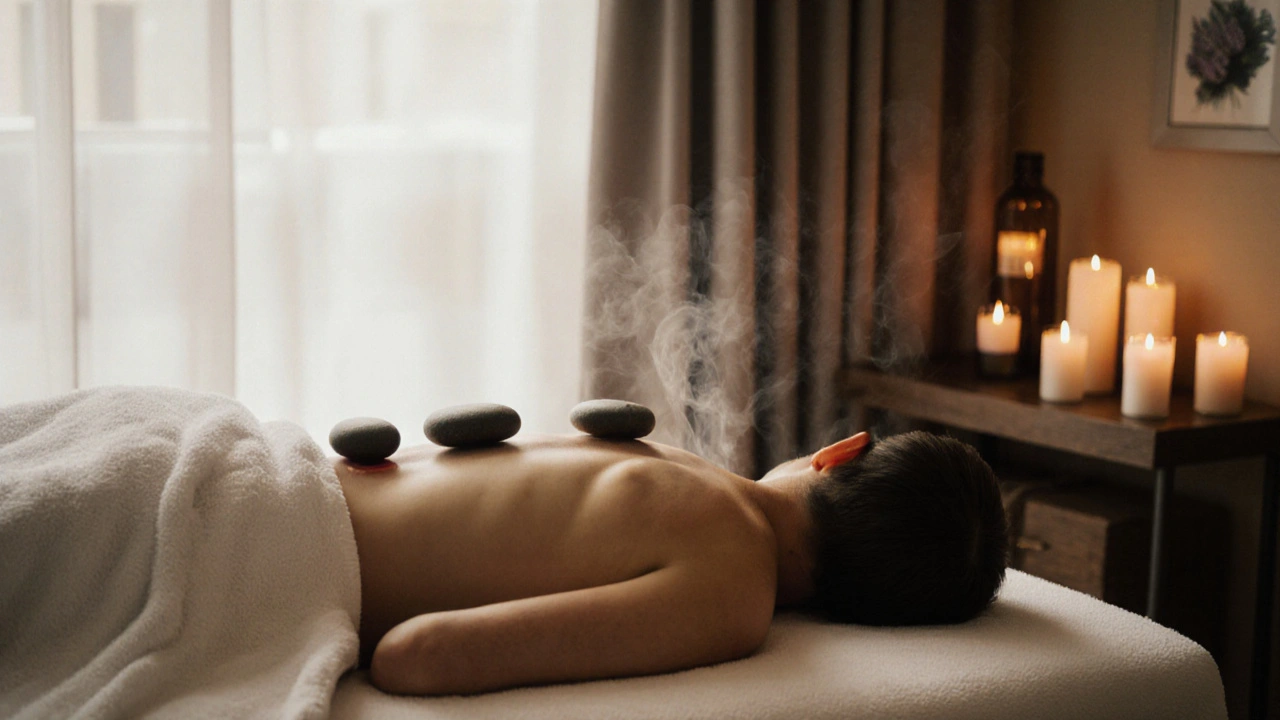
- Hot Stone Massage - Smooth heated stones placed along your spine and muscles. Deeply relaxing, especially in winter.
- Aromatherapy Massage - Uses essential oils like lavender or eucalyptus. Great if you want to calm your mind as much as your muscles.
- Thai Massage - More active. You stay clothed, and the therapist uses their hands, knees, and feet to stretch you. Good if you’re stiff and want movement.
Most spas in London offer Swedish as their standard full body option. If you’re unsure, start there. You can always upgrade later.

How to Find Quality Full Body Massage Services in London
London has hundreds of massage places-from luxury spa hotels to tiny studios above bakeries. Here’s how to pick the right one:
- Check reviews on Google and Trustpilot. Look for mentions of “therapist skill,” “cleanliness,” and “listening to needs.”
- Avoid places that push add-ons aggressively. A good therapist asks what you need-not what they can sell you.
- Look for therapists registered with the Complementary and Natural Healthcare Council (CNHC). That means they’ve met national standards.
- Try a local studio in your neighbourhood. Places in Islington, Camden, or Richmond often have better value and more personal service than tourist-heavy spots in Covent Garden.
- Ask if they offer a consultation. A good therapist will ask about your pain, sleep, stress, and goals before the session even starts.
What to Expect During Your First Full Body Massage
You’ll be asked to undress to your comfort level-most people keep their underwear on. You’ll lie under a towel on a heated table. The therapist leaves the room while you get settled.
The room will be warm, quiet, with soft music. Candles or essential oils might be used. You’ll feel oil or lotion applied-usually unscented unless you choose aromatherapy.
They’ll start with your back, then move to legs, arms, neck. Pressure should never be unbearable. If it hurts too much, speak up. A good therapist adjusts on the spot.
Most sessions last 60 or 90 minutes. The first 10 minutes are quiet-your body is settling in. The last 5 minutes? You’ll feel like you’re floating. Don’t rush out. Drink water. Sit quietly for a few minutes. Your nervous system is still resetting.
Pricing and Booking in London
Here’s what you’ll pay in 2025:
- 60-minute session: £60-£90 (standard spas and studios)
- 90-minute session: £90-£130
- High-end spa (e.g., The Ritz, Mandarin Oriental): £150-£250
- Outcall massage (at home): £100-£160
Many places offer packages: 5 sessions for the price of 4, or monthly memberships. If you’re planning to come regularly, these save you 15-20%. Book online or call ahead-weekends fill up fast, especially in central London.

Safety Tips for Regular Massage
Massage is safe for most people-but not everyone. Avoid it if you have:
- An active infection or fever
- Recent surgery or open wounds
- Deep vein thrombosis (DVT)
- Severe osteoporosis
- Uncontrolled high blood pressure
Always tell your therapist about any medical conditions-even if you think it’s irrelevant. A broken ankle from two years ago? Mention it. You might be compensating for it in your posture.
Also, don’t get a massage right after a heavy meal or alcohol. Wait at least 2 hours. And hydrate after. Your muscles are releasing toxins-they need water to flush them out.
Full Body Massage vs. Deep Tissue Massage: What’s the Difference?
| Feature | Full Body Massage | Deep Tissue Massage |
|---|---|---|
| Primary Goal | Relaxation, stress relief, circulation | Release chronic muscle tension, break down scar tissue |
| Pressure | Light to moderate | Strong, focused |
| Areas Covered | Entire body: back, legs, arms, neck, feet | Targeted areas: often back, shoulders, hips |
| Best For | Stress, sleep, general wellness | Chronic pain, athletes, injury recovery |
| After Effects | Feeling calm, slightly sleepy | Soreness for 1-2 days, then relief |
| Frequency Recommended | Every 2-4 weeks | Every 1-2 weeks (until issue improves) |
Think of full body massage as your monthly reset. Deep tissue is your targeted repair. You can do both-but not always on the same day.
Frequently Asked Questions
Can you get a full body massage too often?
Yes-if you’re doing intense deep tissue sessions daily, your muscles won’t have time to recover. For most people, 2-3 times a week is the max. If you’re doing gentle Swedish or relaxation massages, once a day is fine for short periods (like during a retreat). But daily long-term? Unnecessary. Your body thrives on rhythm, not overload.
Is a full body massage worth it if I’m not in pain?
Absolutely. Pain is the last sign of trouble. By the time you feel it, your body’s been holding tension for months. Regular massages prevent pain before it starts. Think of it like changing your car’s oil-you don’t wait until the engine dies. Same with your muscles.
Do I need to undress completely?
No. Most people keep their underwear on. The therapist uses draping-only the area being worked on is uncovered. If you’re uncomfortable, say so. A good therapist will adjust. Your comfort is part of the treatment.
What if I fall asleep during the massage?
That’s a sign it’s working. Most therapists see it as a compliment. You’re deeply relaxed. They’ll work around you and won’t wake you unless necessary. You won’t miss anything important.
Can I get a full body massage if I’m pregnant?
Yes-but only with a therapist trained in prenatal massage. Avoid deep pressure on the abdomen and inner thighs. Many London studios offer special prenatal packages. Always tell them you’re pregnant before the session starts.
How long do the benefits last?
The immediate calm lasts 2-3 days. The long-term benefits-better posture, less stiffness, improved sleep-build over weeks and months. That’s why consistency matters more than intensity. One great massage won’t change your life. Five a month just might.
Ready to Make It a Habit?
You don’t need to be in pain to benefit from a full body massage. You just need to be tired. And in London, that’s almost everyone.
Start small. Book one session. Notice how you feel the next day. Then, if it clicks, schedule the next one in three weeks. Build the rhythm. Let your body thank you.
It’s not a luxury. It’s maintenance. And like any good habit, the best time to start was yesterday. The second-best time? Today.
Similar Posts

Why Everyone Needs a Foot Massage in Their Life
Hot Stone Massage Experience: What to Expect in London
Discover what a hot stone massage in London feels like, from stone placement and benefits to pricing, safety tips, and how to book your session.
Full Body Massage for Mental Health: Strengthen Your Mind‑Body Connection
Discover how a full body massage can lift your mood, lower stress, and boost overall mental health. Learn the science, benefits, and how to find top therapists in London.
Steven Williams
November 17, 2025 AT 05:55Once every 3 weeks is my sweet spot. Not too expensive, not too lazy. My shoulders haven’t clicked in months.
Naomi Dietrich
November 17, 2025 AT 07:46Ugh, this article is so watered down. If you’re sitting at a desk all day and you think once a month is enough, you’re literally training your body to be broken. Deep tissue three times a week isn’t optional-it’s survival. And stop calling it a ‘luxury.’ It’s physical therapy with better lighting.
Tejas Kalsait
November 18, 2025 AT 16:20Massage as neuromuscular recalibration-biofeedback loop via somatic input. The parasympathetic shift isn’t anecdotal-it’s measurable via HRV. But most people treat it like a spa day, not a physiological intervention. You need frequency to rewire the tension memory. The body doesn’t forget-it compensates.
Emily Martin
November 19, 2025 AT 16:22I love how this post breaks down the differences between Swedish and deep tissue. So many people don’t realize they’re not the same thing. Also, the hydration tip after a session? Critical. I used to skip it and wonder why I felt foggy the next day.
Grace Nean
November 20, 2025 AT 10:04For anyone nervous about trying this-start with a 60-minute Swedish. No pressure to undress more than you’re comfy with. The first time I went, I cried halfway through. Not because it hurt-because I realized I hadn’t truly relaxed in years. It’s okay to need this.
aidan bottenberg
November 21, 2025 AT 04:22While the article provides a comprehensive overview, I would be interested in empirical data regarding cortisol reduction post-massage. Are there peer-reviewed studies correlating frequency of full-body massage with biomarkers such as salivary cortisol or IL-6 levels? Without quantitative metrics, recommendations risk being anecdotal.
mahesh moravaneni
November 21, 2025 AT 09:18USA? UK? You people think massage is a ‘wellness trend’? In India, we’ve known for 5,000 years-Ayurveda, Pindaswed, Abhyanga-this isn’t new, it’s ancient wisdom! You pay $90 for someone to rub your back like it’s a miracle? We did it with warm herbal oil and a grandma’s hands. Stop commodifying tradition.
John Galt
November 21, 2025 AT 23:02The neurophysiological cascade initiated by sustained somatic pressure triggers downregulation of the hypothalamic-pituitary-adrenal axis, reducing pro-inflammatory cytokines and modulating nociceptive pathways. However, the economic model of massage therapy in Western urban centers is fundamentally unsustainable-labor costs, overhead, and consumer commodification of therapeutic touch create a false equivalence between wellness and luxury. The real crisis isn’t muscle tension-it’s the systemic devaluation of embodied care.