
Aromatherapy massage combines touch and plant-based oils to reduce stress, improve sleep, and support emotional balance. Backed by science and used for centuries, it’s a natural way to heal the whole person-not just the symptoms.
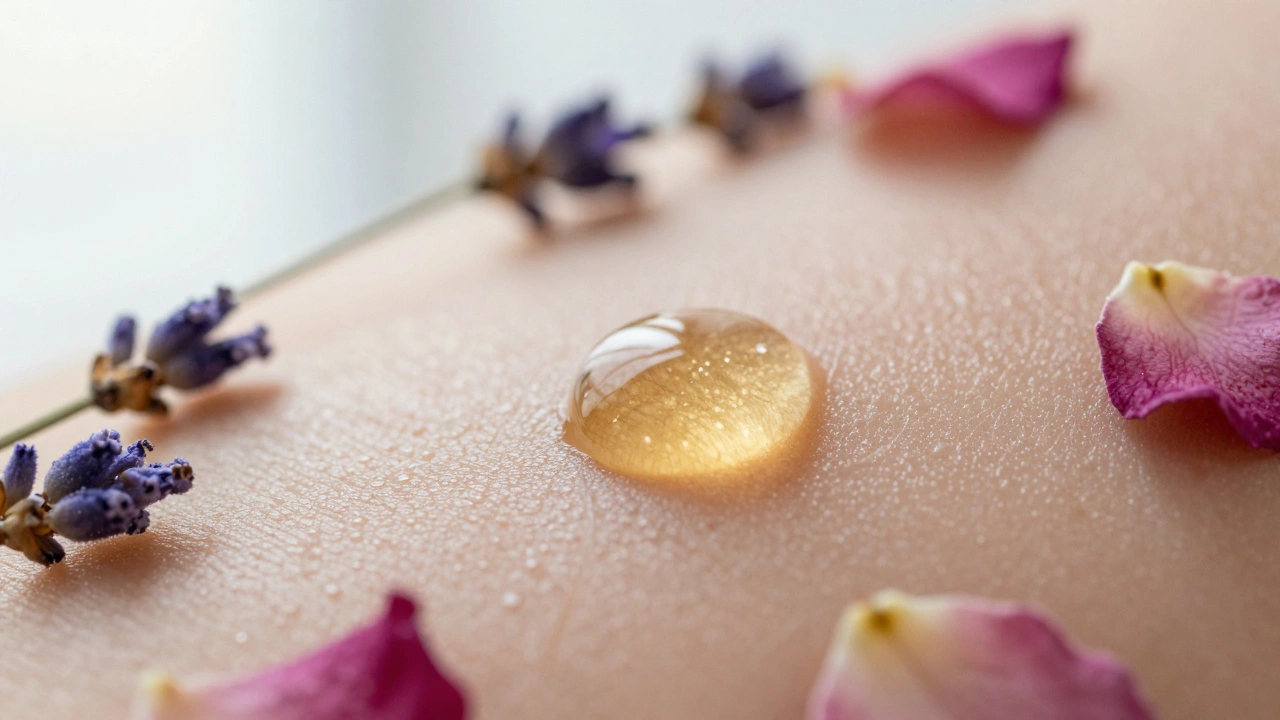
- Created by: Elara Wainwright
- Completed on: 26 Mar 2026
- Categories: Aromatherapy Massage
Quick Summary
- Aromatherapy massage combines tactile stimulation with therapeutic plant extracts to enhance skin texture and tone.
- Essential oils penetrate deeper than standard lotions, delivering antioxidants directly to the epidermis.
- The massage technique boosts circulation, reducing puffiness and promoting natural collagen production.
- Safety checks, like patch testing and carrier dilution, are critical to avoid irritation.
- Regular sessions can improve hydration levels and reduce signs of stress-related breakouts.
More Than Just Relaxation
You’ve probably spent hours searching for the perfect moisturizer or serum, only to find your skin still looks dull after a week. We tend to treat skincare as a surface-level game-wash, lotion, rinse-but what if the solution involved engaging the nervous system too? When you step into a quiet treatment room in London for a session, the goal isn't just to unwind your shoulders. It is to feed your skin cells while calming your mind.
Many people overlook the fact that your skin is your largest organ of elimination. It breathes, sweats, and absorbs. When you pair mechanical pressure with volatile plant compounds, you trigger a chain reaction that changes how your skin functions long-term. This isn't magic; it’s physiology. By blending physical touch with the power of plant chemistry, you create a pathway for nutrients to enter that creams often miss.
Defining the Treatment
At its core, Aromatherapy Massage is a holistic therapy using diluted essential oils to stimulate physiological responses. Unlike a standard Swedish massage where mineral oil might be used purely for glide, here the medium is medicinal. The therapist selects blends based on your skin condition-whether you have dry patches, acne-prone zones, or loss of elasticity-and mixes them into a base carrier like jojoba or sweet almond oil.
This distinction matters. In a regular body rub, the oil sits on top. In this modality, the molecules are small enough to pass through cell membranes. You aren’t just getting a rubdown; you’re undergoing a chemical infusion designed to balance your body’s internal state. For Londoners dealing with winter dryness or city pollution, this approach targets the barrier function that protects us from the environment.
The Science of Skin Absorption
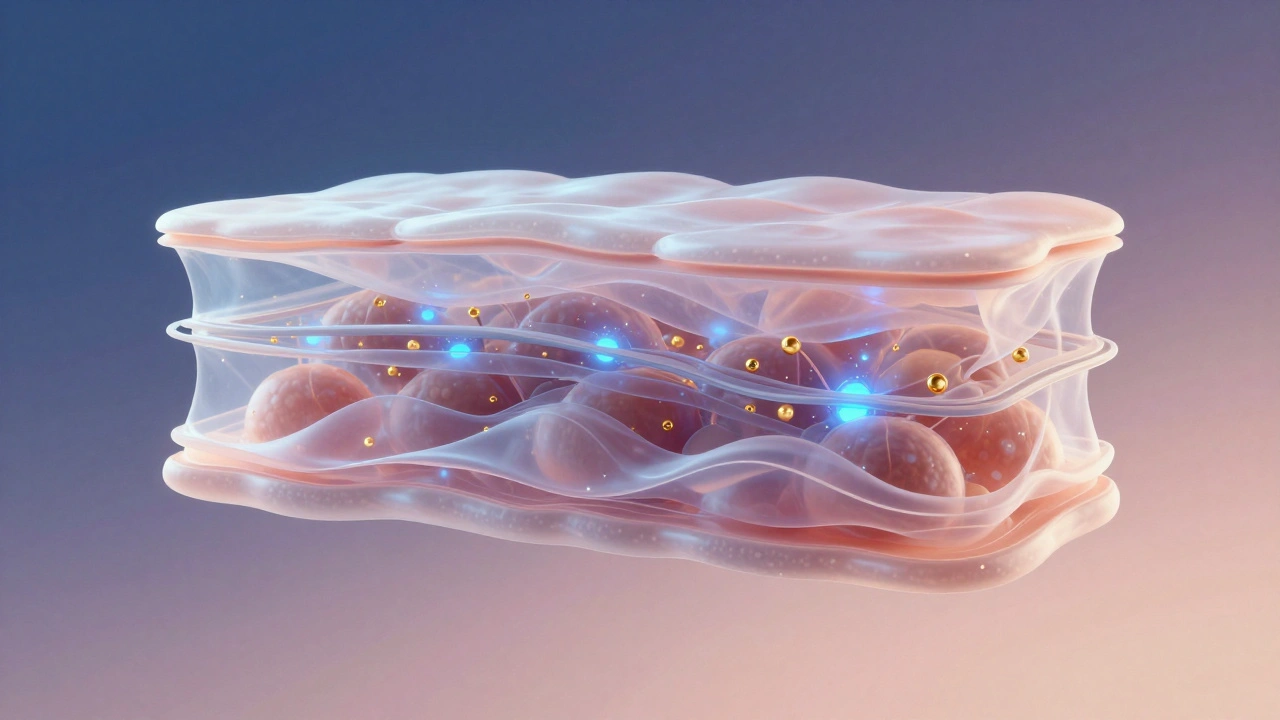
Why does the method change the outcome? Think of your skin barrier as a mesh net. Standard lotions are often too large to slip through easily. They coat the outside. However, lipophilic compounds found in essential oils interact differently. Because they are fat-soluble, they bind to the lipids in your cell walls. This allows active ingredients to migrate into the dermis rather than evaporating off the surface.
The massage strokes amplify this effect. As the therapist moves across your back or face, friction generates warmth. That heat dilates capillaries near the surface. Increased blood flow means oxygen and nutrients rush to the area, flushing out toxins stored in the subcutaneous tissue. When you add lymphatic drainage techniques-which gently push fluid toward the nodes-you help clear metabolic waste that causes dullness. It’s a mechanical flush combined with a chemical cleanse.
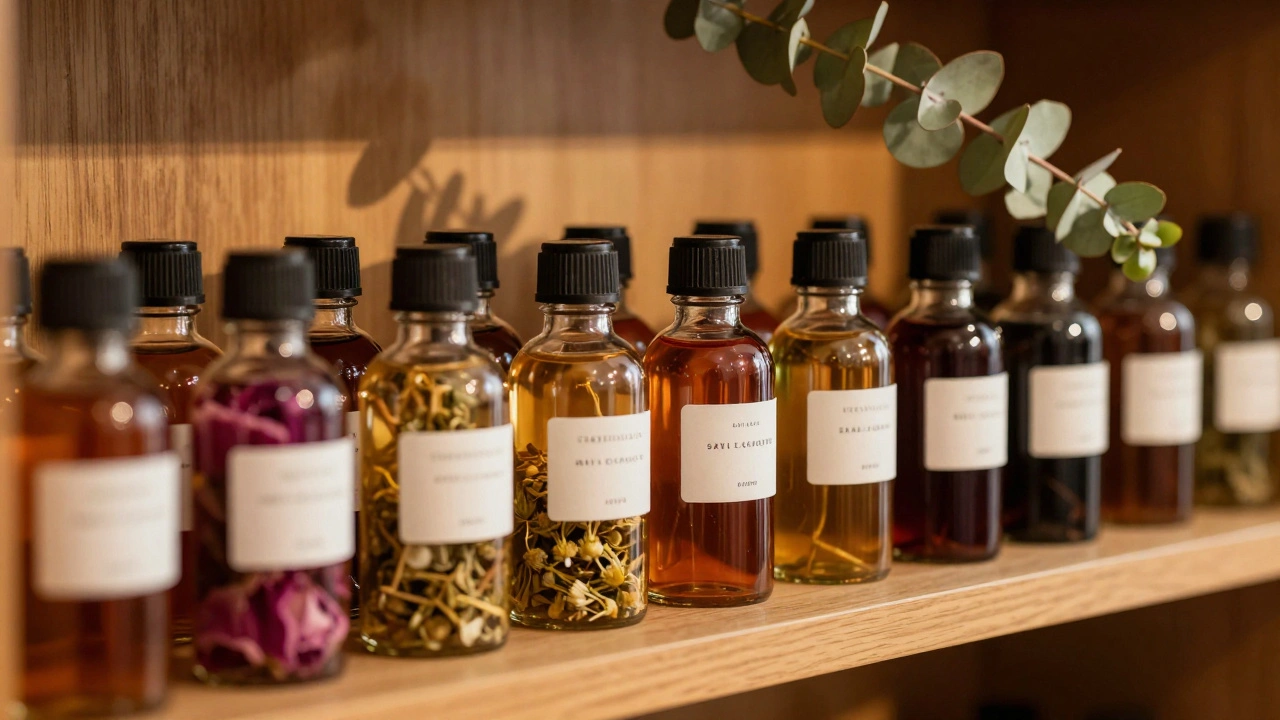
Choosing the Right Oils for Skin Goals
Not every blend works for every complexion. A professional therapist customizes the formula to address specific concerns. If you are prone to acne, you won’t get heavy coconut oil; you’ll get something lighter like grape seed paired with antimicrobial agents. Here are three common scenarios we see in clinics:
- Hydration Boost: Rose Otto or Sandalwood blended with sweet almond oil provides deep moisture without clogging pores.
- Anti-Inflammatory Action: Chamomile and Lavender calm redness caused by sensitivity or environmental exposure.
- Anti-Aging Support: Frankincense and Rosemary promote cellular regeneration and may tighten loose skin over time.
You should always discuss these options before booking. Some oils cause photosensitivity, meaning your skin becomes sensitive to UV rays immediately after use. Knowing which ones carry that risk is vital if you plan to go outside right after your appointment.
What Happens During a Session
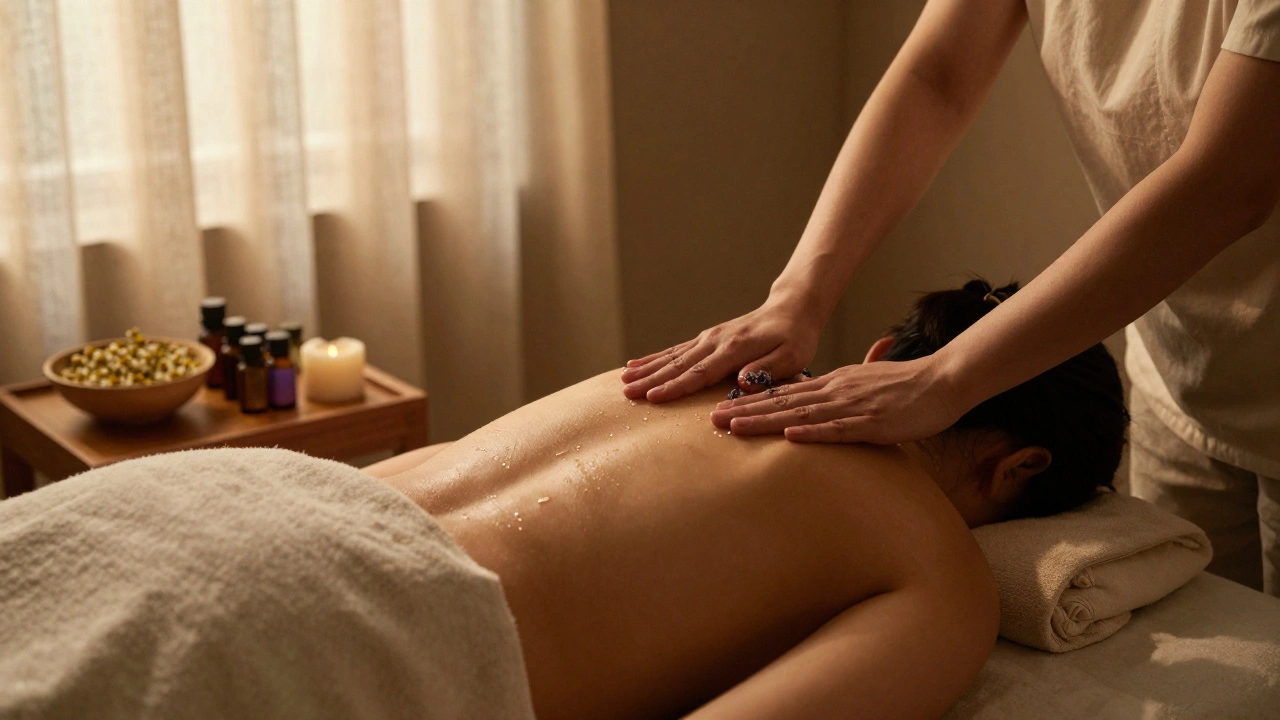
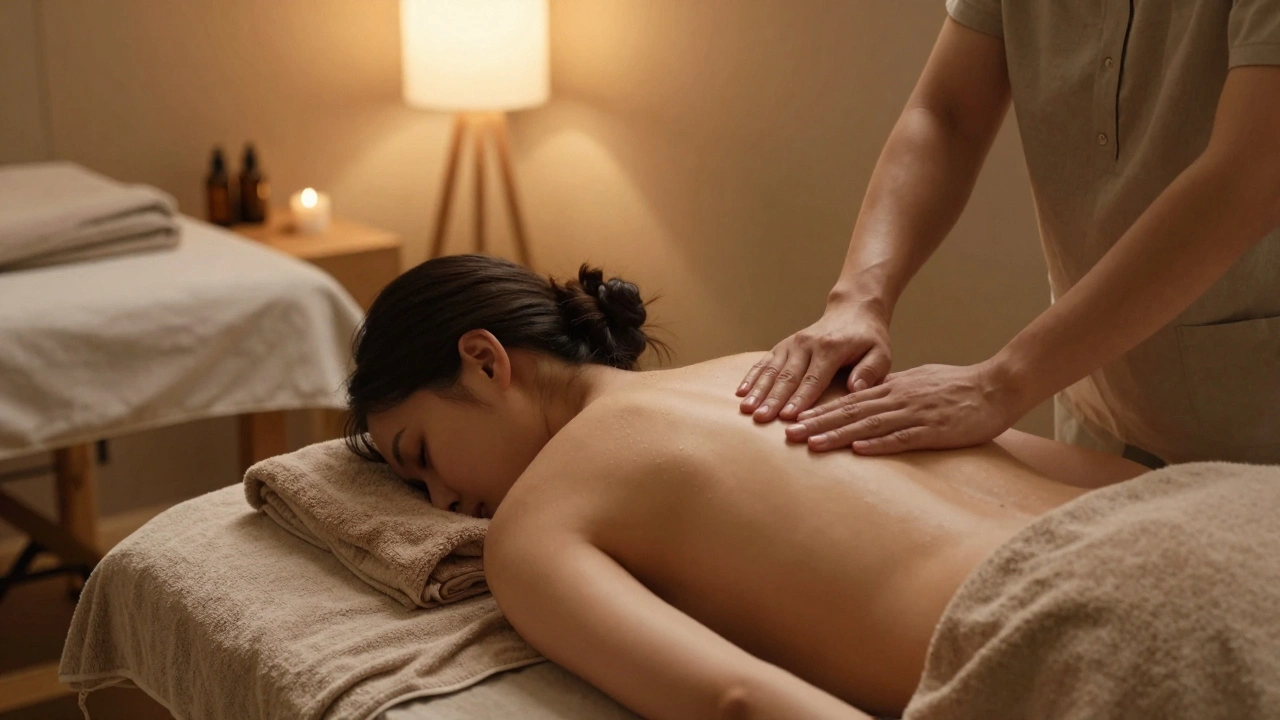
Your journey typically starts with a consultation. The therapist asks about your medical history, current medications, and skin type. Then comes the sensory prep. Lights dim, music softens, and the room warms up. The therapist pours the pre-mixed oil onto their hands to test the temperature-never apply cold oil to stressed skin.
The movement is rhythmic and deliberate. Long effleurage strokes spread the oil across broad surfaces, while petrissage (kneading) breaks down tension knots. Notice the speed; it’s usually slower than a sports massage. Why? Slow movement ensures better uptake of the aromatic molecules. Your senses pick up the scent, which tells your parasympathetic nervous system to shift into rest mode. Lower cortisol levels mean less breakdown of collagen. You leave feeling softer, but also calmer, because your stress hormones have dropped.
Benefits Beyond Surface Appearance
The visible glow is great, but the internal changes are lasting. Regular treatments improve sleep quality due to the sedative effects of oils like Lavender. Better sleep equals higher growth hormone release, which repairs damaged tissue at night. Furthermore, the lymphatic clearing reduces facial puffiness, giving eyes a more rested look without surgery.
Mental health plays a huge role here too. Stress manifests physically as tight jawlines, hunched shoulders, and even breakouts. Reducing that systemic stress lowers inflammatory markers in the body. A clear connection exists between a relaxed autonomic nervous system and healthy skin barrier integrity. When you stop fighting daily stress, your skin stops showing the damage.
Finding Quality Providers in London
Luckily for residents, London has a high density of qualified therapists. Areas like Chelsea and Kensington often house luxury day spas with certified aromatherapists. If you are looking on the side streets of Shoreditch or near Mayfair, read the reviews carefully. Look for mentions of "customized oil blends" rather than just "standard massage." True practitioners take notes on your specific skin reactions during previous visits.
Verify credentials. While regulations vary, reputable clinics adhere to standards set by bodies like the Federation Holistic Therapists or Complementary & Natural Healthcare Council. Ask if they use organic, cold-pressed essentials. Synthetic fragrances can irritate compromised skin barriers. A legitimate provider will happily show you the bottles used during your treatment to prove authenticity.
Cost and Logistics
Pricing varies depending on location and duration. A standard hour-long session in a mid-range London spa generally falls between £60 and £90. Luxury hotels may charge upwards of £120 for similar services, offering amenities like robe service and post-treatment refreshments. If you book monthly packages, you might save up to 15% compared to single bookings. Always check cancellation policies; many places require 24-hour notice to avoid fees.
Most therapists recommend bringing clean clothes afterward. Oil can stain delicate fabrics, so wear dark colors or bring a robe. Stay hydrated post-session to help flush out released toxins. Drinking water immediately helps maintain the hydration balance initiated by the oils.
Safety and Precautions
Skin health is delicate, and potent plants require respect. Never apply undiluted essential oil directly to your skin. It must be mixed with a carrier oil (usually at 2-3% concentration). Even natural substances can burn if misused. Perform a patch test on your inner arm 24 hours before your first full treatment.
Pregnant clients must inform therapists immediately. Certain oils like Clary Sage or Juniper are strictly prohibited during gestation due to potential uterine stimulation. Similarly, if you have high blood pressure or epilepsy, certain scents can trigger episodes. Full transparency with your practitioner ensures you get the benefits without the risks.
| Feature | Aromatherapy Massage | Standard Facial |
|---|---|---|
| Primary Focus | Holistic body balance + skin | Cleanliness + surface exfoliation |
| Oil Penetration | High (Lipophilic) | Moderate (Water-based) |
| Duration | 60-90 minutes | 45-60 minutes |
| Stress Relief | Deep Nervous System Reset | Mild Relaxation |
| Aftercare Needed | Drink water, stay warm | Avoid sun, skip makeup |
Frequently Asked Questions
Can aromatherapy massage treat serious skin conditions?
While highly beneficial for minor issues like dryness or mild redness, it acts as a supportive therapy rather than a cure for psoriasis, severe eczema, or infections. Always consult a dermatologist for diagnosed medical conditions before combining therapies.
How often should I schedule a session?
For optimal results, aim for a monthly visit. Consistency helps maintain hydration levels and keeps the nervous system balanced between treatments.
Is this suitable for oily skin types?
Absolutely. Lighter carrier oils like Jojoba mimic the skin's natural sebum, signaling the glands to produce less oil when used consistently.
Does the smell stay on my clothes?
It depends on the oil blend. Highly aromatic oils like Ylang Ylang linger longer than citrus blends. Washing hands post-session minimizes transfer to shirts.
Are there dietary restrictions after the treatment?
No strict rules exist, but avoiding alcohol or heavy caffeine helps your body process the detoxification started during the massage more effectively.
Ready to give your skin the care it truly deserves? Booking a session now ensures you don't lose track of your self-care routine in the busy weeks ahead.
Similar Posts

The Role of Aromatherapy Massage in Holistic Healing
Aromatherapy Massage for Insomnia: How Scents and Touch Bring Better Sleep
Struggling to fall asleep? Aromatherapy massage blends relaxing scents with soothing touch to calm your mind and body. This article breaks down how it works, what to expect during a session, and how you can find the right service for your needs. You'll learn which oils and techniques target sleep issues, plus get tips to get the most out of your visit. Whether you're curious or ready to book, everything you need to know to sleep better is right here.
Unlock the Secrets of Ultimate Relaxation with a Body Massage
Discover how body massage unlocks deep relaxation, reduces stress, and improves sleep. Learn the best types in London, how to choose a therapist, what to expect, and why this simple practice changes everything.