
Explore the most effective body massage types-from Swedish to deep tissue, Thai, hot stone, and sports massage. Learn how each works, who it’s for, and how to choose the right one for your needs.
- Created by: Archer Caldwell
- Completed on: 30 Dec 2025
- Categories: Thai Massage
You’ve felt it before-that deep, soothing pressure that melts away stress like butter on warm toast. But what if I told you that the roots of that feeling go back over 2,500 years, to a time when monks in northern Thailand mixed yoga, acupressure, and herbal wisdom into one powerful healing art? That’s Thai massage-not just a massage, but a living tradition passed down through generations.
What Exactly Is Thai Massage?
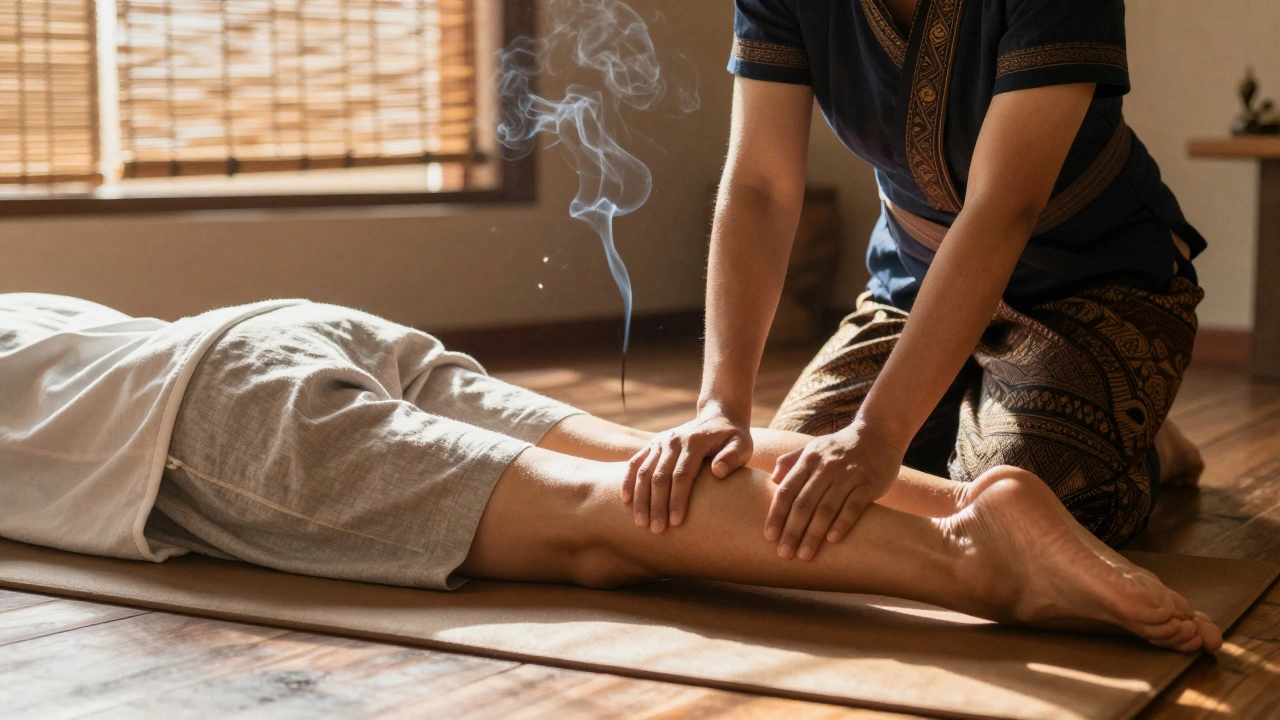
Thai massage, or Nuad Boran in Thai, means "ancient massage." It’s not like a Swedish massage where you lie still and get rubbed with oil. Instead, you stay fully clothed-usually in loose, comfortable clothes-and the therapist uses their hands, thumbs, elbows, knees, and even feet to guide your body through a series of yoga-like stretches and deep pressure points.
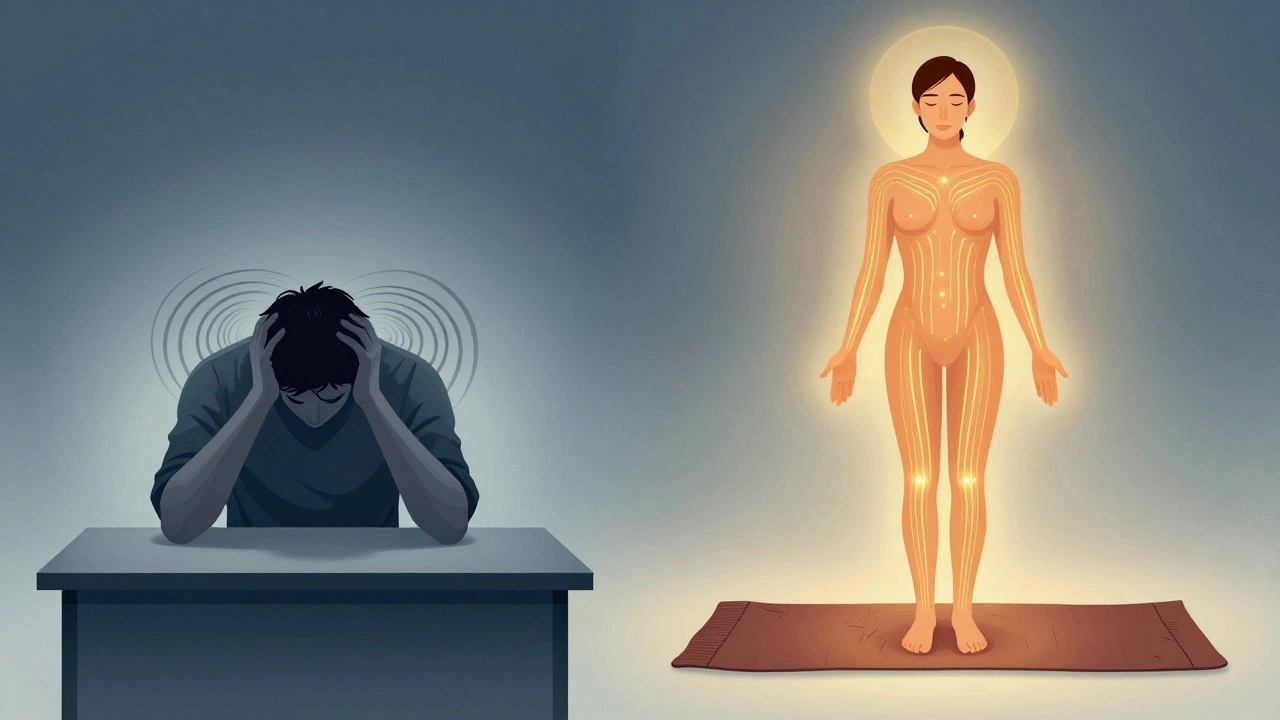
It’s often called "yoga for the lazy" because you don’t have to do anything except breathe. The therapist moves you into positions you couldn’t reach on your own, applying rhythmic pressure along energy lines called sen lines. These aren’t nerves or blood vessels-they’re ancient Thai concepts of energy channels, similar to acupuncture meridians. There are 10 main sen lines, and blockages here are believed to cause pain or illness.
Unlike Western massage, which often focuses on muscles, Thai massage works on the whole system: joints, tendons, energy flow, and even your breath. It’s physical, but it’s also deeply meditative-for both you and the therapist.
Why It Works: The Real Benefits
Let’s cut through the fluff. What does Thai massage actually do for you?
- Reduces chronic pain: A 2020 study in the Journal of Bodywork and Movement Therapies found that people with lower back pain saw significant improvement after just six Thai massage sessions-better than those who only did stretching.
- Improves flexibility: After one session, most people notice they can bend farther, twist easier, and stand taller. That’s because it gently releases tight fascia and joint restrictions you didn’t even know you had.
- Calms the nervous system: The rhythmic pressure and slow movements trigger your parasympathetic response-the "rest and digest" mode. Your heart rate drops, your breathing slows, and your mind finally stops racing.
- Boosts circulation: The compressions and stretches help move blood and lymph fluid, which means faster recovery after workouts and less swelling in your legs.
- Relieves tension headaches: Many people report their migraines and tension headaches ease after a focused head and neck session. It’s not magic-it’s pressure on the right points along the sen lines.
I’ve seen clients come in with stiff necks from staring at screens all day. After one session, they walk out like they’ve had a full night’s sleep. One woman told me, "I didn’t know I could breathe that deeply again."
How It’s Different from Other Massages
Let’s compare Thai massage to what you might be used to.
| Feature | Thai Massage | Swedish Massage |
|---|---|---|
| Attire | Full clothing (loose cotton) | Nude under towel |
| Oil or lotion | None | Yes |
| Pressure | Deep, rhythmic, active | Light to medium, flowing |
| Technique | Stretching, acupressure, joint mobilization | Effleurage, petrissage, tapping |
| Duration | 60-120 minutes | 60 minutes typical |
| Energy focus | Yes (sen lines) | No |
Thai massage is more like a guided movement session than a relaxation rubdown. It’s not about making you feel sleepy-it’s about making you feel reborn.
Where to Find Authentic Thai Massage in London
London has dozens of places offering "Thai massage," but not all are real. Some are just Swedish with a Thai-sounding name. Here’s how to spot the real thing:
- Look for Thai-trained therapists: Ask if they trained in Thailand-ideally at Wat Pho in Bangkok, the original temple school that still teaches the tradition.
- Check the space: Authentic places use mats on the floor, not massage tables. You’ll be on a padded mat, often with incense burning and soft Thai music playing.
- Watch the technique: If they’re just kneading your shoulders with oil, it’s not Thai massage. Look for therapists using their feet, elbows, or guiding your legs into deep stretches.
Some trusted spots in London include:
- Wat Pho London (Soho)-run by a master trained directly in Bangkok.
- The Thai Healing Centre (Camden)-offers traditional 90-minute sessions with herbal compresses.
- Thaiprakai (Brixton)-small, quiet, and deeply authentic.
Don’t be afraid to ask: "Did you train in Thailand?" A good therapist will smile and tell you their story.

What Happens During Your First Session
Walk in wearing loose pants and a T-shirt. No need to shower beforehand-Thai massage works best on natural skin.
You’ll lie on a mat on the floor. The therapist will start at your feet, using their thumbs to press along the soles, then move up your legs, hips, back, arms, and head. You’ll be gently pulled into stretches-like a seated forward fold, a spinal twist, or a leg lift that feels impossible until you’re in it.
There’s no talking. No music blasting. Just quiet breathing and the occasional soft "breathe in... breathe out..." from your therapist. Some people fall asleep. Others cry. One man I know said he remembered his childhood in Thailand during his first session-he hadn’t thought about it in 40 years.
Afterward, you might feel a little sore, like after a good workout. That’s normal. But within a few hours, you’ll feel lighter, clearer, and oddly calm.
Pricing and Booking
In London, a 60-minute Thai massage typically costs between £55 and £85. A 90-minute session runs £80-£120. Anything under £40 is likely not authentic-it takes skill, time, and physical strength to do this properly.
Booking is easy. Most places let you book online, but if you want the best therapist, call and ask for someone who trained in Thailand. Weekday afternoons are quieter and often cheaper. Avoid Friday nights-those are the busiest, and therapists are tired.
Tip: Some places offer a first-time discount. Always ask.
What to Avoid
Thai massage is safe for most people-but not everyone.
- Don’t do it if you’re pregnant-unless you’ve seen a specialist trained in prenatal Thai massage. Standard sessions can be too intense.
- Avoid it after surgery or if you have recent fractures, severe osteoporosis, or blood clots.
- Tell your therapist if you have any pain, injuries, or conditions. They can modify the session.
- Don’t eat a heavy meal right before. A light snack is fine.
And please-don’t wear tight jeans or leggings. You need to move.
Can You Learn Thai Massage?
Yes. And you don’t need to fly to Bangkok.
Several schools in London offer weekend workshops for beginners. You’ll learn basic stretches, pressure points, and how to use your body efficiently so you don’t hurt your own wrists. Some people take it up as a side hustle. Others do it for their family.
One Londoner, a teacher named Lisa, started taking weekend classes after her husband had a back injury. Now she gives weekly sessions to friends and calls it "the best gift I ever gave myself."
Frequently Asked Questions
Is Thai massage painful?
It can feel intense, but it shouldn’t hurt. Good Thai massage is deep but never sharp. If you feel pain, say so. A skilled therapist will adjust. The sensation is often described as "good pain"-like when a tight knot finally releases.
How often should I get Thai massage?
Once a month is great for maintenance. If you’re dealing with chronic pain or stress, once every two weeks helps. Some people do it weekly for a few weeks and then cut back. Listen to your body.
Do I need to be flexible to try Thai massage?
No. That’s the whole point. Thai massage works with your current range of motion. The therapist adapts to you-not the other way around. If you can’t touch your toes, that’s fine. They’ll work within your limits.
Can Thai massage help with anxiety?
Yes. The combination of deep pressure, rhythmic breathing cues, and the quiet, focused environment activates the vagus nerve-the body’s natural calm switch. Many clients report feeling less anxious for days after a session.
Why do I feel tired after Thai massage?
Because your body just did a lot of work-even though you didn’t move. The stretches and pressure release stored tension, and your nervous system shifts from "fight or flight" to "rest and digest." That’s exhausting in a good way. Drink water, rest, and don’t schedule anything intense afterward.
Ready to Feel the Difference?
Thai massage isn’t just another spa treatment. It’s a bridge to an ancient way of healing-one that doesn’t rely on pills, machines, or fancy tech. It uses the body’s own wisdom, passed down by monks, healers, and teachers who knew that true relief comes from movement, breath, and presence.
If you’ve been carrying stress in your shoulders, stiffness in your hips, or just that dull ache of modern life, it’s time to try something that’s stood the test of time. Book a session. Let go. And see what ancient secrets still work today.
Similar Posts

The Ultimate Guide to Different Types of Body Massages
Unwind with Authentic Thai Massage in London: Your Guide to True Serenity
Discover authentic Thai massage in London-how it works, where to find real practitioners, what to expect, and how it differs from other massage types. Unwind with a tradition that resets your body and mind.
Thai Massage for Sleep: How Ancient Techniques Relieve Insomnia
Explore how Thai massage helps you fall asleep faster, improves sleep quality, and tackles insomnia. Practical tips, session insights, and answers to FAQs included.
Taranveer Dhiman
December 31, 2025 AT 21:21OMG this is literally the most profound thing I’ve ever read 🙏✨ I mean, have you ever considered that Thai massage is basically ancient biohacking? Like, monks in 500 BCE were already optimizing nervous system function before we had fMRI machines 😭 I’m crying. I booked a session after reading this and now I’m basically a spiritual warrior. Namaste in bed, y’all.
Steven Williams
January 2, 2026 AT 04:09Authentic Thai massage isn’t about relaxation-it’s about structural realignment. Wat Pho’s curriculum is 3 years minimum. If your therapist doesn’t use their feet or know the 10 sen lines by name, you’re getting a watered-down version. Stick to the spots listed here-they’re legit.
Danny Burkhart
January 2, 2026 AT 11:58Okay but WHAT. WAS. THAT. LAST. PARAGRAPH?!?!?!
"Let go. And see what ancient secrets still work today."
Bro. I just cried in a yoga pants store. That’s not a massage-that’s a soul reset. I’m telling my boss I need a mental health day. And by mental health day, I mean a 90-minute Thai massage with herbal compresses and zero judgment. 🥹🔥
Mike Gray
January 3, 2026 AT 16:43My buddy got this done after his car accident and said he felt like a new person. No pills, no surgery-just someone using their hands and feet to help him breathe again. I was skeptical, but now I’m booking one for my mom. She’s been stiff since 2018. This feels like the kind of thing that actually helps.
Swapnil Dicholkar
January 3, 2026 AT 20:10I’ve been doing this for years, and I still get choked up when someone says, 'I didn’t know I could breathe that deeply again.' It’s not just the stretches-it’s the silence, the rhythm, the way the therapist holds space for you without saying a word. I’ve seen people cry, laugh, and even remember lost loved ones during sessions. It’s not magic. It’s humanity. And yeah, wear loose pants. Trust me.