
Explore the science of deep tissue massage, its benefits, how it works, pricing, safety tips, and FAQs to help you decide if it's right for you.
- Created by: Elara Wainwright
- Completed on: 5 Mar 2026
- Categories: Massage Therapy
You’ve probably seen ads for both deep tissue massage and Swedish massage-maybe even got confused by the prices, the pressure, or the promise of "total relaxation." So which one actually helps you? If you’re sitting here wondering whether to go for the bone-deep work or the gentle flow, you’re not alone. Let’s cut through the noise and tell you exactly what each one does, who it’s for, and how to pick the right one for your body.
Quick Takeaways
- Deep tissue massage targets chronic tension, sports injuries, and stiff muscles with firm pressure.
- Swedish massage is all about relaxation, circulation, and stress relief with light to medium strokes.
- If you’re sore from sitting all day or recovering from a workout, deep tissue might be your go-to.
- If you’re stressed, anxious, or just need to unwind, Swedish is the smoother, gentler pick.
- You can combine both-many therapists offer hybrid sessions tailored to your needs.
What’s the Real Difference?
At first glance, both massages use hands, fingers, and elbows. But the goals? Totally different.
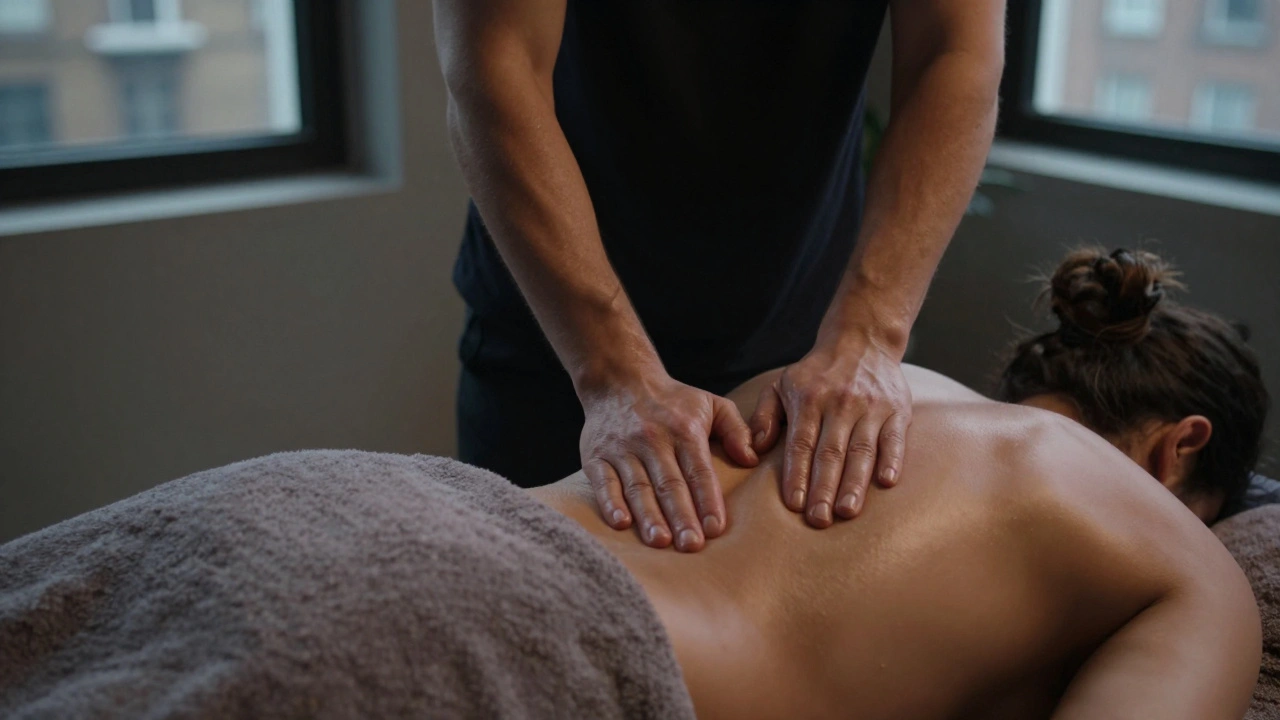
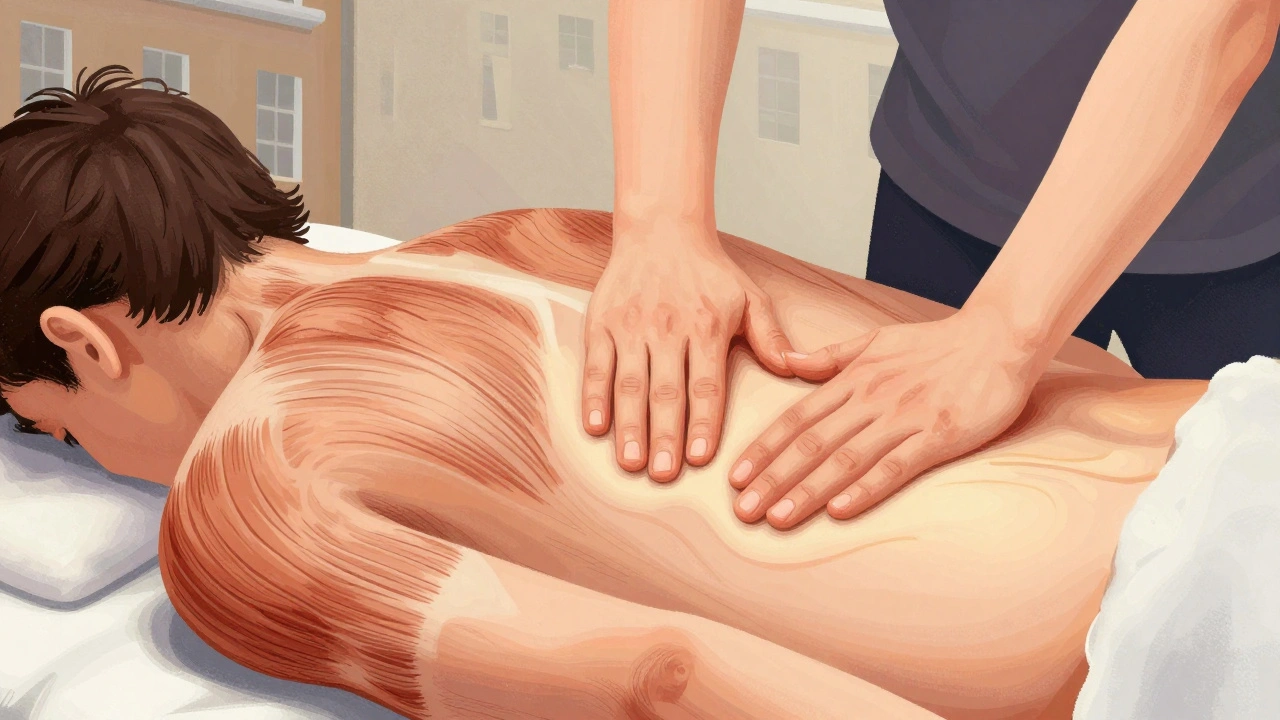
Deep tissue massage isn’t about feeling good in the moment-it’s about fixing what’s broken underneath. Think of it like cleaning out a clogged drain. The therapist works slowly, targeting the deepest layers of muscle and connective tissue. You’ll feel pressure-sometimes intense-but it’s not about pain. It’s about breaking up adhesions, scar tissue, and knots that have built up over months or years. This is the massage you book after a long haul of desk work, after a marathon, or when your shoulders feel like they’re made of concrete.
Swedish massage, on the other hand, is the classic spa experience. Long, flowing strokes, gentle kneading, and rhythmic tapping. It’s designed to relax your nervous system, improve blood flow, and melt away surface tension. No digging. No cracking. Just calm. If you’ve ever left a Swedish session feeling like you floated out of the room, that’s the point.
Who Gets the Most Out of Each?
Deep tissue is for you if:
- You have persistent muscle tightness in your neck, lower back, or hips.
- You’ve had a sports injury or surgery and need scar tissue broken down.
- You sit for 8+ hours a day and feel stiff every morning.
- You’ve tried relaxation massages but still feel "locked up."
Swedish is for you if:
- You’re dealing with stress, anxiety, or insomnia.
- You want to feel calm, not worked over.
- You’re new to massage or sensitive to pressure.
- You’re looking for a regular maintenance routine-not a fix.
Here’s a real example: A client came in last month after three weeks of back pain from lifting heavy boxes. She’d tried Swedish before-felt nice, but the pain came back. We switched to deep tissue. Two sessions later, she could bend over to tie her shoes without wincing. Another client, a teacher with chronic stress headaches, gets a weekly Swedish massage. She says it’s the only thing that lets her sleep through the night.
What Happens During Each Session?
Deep tissue session: You’ll likely be asked to breathe deeply as the therapist applies pressure. They might use their forearm, knuckles, or even a tool to get into stubborn areas. It’s common to feel some soreness the next day-like after a tough workout. That’s normal. Hydrate well afterward. You’ll probably be on your stomach or side, and the therapist will focus on specific problem zones, not your whole body.
Swedish session: This is the full-body experience. You’ll lie on your back, then your side, then your stomach. The oil glides smoothly. The rhythm is slow and steady. You might hear soft music, dim lights, and maybe even the scent of lavender. The goal? To make you feel like you’re floating. No deep probing. No holding your breath. Just surrender.

How Do They Compare in London?
In London, both are widely available-but the experience can vary. A deep tissue session in Shoreditch might feel more clinical, with therapists who specialize in sports rehab. A Swedish massage in Notting Hill might come with heated tables, candlelight, and a post-session herbal tea.
Here’s how they stack up side by side:
| Feature | Deep Tissue Massage | Swedish Massage |
|---|---|---|
| Pressure Level | Medium to firm | Light to medium |
| Primary Goal | Release chronic tension, break down scar tissue | Relax muscles, reduce stress, improve circulation |
| Best For | Athletes, desk workers, injury recovery | Stressed professionals, first-timers, relaxation seekers |
| Session Length | 60-90 minutes | 60 minutes (standard) |
| Post-Session Feel | Sore, then deeply relieved | Light, calm, sleepy |
| Typical Cost in London | £65-£110 | £55-£95 |
| Frequency Recommended | Every 3-6 weeks | Every 2-4 weeks |
What to Expect When Booking in London
Most therapists in London will ask you a few questions before you even lie down: "Where do you feel the tightness?" "Any injuries?" "Do you prefer deep pressure?" This isn’t just politeness-it’s how they tailor the session.
Book through trusted platforms like TherapyHub, MassageNow, or local wellness studios in Camden, Clapham, or Islington. Many offer 15-minute free consultations to help you decide. Don’t be shy to ask: "Do you do deep tissue?" or "Is this more Swedish-style?" A good therapist won’t push you into one style-they’ll help you choose.
What About Pain? Is Deep Tissue Supposed to Hurt?
No. And this is a big myth.
Deep tissue isn’t about enduring pain. It’s about working through discomfort. If the pressure feels sharp, burning, or like it’s going into a nerve? Speak up. A good therapist will adjust. You should feel a "good hurt"-like a deep stretch. Not a "I need to scream" hurt.
Swedish, by contrast, should never hurt. If you’re tensing up because it’s too firm, it’s not Swedish anymore. Tell them. That’s why communication matters more than the technique.
Can You Combine Both?
Yes-and many London therapists offer it.
Some clinics now offer a "Hybrid Massage"-20 minutes of Swedish to warm up your muscles, then 40 minutes of deep tissue on problem areas. It’s perfect if you’re stressed but also have that one spot that never lets go.
Another common combo: Swedish before a sports event to loosen up, deep tissue after to repair damage. It’s not either/or-it’s both/and.
When to Avoid Each Type
Don’t get deep tissue if you:
- Have an acute injury (like a recent sprain or strain).
- Are pregnant (unless you’re with a certified prenatal therapist).
- Have osteoporosis, blood clots, or are on blood thinners.
Don’t get Swedish if you:
- Have chronic muscle pain that hasn’t improved with relaxation.
- Feel like you need more than just "calm"-you need real structural change.
Always consult your doctor if you have medical conditions. A good therapist will ask for your history-but you should be ready with it too.
How to Choose: A Simple Decision Tree
Still unsure? Ask yourself:
- Do you feel stiff, tight, or locked up most days? → Go for deep tissue.
- Do you feel mentally drained, anxious, or sleep poorly? → Go for Swedish.
- Are you recovering from an injury or intense training? → Deep tissue (after initial healing).
- Is this your first massage ever? → Start with Swedish.
- Do you want to feel better and relaxed? → Try a hybrid.
There’s no "right" answer for everyone. But there’s a right answer for you.
Frequently Asked Questions
Can deep tissue massage help with sciatica?
Yes, but only if the root cause is muscular-like tight piriformis muscle pressing on the sciatic nerve. Deep tissue can release that tension. But if it’s from a herniated disc or spinal issue, massage alone won’t fix it. Always get a diagnosis first.
Is Swedish massage good for anxiety?
Absolutely. Studies show that regular Swedish massage lowers cortisol (the stress hormone) and increases serotonin and dopamine. Many Londoners use it as part of their mental health routine-especially those working long hours or in high-pressure jobs.
How often should I get either massage?
For deep tissue: every 3-6 weeks if you’re addressing a specific issue. For maintenance, once a month. For Swedish: every 2-4 weeks is ideal for stress management. If you’re highly stressed or sedentary, weekly can help-but don’t overdo it. Your muscles need time to recover.
Do I need to undress completely?
No. You’re covered with a towel the whole time. Only the area being worked on is exposed. Most people keep their underwear on. If you’re uncomfortable, say so. A good therapist will respect your boundaries.
Are there any side effects?
Deep tissue can leave you sore for 24-48 hours. Drink water, take an Epsom salt bath, and avoid intense exercise the next day. Swedish rarely has side effects-some people feel sleepy or emotionally released. Both are normal.
Final Thought
There’s no trophy for choosing the "strongest" massage. The best one is the one that leaves you feeling like you’ve been heard-not hammered. If your body’s screaming for release, go deep. If it’s just asking for peace, go soft. Either way, you’re taking a step toward feeling like yourself again. And that’s worth more than any price tag.
Similar Posts


Deep Tissue Massage Science: Key Facts You Need to Know
10 Surprising Benefits of Deep Tissue Massage You Need to Know
Discover why deep tissue massage isn’t just for sore athletes. This article lays out 10 unexpected perks that go way beyond easing muscle knots. From improving sleep to supporting mental health, you’ll find out why booking that next session might be the best thing for your body and mind. Plus, get practical tips for choosing the right therapist and knowing what to expect. Perfect if you’re new to this massage style or just looking for more reasons to love it.
Deep Tissue Massage: The Secret to Improved Flexibility
Deep tissue massage isn't just about relaxation - it's the key to unlocking lasting flexibility. Learn how it breaks down stubborn muscle tension, improves movement, and helps you move freely again.