
Discover how deep tissue massage can be an effective tool for improving mental health. This article delves into the ways massage therapy reduces stress, anxiety, and depression, offering readers practical tips on finding qualified therapists and understanding what to expect during a session. Explore various types available in Bristol and learn about the safety measures to ensure a beneficial experience.
- Created by: Liam Redgate
- Completed on: 11 Jan 2026
- Categories: Deep Tissue Massage
You’ve probably felt it - that stubborn tightness in your shoulders after a long day at the desk, or the knot in your lower back that won’t budge no matter how much you stretch. You roll out your yoga mat, you foam roll until your ribs scream, and yet… nothing changes. That’s because some tightness isn’t just about being stiff. It’s about deep tissue adhesions - layers of muscle and connective tissue that have glued themselves together over time. And that’s where deep tissue massage doesn’t just help - it transforms.
What Deep Tissue Massage Actually Does
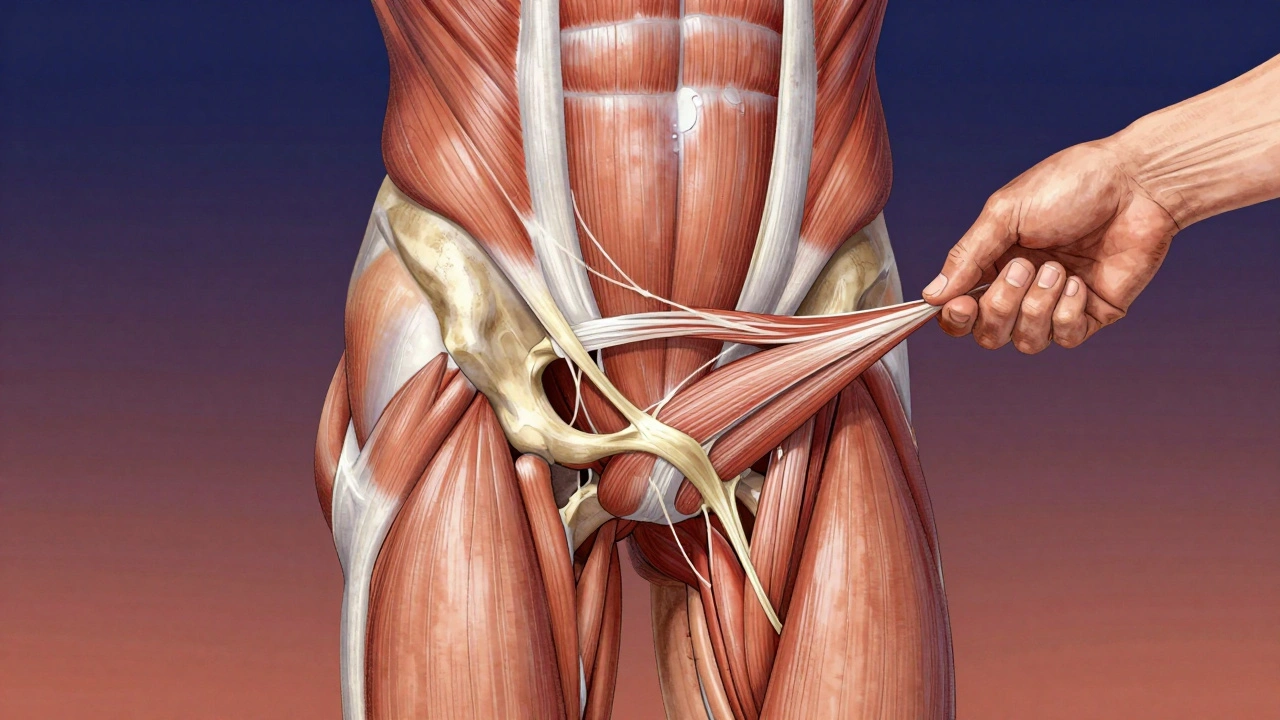
Deep tissue massage isn’t just a stronger version of Swedish massage. It’s a different technique entirely. While Swedish uses long, flowing strokes to relax surface muscles, deep tissue targets the deeper layers - the fascia, the tendons, the muscle bellies that have been chronically tense for months or even years. Think of it like peeling back layers of an onion, but instead of tears, you get relief.
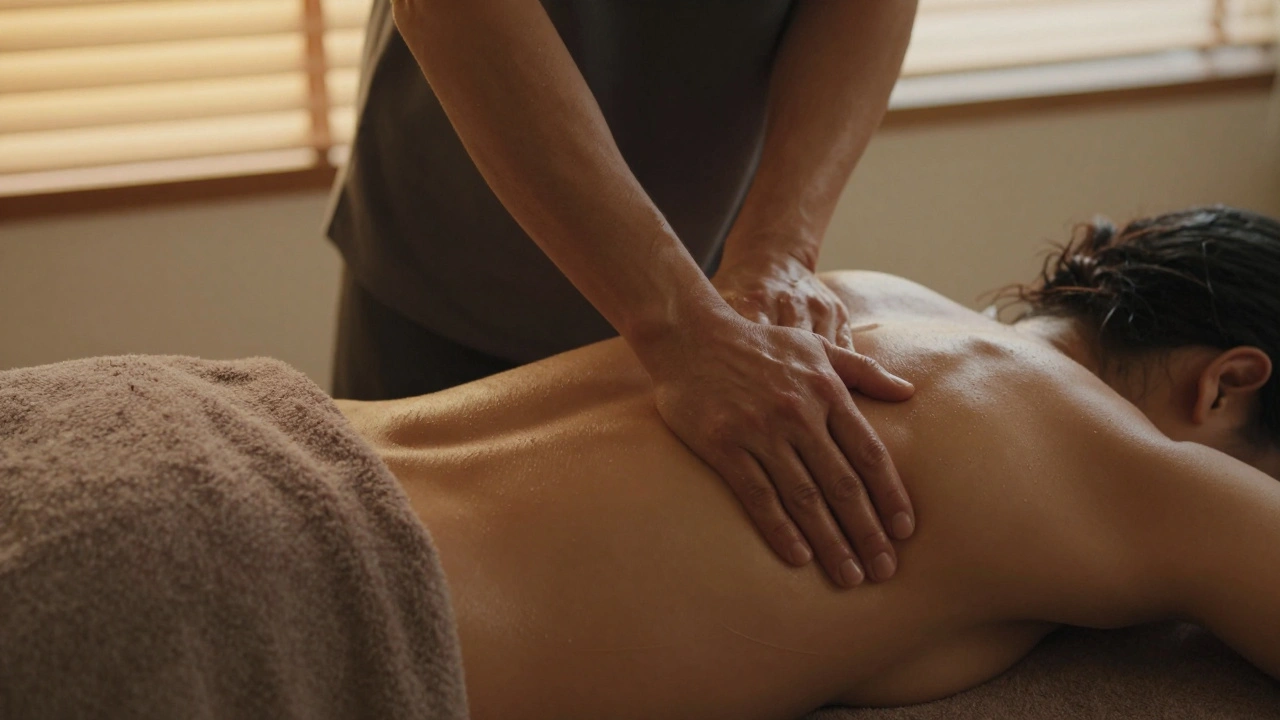
Therapists use slow, deliberate pressure - often with elbows, forearms, or knuckles - to break up scar tissue and adhesions. These are the sticky, fibrous bands that form when muscles are overused, injured, or held in one position too long (hello, desk job). When these adhesions loosen, your muscles regain their natural glide. That’s when flexibility starts to improve - not because you’re stretching harder, but because your body can finally move the way it was meant to.
Why Flexibility Isn’t Just About Stretching
Most people think flexibility means touching your toes. But real flexibility? It’s about having control over your full range of motion without pain or restriction. You can be incredibly bendy and still feel stiff because your muscles are stuck in tension.
Studies show that deep tissue massage increases muscle compliance - meaning your muscles become more responsive and less resistant to movement. A 2023 study in the Journal of Bodywork and Movement Therapies found that participants who received biweekly deep tissue sessions for six weeks improved their hip flexion by 22% and hamstring length by 18%, without doing any extra stretching. That’s not luck. That’s physics.
When you massage deep into the tissue, you stimulate mechanoreceptors - nerve endings that tell your brain, “Hey, this area is safe to move.” That reduces protective tension. Your body stops guarding the area. And suddenly, that tight hamstring? It lets go.
Who Benefits Most From This?
You don’t need to be an athlete to need deep tissue work. In fact, most of the people I see in my London clinic aren’t runners or gym-goers. They’re teachers hunched over whiteboards, nurses on their feet all day, programmers staring at screens for 10 hours straight. Their bodies adapt - and then they lock up.
Here’s who sees the biggest gains:
- People with chronic lower back pain from sitting
- Those with tight shoulders from phone use or carrying bags
- Post-injury patients (after sprains or strains) who’ve plateaued in rehab
- Anyone who’s tried foam rolling and felt like it barely made a dent
It’s not about being “tight.” It’s about being stuck. And deep tissue massage is the reset button.
What Happens During a Session?
Don’t expect a relaxing spa experience. This isn’t aromatherapy with lavender oil and soft music (though you can ask for it - more on that later). Deep tissue is focused, intentional, and sometimes intense.
You’ll lie on a table, usually in loose clothing or draped with a towel. The therapist will start by warming up the surface layers with light strokes. Then, they’ll move deeper - targeting specific areas like the iliotibial band, the piriformis, or the thoracic spine. You might feel a burning or deep ache. That’s normal. It’s not pain that makes you want to jump off the table - it’s the kind of ache that says, “Oh. That’s the spot.”
Communication is key. Tell your therapist if it’s too much. Good therapists will adjust pressure on the fly. They’ll check in: “Is this the right depth?” “Does that feel like the tension you’ve been carrying?”
Afterward, you might feel sore for 24-48 hours - like you’ve done a tough workout. That’s your body repairing and reorganizing. Drink water. Move gently. Don’t skip your walk.
How Often Should You Get It?
One session won’t undo years of tension. But it can open the door.
For most people, starting with weekly sessions for 3-4 weeks gives your body time to adapt. Then, you can drop to every two weeks, then monthly - like a tune-up for your nervous system.
If you’re recovering from an injury or dealing with chronic pain, your therapist might suggest a more structured plan: 6 sessions over 8 weeks, followed by maintenance. Some people keep going monthly because they notice the difference - better sleep, less morning stiffness, easier squats, no more “I can’t reach my back” moments.
Deep Tissue vs. Sports Massage: What’s the Difference?
| Aspect | Deep Tissue Massage | Sports Massage |
|---|---|---|
| Primary Goal | Break down chronic adhesions and restore tissue mobility | Enhance athletic performance and prevent injury |
| Pressure | Consistently deep, slow, targeted | Varies - can be deep or light, depending on phase |
| Focus Areas | Chronic tension zones (back, neck, hips) | Specific muscles used in sport (quads, calves, shoulders) |
| Timing | Anytime - for long-term release | Pre-event (light), post-event (recovery), or maintenance |
| Best For | Desk workers, chronic pain, post-injury stiffness | Athletes, runners, gym regulars, active individuals |
Think of deep tissue as fixing the foundation. Sports massage is like tuning the engine. You can do both - but if your foundation is cracked, no amount of tuning will fix the shake.
What to Look for in a Therapist
Not all massage therapists are trained in deep tissue. Some call themselves “deep tissue” but just press harder. That’s not the same thing.
Look for:
- Certification in neuromuscular therapy, myofascial release, or orthopedic massage
- Experience working with chronic pain or postural issues
- Willingness to ask questions about your history - injuries, surgeries, pain patterns
- Clear communication - they explain what they’re doing and why
In London, clinics like Bodywork Therapy Studio in Camden or The Muscle Clinic in Shoreditch specialize in this. Ask if they use techniques like trigger point therapy or cross-fiber friction - those are signs they know what they’re doing.
What to Avoid
Deep tissue isn’t for everyone. Skip it if you have:
- Recent fractures or acute injuries
- Blood clots or vascular disease
- Severe osteoporosis
- Active infections or fever
- Are on blood thinners - talk to your doctor first
Also, avoid it right before a big event. You don’t want to be sore on race day or a big presentation. Schedule it a few days before, not the night before.

Can You Do It at Home?
Tools like foam rollers and massage guns help - but they can’t replace hands-on therapy. Why? Because they can’t adapt. A therapist feels the difference between a muscle knot and a nerve irritation. A roller just presses.
That said, you can support your sessions. Use a lacrosse ball to roll out your glutes or the back of your thighs. Spend 2-3 minutes per side after your massage. Hydrate. Move. Don’t sit for more than 45 minutes straight.
And if you’re feeling tight? Try this: Lie on your back, knees bent. Place a tennis ball under your shoulder blade. Gently roll side to side for 60 seconds. It’s not glamorous. But it’s effective.
Real Results: What People Say
One client, Sarah, a 42-year-old teacher, came in saying she couldn’t bend over to tie her shoes without groaning. After three deep tissue sessions focused on her hamstrings and lower back, she could touch her toes. Not because she stretched more - because her body stopped fighting her.
Another, Mark, a 38-year-old software engineer, had shoulder pain for five years. He’d tried physio, yoga, acupuncture. Nothing stuck. After six sessions targeting his pec minor and upper traps, his posture changed. His headaches disappeared. He started sleeping better.
This isn’t magic. It’s biomechanics.
FAQ: Your Questions About Deep Tissue Massage Answered
Does deep tissue massage hurt?
It should feel intense, not painful. Think of it as a “good hurt” - like when a tight muscle finally releases. If you’re wincing, clenching your teeth, or holding your breath, speak up. A good therapist will adjust. Pain means your body is tensing up - which is the opposite of what you want.
How long until I see results?
Some people feel looser after one session. Real, lasting flexibility gains usually show up after 3-4 sessions. Think of it like building muscle - consistency matters. One session is a spark. Four sessions are the fire.
Can deep tissue massage help with sciatica?
It can help - if the sciatica is caused by tight glutes or piriformis muscle pressing on the nerve. Deep tissue can release that tension and reduce pressure. But if it’s from a herniated disc, massage won’t fix the root cause. Always get a diagnosis first.
Is deep tissue massage worth the cost?
In London, sessions range from £60-£90 for 60 minutes. Compare that to the cost of ongoing physio, painkillers, or lost productivity from chronic stiffness. If you’re spending hours every week trying to stretch your way out of pain, this is a smarter investment. One session can give you days of relief - a series can change how you move for months.
Will I be sore afterward?
Yes, for 1-2 days. It’s normal. Drink water, take a warm bath, and do light movement like walking. Avoid intense workouts. Soreness means your muscles are healing. If it lasts longer than 72 hours or feels sharp, contact your therapist.
Ready to Move Freely Again?
You don’t have to live with tight muscles. You don’t have to stretch harder. You just need to unlock what’s stuck. Deep tissue massage isn’t a luxury - it’s a tool for reclaiming your body’s natural movement. Whether you’re sitting at a desk, chasing kids, or training for a marathon, flexibility isn’t about how far you can reach. It’s about how freely you can move.
Book your first session. Give your body the chance to let go. You might just find you can reach that shelf… without groaning.
Similar Posts



Deep Tissue Massage: Your Mental Health Ally
Indian Massage in London: Boost Your Mood and Wellbeing
Discover how an Indian massage in London can instantly lift your mood. Learn about techniques, benefits, what to expect, and how to book the best session near you.
Deep Tissue Massage: A Natural Remedy for Chronic Pain
Struggling with chronic pain can really drain your energy, but deep tissue massage offers real, hands-on relief without relying on medication. This article explains how deep tissue massage works, what makes it different, and why more people are turning to it for pain management. We’ll break down what happens during a session, what benefits you can expect, and key safety tips. Want to know if it’s right for you? Everything you need to make an informed choice is covered here.
Zakaria SANKARA
January 13, 2026 AT 09:25So you're telling me all this time I thought stretching was the answer, but it was just my muscles being held hostage by the government's secret fascia glue program? I knew it. They've been syncing our posture to the grid since the 90s.
Summer Perkins
January 14, 2026 AT 19:56I tried deep tissue once. Felt like someone was trying to reassemble my spine with a hammer. It hurt, but I did feel looser the next day. Not sure if it was the massage or just the fact that I couldn't sit down for 48 hours.
Jimmy Jew
January 15, 2026 AT 12:57As someone who's spent 15 years in tech and now has the flexibility of a rusted hinge, I can confirm this works. Not magic. Not woo. Just physics and pressure. I used to need two hands to scratch my back. Now I can do it with one. No yoga. No supplements. Just a therapist with elbows made of steel.
Arlene Vanness
January 17, 2026 AT 04:11While the physiological mechanisms described are plausible, I would appreciate citations for the 2023 study referenced. Additionally, the claim that deep tissue massage 'resets' the nervous system lacks empirical grounding in neurophysiological literature. I am not disputing anecdotal benefits, but precision in language matters.
Buddy Latham
January 18, 2026 AT 09:28Just got my first session last week. Felt like my body finally exhaled. No more waking up like I slept in a pretzel. I’m not gonna lie - it’s expensive but worth every penny. My dog even noticed I’m less grumpy.
Gerald White
January 18, 2026 AT 13:59They don’t want you to know this. The massage industry is a front for Big Pharma. They profit more from painkillers than from real healing. That’s why your insurance won’t cover it. They’re scared you’ll figure out your body can heal itself without their chemicals. I’ve seen the documents. The fascia is a cover-up. It’s actually your soul getting tangled in Wi-Fi signals. You need a crystal and a therapist who’s been initiated by the ancient Atlantean healers.
Kevin Puls
January 18, 2026 AT 21:13There’s truth here and there’s hype. Deep tissue works for chronic tension - no doubt. But it’s not a cure-all. I’ve seen people spend thousands on massage and still ignore ergonomics, sleep, and stress. The real fix? Move more, sit less, breathe deeper. Massage is the spark, not the engine. Also, if your therapist doesn’t ask about your sleep or stress levels, find someone else. Your body talks. You just have to listen.
Oskar Banaszek
January 19, 2026 AT 17:26How quaint. A blog post masquerading as science. You cite a single 2023 study like it’s gospel, yet ignore the entire body of evidence on placebo effects in manual therapy. Anyone with a basic understanding of biomechanics knows that muscle length doesn't change significantly from pressure alone. This is just expensive touch therapy for people who believe in magic. If you want flexibility, train. Not lie on a table and cry while someone digs into your glutes like they’re excavating a fossil.
Terrance Bianco
January 20, 2026 AT 18:41You think it's about muscles? No. It's about the lattice. The invisible grid that holds us all in place. The same grid that keeps the moon in orbit and your WiFi signal strong. When they press into your fascia, they're not breaking adhesions - they're disrupting the harmonic resonance between your body and the hidden frequencies that control human movement. That's why you feel sore. Your cells are recalibrating. The government knows. That's why they only let licensed therapists do it - they're the only ones who've been cleared to touch the lattice without causing a cascade failure. I tried foam rolling once. My dreams turned to static. I haven't slept the same since. They're coming for us all. The deep tissue therapists? They're the last line of defense. Or maybe they're the ones who started it. I don't know anymore. But I'm getting another session next week. I need to know what they're really doing to me.