
A massage therapist doesn't just relieve muscle tension - they help reset your nervous system, reduce stress, and support long-term wellness. Discover how professional massage therapy fits into your health routine.
- Created by: Liam Redgate
- Completed on: 26 Jan 2026
- Categories: Sports Massage
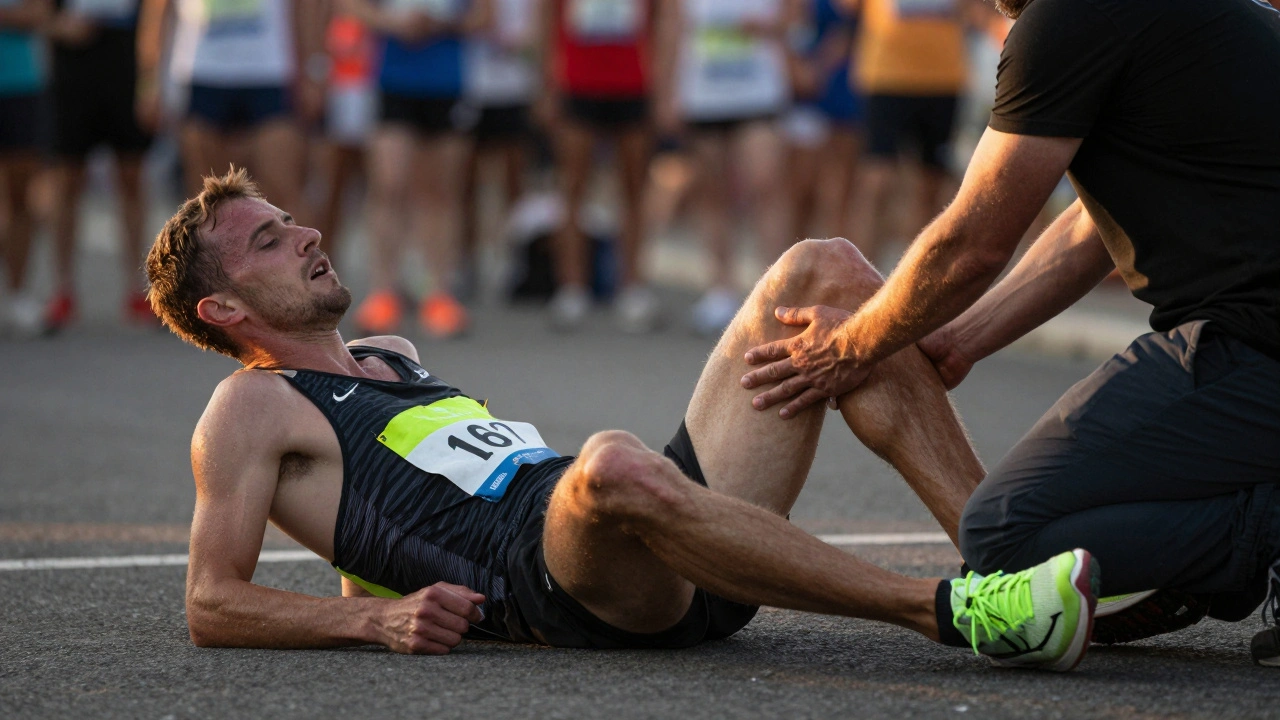
Ever watched a professional runner collapse after crossing the finish line-not from exhaustion, but from tight muscles locking up like rusted hinges? Or seen a weightlifter wince just stepping off the podium? That’s not bad luck. That’s what happens when you push your body to the edge and skip the most basic form of repair: massage therapy.
You don’t need to be a pro to feel this. Whether you’re training for a 5K, lifting weights three times a week, or playing weekend soccer, your muscles are taking hits. And if you’re only stretching and icing, you’re leaving half the recovery on the table.
What a Massage Therapist Actually Does for Athletes
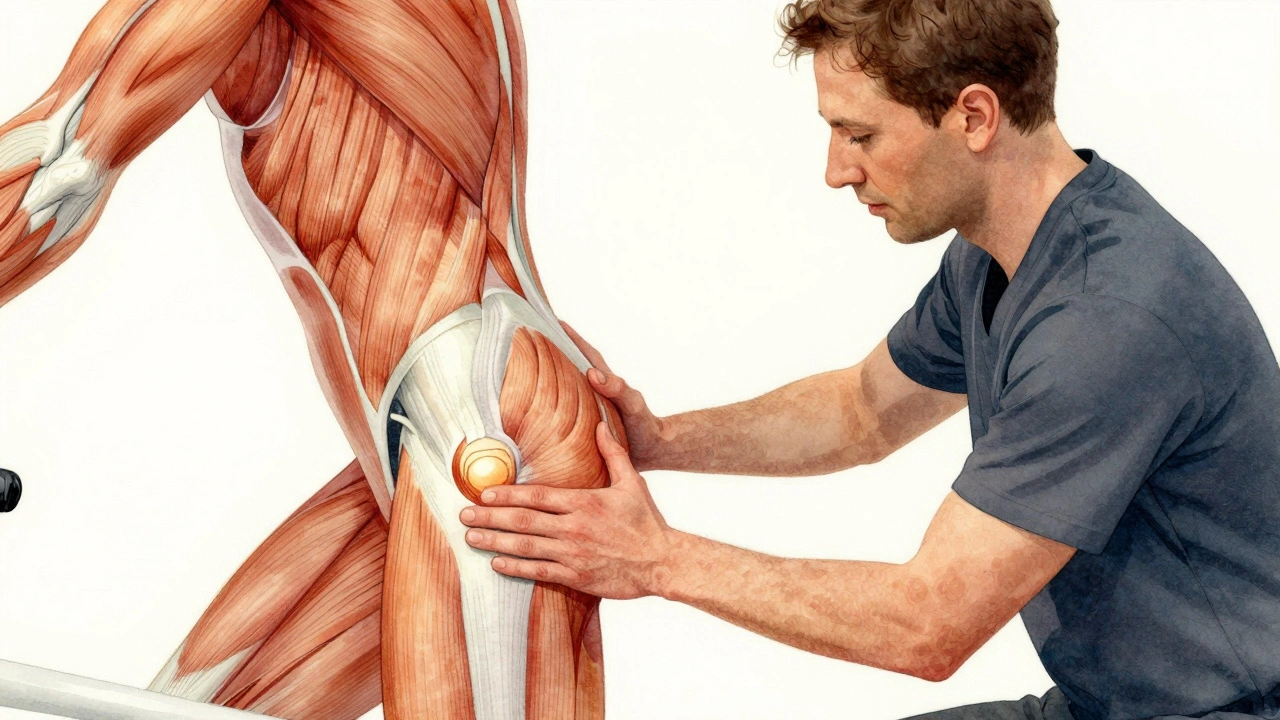
A massage therapist isn’t just someone who kneads your shoulders. They’re movement specialists trained to read your body like a map. They spot tension patterns you didn’t even know you had-tight hip flexors from sitting all day, overworked quads from running uphill, knots in your lats from poor squat form.
They use techniques like deep tissue work, myofascial release, and trigger point therapy to break up adhesions-those sticky, painful spots where muscle fibers fuse together from overuse. These aren’t just feel-good touches. They’re medical-grade recovery tools backed by research. A 2021 study in the Journal of Athletic Training found that athletes who received regular massage therapy improved muscle recovery speed by 30% compared to those who didn’t.
Think of it like changing your car’s oil. You don’t wait until the engine seizes. You do it before the damage sets in.
Why Stretching Alone Isn’t Enough
You’ve probably heard: “Just stretch more.” But stretching doesn’t fix what’s already stuck. If your muscle is glued down by scar tissue or chronic tightness, pulling on it won’t help-it might even make it worse.
Massage therapy goes deeper. It physically separates those stuck fibers. It increases blood flow to areas that have been starved of oxygen. It signals your nervous system to relax, which lowers cortisol and helps you sleep better-something every athlete needs.
One of my clients, a 38-year-old cyclist, kept getting IT band syndrome. He stretched daily. Did foam rolling. Even tried acupuncture. Nothing stuck. Then he started seeing a sports massage therapist twice a week. Within three weeks, the pain vanished. Why? The therapist found a knot in his glute medius that was pulling his pelvis out of alignment. Stretching his knee didn’t touch that. Massaging it did.
The Real Benefits: More Than Just Feeling Good
Let’s cut through the fluff. Here’s what massage therapy actually delivers for athletes:
- Faster recovery after intense training-muscles bounce back 25-40% quicker
- Reduced soreness (DOMS) so you can train again sooner
- Better range of motion without forcing stretches
- Lower injury risk by catching imbalances before they turn into tears
- Improved sleep thanks to lowered stress hormones
- Enhanced performance from muscles that move freely, not stiffly
These aren’t guesses. They’re measurable. A 2023 review of 17 studies in the British Journal of Sports Medicine confirmed that athletes using regular massage therapy had fewer missed training days due to injury.
Types of Massage Therapy That Actually Help Athletes
Not all massages are created equal. Here’s what works for training bodies:
- Sports massage: Designed for active people. Focuses on performance, recovery, and injury prevention. Best for weekly maintenance.
- Deep tissue massage: Targets chronic tightness and scar tissue. Ideal after a big race or heavy lifting block.
- Myofascial release: Works on the connective tissue surrounding muscles. Great for runners and cyclists with persistent tightness.
- Trigger point therapy: Pinpoints and releases knots. Helps with recurring pain spots like plantar fasciitis or shoulder impingement.
- Active release technique (ART): Combines movement with pressure. Often used by physiotherapists for rehab.
Most athletes benefit from a mix. A weekly sports massage for upkeep, plus a deep tissue session after a big event. It’s not luxury-it’s strategy.
How to Find a Good Massage Therapist in London
Not every spa therapist knows how to handle an athlete’s body. You need someone who understands movement patterns, knows common sports injuries, and has worked with runners, cyclists, or weightlifters before.
Look for these signs:
- Certifications in sports massage or remedial therapy (check for CIMSPA or FHT)
- Experience working with local clubs or gyms
- Willingness to ask about your training schedule and goals
- Reviews mentioning injury recovery or performance gains-not just “felt relaxed”
Ask your coach, physio, or even your gym trainer for referrals. In London, places like Active Recovery Clinic in Camden or Therapy in Motion in Clapham specialize in athlete care. Don’t settle for someone who just gives a general full-body rub.
What to Expect in Your First Session
Your first session isn’t about being pampered. It’s about assessment.
You’ll start by talking: your training routine, recent injuries, where you feel tight or sore. The therapist might watch you squat or walk. Then they’ll use their hands to feel for tension-no need to get naked unless you’re comfortable. Most sessions start with you in shorts and a tank top.
The massage itself might hurt a little. That’s normal. But it shouldn’t make you gasp or want to jump off the table. A good therapist checks in: “Is this too deep?” “Does that spot feel like your usual pain?”
Afterward, you might feel a little sore for 24 hours-like after a good workout. That’s your body adjusting. Drink water. Move gently. Don’t skip your next session because it felt tough.
How Often Should You Go?
It depends on your load:
- Recreational athlete (3-4 workouts/week): Once every 3-4 weeks
- Serious hobbyist (5-6 workouts/week): Once every 2 weeks
- Competitive athlete (daily training): Once a week, or twice during peak season
- Post-event: Within 24-48 hours after a race or big game
Some elite athletes go twice a week during competition season. That’s not overkill-it’s part of their training plan, just like nutrition or sleep.
Massage vs. Foam Rolling: Which One Wins?
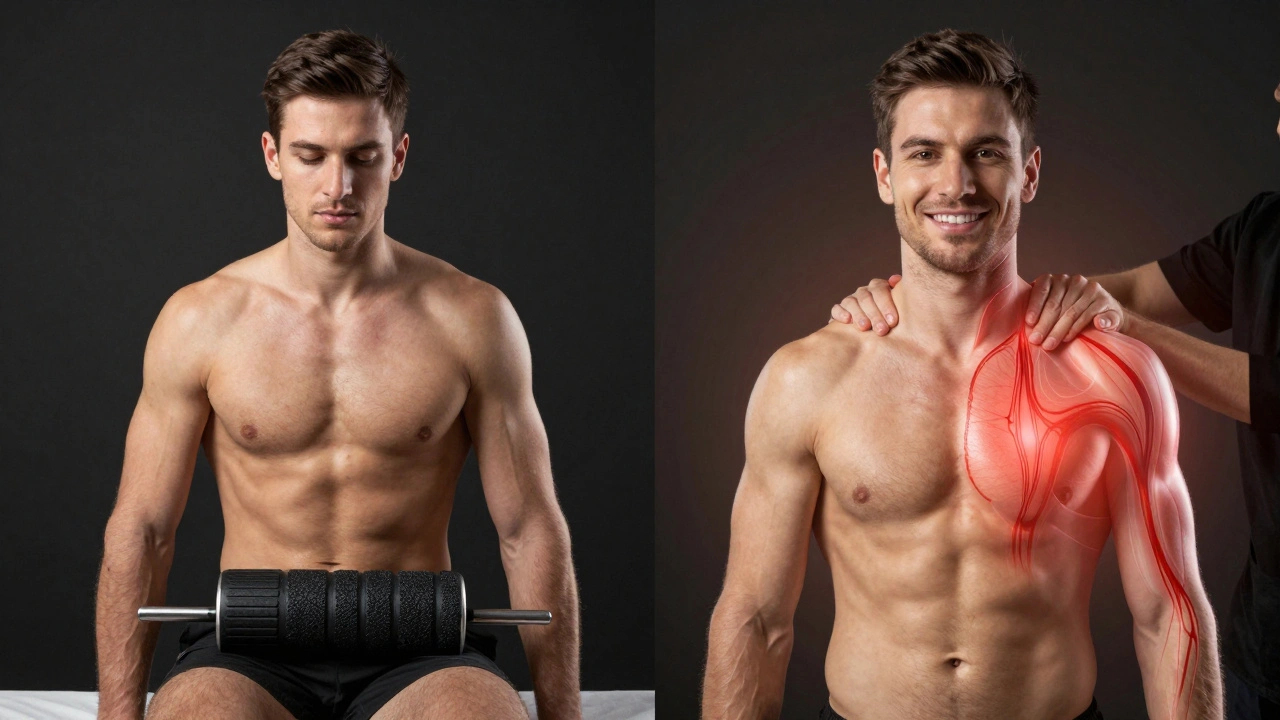
Here’s a quick comparison:
| Feature | Massage Therapy | Foam Rolling |
|---|---|---|
| Depth of Pressure | Can target deep layers, specific knots | Limited to surface layers |
| Personalization | Customized to your body and goals | One-size-fits-all |
| Technique Variety | Multiple modalities (myofascial, trigger point, etc.) | Rolling only |
| Professional Insight | Therapist spots imbalances you miss | No feedback or correction |
| Cost per Session | £60-£90 | £20-£50 (one-time purchase) |
Foam rolling is great for daily maintenance. But if you’re serious about performance, massage therapy is the upgrade. It’s the difference between cleaning your car’s windshield and doing a full engine tune-up.
FAQ: Your Questions About Massage Therapy for Athletes
Do I need to be injured to see a massage therapist?
No. In fact, the best time to see one is when you’re not injured. Regular sessions prevent injuries by catching tightness before it turns into pain. Think of it like dental checkups-you don’t wait for a toothache to go in.
Can massage therapy help with chronic pain?
Yes, but it’s not a magic fix. For chronic issues like plantar fasciitis or runner’s knee, massage therapy reduces inflammation, breaks down scar tissue, and improves circulation. It works best when combined with strength training and mobility work.
Will massage make me sore?
You might feel tender for a day or two, especially after a deep session. That’s normal-it means your body is responding. But if you’re in real pain or bruised, the therapist went too hard. Speak up. Good therapists adjust on the spot.
Is sports massage only for professionals?
Absolutely not. Whether you’re running your first 10K or lifting weights at the gym, your muscles respond the same way. Massage therapy isn’t about status-it’s about function. Anyone who moves hard benefits.
How long does a session last?
Most sessions for athletes are 60-75 minutes. That’s enough time to work on major muscle groups without rushing. Shorter 30-minute sessions can work for maintenance, but don’t expect deep results.
Ready to Train Smarter?
Training hard means nothing if you’re not recovering right. You wouldn’t skip sleep, nutrition, or hydration-so why skip massage therapy? It’s not a luxury. It’s the quiet edge that separates good athletes from great ones.
Book your first session this week. Don’t wait until you’re in pain. Your body’s already telling you it needs help. Listen to it.
Similar Posts

The Role of a Massage Therapist in Your Wellness Journey
How a Massage Therapist Can Help You Combat Stress and Anxiety
A massage therapist can significantly reduce stress and anxiety by resetting your nervous system, lowering cortisol, and increasing feel-good chemicals. Science-backed, effective, and deeply calming-here’s how it works.
How to Find a Massage Therapist That Understands Your Body's Needs
Looking for a massage therapist who really gets what your body needs can make all the difference in achieving relaxation and relief. Discover the steps to finding someone who truly understands your body's specific requirements. Learn about the benefits of personalized massage therapy and how to navigate options in your area. This guide will empower you with tips and insights to choose the right therapist for you.
satish gottikere shivaraju
January 26, 2026 AT 14:27This is so true!! 🙌 I started getting weekly massages after my half-marathon crash last year and now I can actually bend down to tie my shoes without groaning. My quads used to feel like concrete. Now? Like butter. 💪😊
Abraham Pisico
January 28, 2026 AT 02:26Let me get this straight-you’re telling me that instead of just suffering like a stoic peasant, we should pay £80 for someone to poke our muscles until they cry? Brilliant. Next you’ll tell me we need a personal oxygen therapist for our lungs. 🤡
...but honestly? My IT band hasn’t screamed in 6 months since I started this. Fuck. I hate being right.
Tarapada Jana
January 29, 2026 AT 09:03While I acknowledge the anecdotal appeal of massage therapy, one must consider the broader biomechanical context. The referenced studies, while statistically significant, suffer from small sample sizes and lack longitudinal control groups. Moreover, the placebo effect in somatic therapies is notoriously potent-particularly among populations with high health anxiety. One wonders whether the perceived benefits are physiological or psychological constructs masquerading as recovery.
That said, if it brings peace of mind, who am I to deny the comfort? Just don’t mistake it for medicine.
Lippard Babette
January 29, 2026 AT 09:13I’m a yoga teacher and I swear by this. My students who do massage + mobility work? They’re the ones who never get injured. The ones who just stretch? They’re always on the bench. Seriously, if you’re training hard, this isn’t optional-it’s part of your routine. Like brushing your teeth. 🧖♀️❤️
Srimon Meka
January 30, 2026 AT 08:48You think this is expensive? Try paying for surgery because you ignored your glutes for a year. I’ve seen guys blow out their hamstrings because they thought foam rolling was enough. Massage isn’t a luxury-it’s damage control. If you’re not doing it, you’re just delaying the inevitable. Get your ass to a therapist before you’re out for 6 months.
Cheryl Ying
January 30, 2026 AT 19:48Ugh. Another ‘wellness influencer’ post. Next they’ll tell us to chant before squats. I’ve been lifting for 15 years. Never had a massage. Never been injured. Just lift, eat, sleep. Done. Stop selling snake oil disguised as science.
akash gupta
January 31, 2026 AT 05:16Bro, in India we call this ‘kayakalp’-ancient pressure point therapy. Same shit, different branding. The real MVP is trigger point work on glute medius. That’s the silent killer for runners. Foam roller? Useless. You need fingers with intent. Also, skip the spa. Find someone who’s worked with sprinters. Not ‘zen masters’ who play Tibetan bowls.
PS: CIMSPA certs are decent. FHT? Meh. Ask if they’ve touched a powerlifter before.
Albert Sarvis
February 1, 2026 AT 03:59It is my profound conviction that the integration of professional massage therapy into athletic regimens represents not merely a supplementary modality, but a fundamental pillar of optimized human performance. The empirical data, peer-reviewed and statistically robust, unequivocally supports its efficacy in neuromuscular recovery, injury mitigation, and systemic homeostasis. To neglect such a scientifically validated intervention is to wilfully compromise one’s physiological potential. I urge all athletes-regardless of level-to institutionalize this practice with the same rigor as nutrition and sleep protocols.
Patti Towhill
February 2, 2026 AT 01:42Just wanted to say I used to think this was for rich people too… until I got a session after my first marathon. My calves felt like they’d been hit by a truck. The therapist found a knot I didn’t even know existed-turned out it was throwing off my whole stride. I cried a little. Then I cried again when I ran my next 10K without pain. This isn’t pampering. It’s listening to your body. And your body’s been yelling.
Suman Jr
February 2, 2026 AT 18:33One thing I’ve learned from working with runners: the ones who come in regularly don’t talk about pain. They talk about progress. The ones who wait until they’re broken? They’re the ones who need three sessions just to get back to baseline. Don’t wait for the scream. Listen to the whisper. It’s always there.