
Swedish massage offers a powerful remedy for stress relief, providing a therapeutic blend of techniques to relax muscles and calm the mind. By focusing on gentle movements and tailored pressure, it enhances circulation and reduces tension, making it a favorite choice for those seeking peace amidst a hectic lifestyle. With benefits spanning improved physical health and mental well-being, Swedish massage stands out as a holistic treatment. Easily accessible and widely practiced, it’s a practical option for de-stressing. Discover how this classic technique can transform your relaxation routine.

- Created by: Elara Wainwright
- Completed on: 13 Mar 2026
- Categories: Swedish Massage
You sit all day. Slouched over a keyboard, eyes glued to a screen, legs tucked under a chair that doesn’t support you. By 3 p.m., your shoulders feel like they’re welded to your ears. Your lower back? A dull, constant ache. Your neck? Stiff as a board. Sound familiar? You’re not alone. Millions of office workers deal with this daily. And while stretching, standing desks, and posture apps help, there’s one simple, proven fix most people overlook: Swedish massage.
Why Swedish Massage Works for Desk Workers
Swedish massage isn’t about deep pressure or cracking joints. It’s the gentle, rhythmic hug your body is begging for after hours of sitting. It uses long, flowing strokes, light kneading, and circular movements to relax muscles, improve circulation, and calm the nervous system. For office workers, that means three big wins:
- Reduces muscle tension - Especially in the neck, shoulders, and upper back, where stress builds up like a clogged drain.
- Boosts blood flow - Sitting cuts circulation. Massage wakes it up, helping oxygen and nutrients reach tired muscles and flush out lactic acid and toxins.
- Resets your stress response - After 8 hours of emails, meetings, and deadlines, your body’s stuck in fight-or-flight mode. Swedish massage triggers the parasympathetic nervous system - the “rest and digest” switch.
A 2023 study from the Journal of Clinical Massage Therapy tracked 120 office workers who got weekly Swedish massages for 6 weeks. Results? 89% reported less chronic pain, 76% said they slept better, and 82% felt more focused at work. No pills. No gadgets. Just hands.
What Happens During a Swedish Massage Session
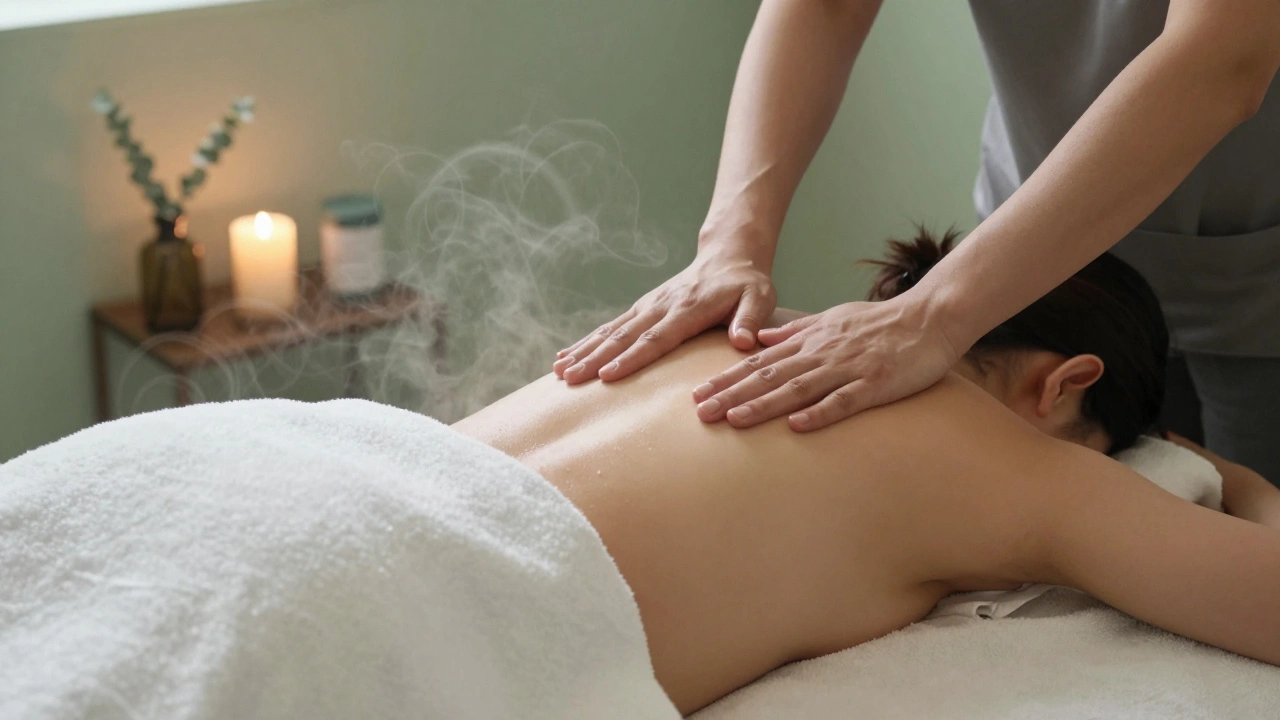
Picture this: You lie face down on a warm, padded table. Soft music plays. The room smells like lavender and eucalyptus. The therapist’s hands start at your lower back - slow, gliding strokes that move upward. It’s not a poke. It’s a wave. They’ll work your shoulders next, using circular motions to loosen knots you didn’t even know you had. Then your neck, arms, and hands. You’ll flip over, and they’ll gently work your legs and feet. The pressure? Light to medium. You’re not being torn apart. You’re being unwound.
Most sessions last 60 minutes. That’s enough time to fully relax without feeling rushed. No oil? No problem. Most therapists use a light, unscented lotion that glides smoothly and doesn’t leave you greasy. You’ll be draped in towels the whole time - privacy is built in.
And here’s the magic: You don’t need to be a massage pro. You don’t need to talk. You just need to breathe. Let your shoulders drop. Let your jaw unclench. Let your mind drift. That’s the point.
How Often Should Office Workers Get a Swedish Massage?
Think of it like watering a plant. You don’t wait until it’s dead. You water it before it wilts.
- Once a month - Good for maintenance. Keeps tension from building up.
- Once every two weeks - Ideal if you’re feeling constant stiffness, headaches, or irritability.
- Once a week - For those with chronic pain, poor posture, or high-stress jobs. Many companies now offer this as a wellness perk.
Some employers even cover part of the cost. Check your HR benefits. If they don’t offer it, ask. It’s cheaper than replacing employees who quit from burnout.
Swedish Massage vs. Deep Tissue Massage for Office Workers
| Feature | Swedish Massage | Deep Tissue Massage |
|---|---|---|
| Pressure Level | Light to medium | Strong, focused |
| Best For | Relaxation, stress relief, circulation | Chronic muscle knots, injury recovery |
| After Effects | Feeling calm, energized, light | Soreness for 1-2 days |
| Frequency Recommended | Weekly to monthly | Monthly (or as needed) |
| Best Time to Schedule | After a long workday | After a weekend of hiking or heavy lifting |
For office workers? Stick with Swedish. Deep tissue feels great if you’ve been lifting weights or running marathons. But if you’ve been typing? You don’t need to be torn apart. You need to be soothed.
Where to Find Swedish Massage for Office Workers
You don’t need to trek across town to a fancy spa. Many clinics and studios now specialize in corporate wellness - meaning they design sessions for people who sit all day.
- On-site corporate programs - Some companies bring therapists in during lunch breaks. No commute. No extra time off.
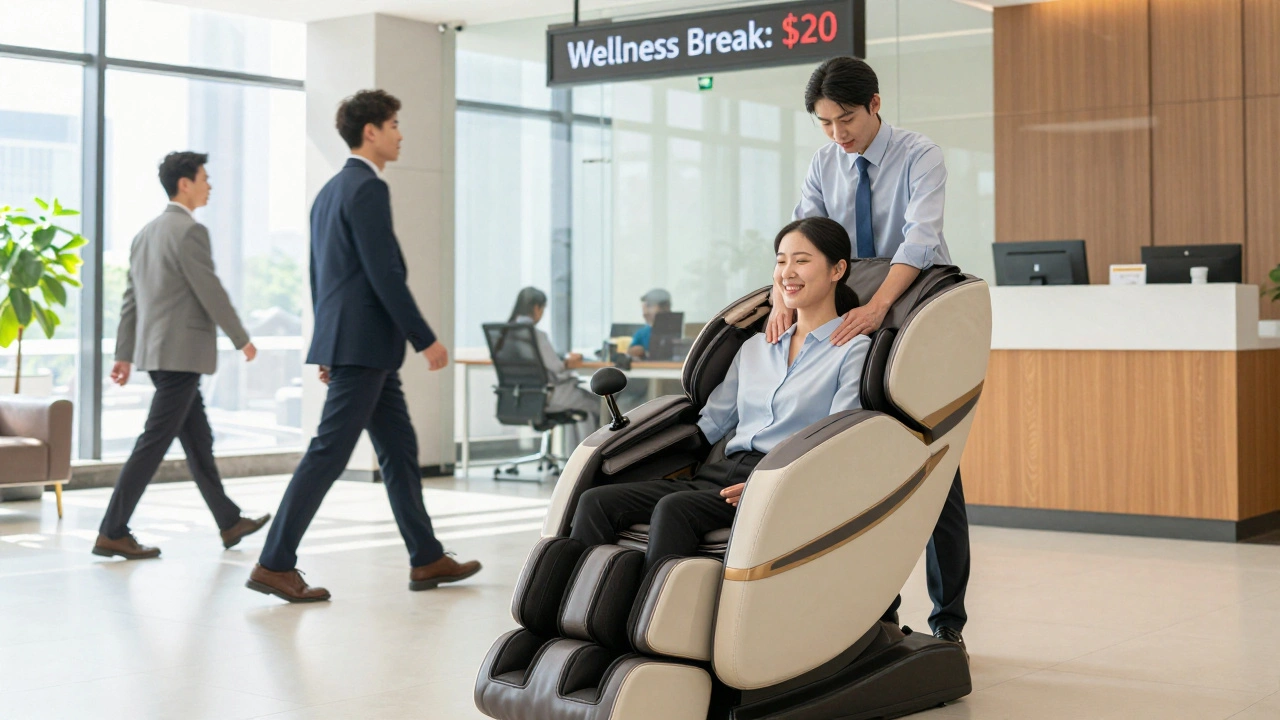
- Office building lobbies - Look for massage chairs or pop-up booths in high-rise buildings. They often offer 15-minute mini-sessions for $15-25.
- Therapists who specialize in desk-related pain - Search for “Swedish massage for office workers” or “posture correction massage.” These therapists know exactly where tension hides.
- Mobile massage services - Book a therapist to come to your home or hotel room. Perfect if you’re too tired to go out after work.
Check Google Maps for “Swedish massage near me” and filter by reviews mentioning “desk job” or “shoulder pain.” Look for therapists who mention “stress relief” or “relaxation” in their bios - not “deep tissue” or “sports recovery.”
What to Expect to Pay
Prices vary by city and session length, but here’s what most office workers pay in 2026:
- 30-minute session - $35-$50 (great for lunch breaks)
- 60-minute session - $65-$95 (ideal for full relaxation)
- 90-minute session - $110-$150 (for deep reset)
Many places offer packages: Buy 4 sessions, get 1 free. Some therapists give discounts if you book monthly. Always ask. You’d be surprised how often they’ll offer it.
What to Do Before and After
Don’t just show up and hope for the best. A few small habits make a big difference.
- Before: Drink water. Avoid heavy meals 2 hours before. Wear loose clothes - you’ll be draped, but comfort helps.
- During: Tell the therapist where you feel tightest. “My left shoulder’s always knotted.” “My neck hurts when I turn my head.” They can’t read your mind.
- After: Drink water again. Don’t jump into a meeting or head straight to the gym. Give yourself 20 minutes to just… be. Walk slowly. Breathe. Let your body settle.
Pro tip: Keep a small bottle of water at your desk. Sip it. It helps your muscles recover faster after massage.
Real Talk: What If I Don’t Have Time?
I get it. You’re busy. You’ve got deadlines. You think, “I’ll do it next week.” But next week turns into next month. And then you’re in pain again.
Here’s the truth: You don’t need a full hour. Even 15 minutes of Swedish massage - done weekly - can cut your tension in half. Look for massage chairs in your building lobby. Some gyms offer 10-minute chair massages for free with membership. Ask your HR department to bring in a therapist once a month. It’s not a luxury. It’s prevention.
Think of it like changing your oil. You don’t wait until the engine seizes. You do it before it breaks.
Frequently Asked Questions
Is Swedish massage only for relaxation, or does it help with pain?
It’s both. While Swedish massage is known for relaxation, its gentle strokes improve circulation and release muscle tension - the exact causes of office-related pain. Studies show it reduces chronic neck and shoulder pain just as effectively as physical therapy for sedentary workers.
Can I get Swedish massage at my desk?
Yes - and many companies now offer chair massage services during work hours. These are 10-15 minute sessions focused on the neck, shoulders, and arms. They’re not full-body, but they’re perfect for quick relief between meetings.
Will Swedish massage make me sleepy during work?
Not if you schedule it right. Most people feel calm but alert after a session. It’s not a sedative - it’s a reset. Many workers report better focus and fewer headaches after their massage. Avoid booking right before a high-energy presentation, though. Give yourself 20 minutes to transition back.
How is Swedish massage different from a spa massage?
It’s the same technique. The difference is intent. Spa massages are often longer, more luxurious, and include extras like hot stones or aromatherapy. For office workers, a 60-minute Swedish massage with a therapist who understands desk-related tension is what matters - not the candles or the robe.
Do I need to undress completely?
No. You’ll be covered with towels the whole time. Only the area being worked on is uncovered. Most office workers keep their underwear on and just pull down their shirt or shirttail. Comfort is key. Tell your therapist if you’re unsure - they’ve seen it all.
Ready to Feel Like Yourself Again?
You don’t have to live with that constant ache. You don’t have to wait until you’re in pain to act. Swedish massage isn’t a luxury for the wealthy or the lazy. It’s a practical tool - like a good chair or ergonomic keyboard. It’s your body’s way of saying: “I need a break.”
Book your next session. Not next week. Not next month. Next week is too late. Book it for tomorrow. Your shoulders will thank you - and so will your productivity.
Similar Posts


Why Swedish Massage is Essential for Stress Relief
Swedish Massage: A Powerful Ally Against Insomnia
Discover how Swedish massage can naturally relieve insomnia, improve sleep quality, and lower stress hormones. Learn benefits, pricing, and where to find trusted therapists in London.
Discover the Ultimate Relaxation: The Benefits of Swedish Massage
Swedish massage is a perfect blend of relaxation and therapeutic benefits. This popular massage technique not only helps reduce stress and tension but also improves circulation and flexibility. Whether you're looking to unwind after a long week or need relief from sore muscles, Swedish massage is an excellent choice. Explore how this timeless method of relaxation can enhance overall well-being and learn what to expect during a session.