
Discover how an outcall massage can transform your day without leaving your home. Learn about what outcall massage means, the top benefits, and practical tips for booking. This guide walks you through what to expect during a session and covers the most important safety tips to keep your mind at ease. Whether you're new to massage or tired of traditional spas, this article covers everything you need. Get ready to rejuvenate both your body and mind the easy way.
- Created by: Elara Wainwright
- Completed on: 19 Oct 2025
- Categories: Massage Therapy
Quick Takeaways
- Swedish massage and acupuncture both target muscle tension and stress but use different mechanisms.
- Combining them can boost blood flow, release endorphins, and enhance the body’s self‑healing response.
- Look for licensed therapists who integrate both modalities, especially in London’s holistic health scene.
- Typical session cost in London ranges from £70‑£120; many clinics offer package discounts.
- Safety first: disclose medical history, ensure sterile needles, and communicate pressure preferences.
Direct Answer
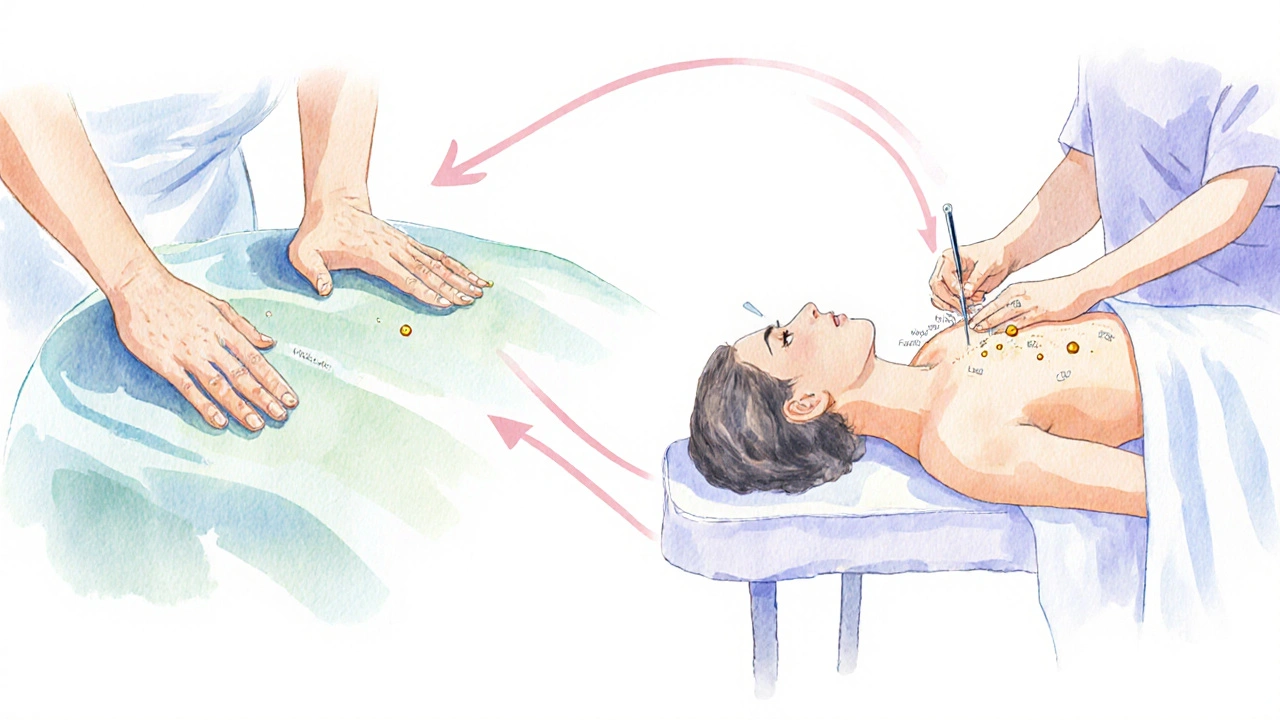
Yes, Swedish massage and acupuncture complement each other. The massage loosens muscles and improves circulation, while acupuncture balances the body’s energy pathways (Qi) and stimulates the nervous system. Together they provide a deeper relaxation experience and can amplify pain relief, stress reduction, and overall wellness.
Comprehensive Guide to the Connection Between Swedish Massage and Acupuncture
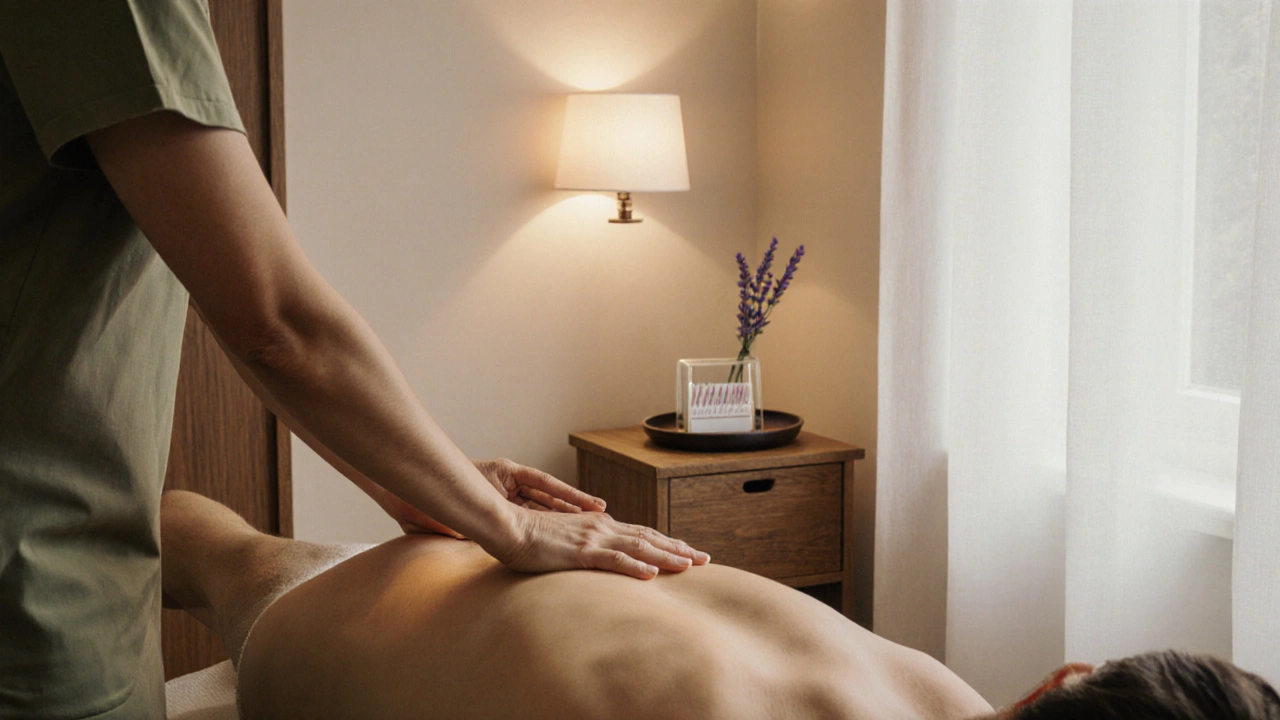
Imagine stepping into a tranquil room, the scent of lavender drifting through the air. A therapist begins with a Swedish Massage, gliding long strokes across your back, easing tight shoulders. After a half‑hour, they transition to acupuncture, placing fine needles at strategic points to fine‑tune the body’s energy flow. This blend isn’t a gimmick; it’s a thoughtfully layered approach that draws from two centuries‑old traditions, each with its own science and art.
Definition and Context
Swedish massage, developed in the 18th century by Per Henrik Ling, focuses on five basic strokes - effleurage, petrissage, friction, tapotement, and vibration - to increase blood circulation, reduce muscle tension, and trigger the relaxation response. It’s widely practiced in Western spas and is often the first entry point for people new to therapeutic touch.
Acupuncture, a cornerstone of Traditional Chinese Medicine (TCM), dates back over 2,500 years. Practitioners insert ultra‑thin needles at points along the meridian system to balance Qi, the vital energy believed to flow throughout the body. Modern research links needle stimulation to endorphin release, modulation of inflammatory pathways, and activation of the autonomic nervous system.
Both modalities share a common goal: restore equilibrium. While Swedish massage works primarily on the musculoskeletal and circulatory systems, acupuncture targets the energetic and neurochemical layers. When combined, they can address a wider spectrum of issues - from chronic back pain to anxiety - in a synergistic fashion.
Benefits of Combining Swedish Massage and Acupuncture
- Enhanced Pain Relief: Massage loosens tight fascia, allowing needles to reach deeper points more comfortably, which can intensify analgesic effects.
- Improved Blood Flow: The increased circulation from massage helps distribute the biochemical signals triggered by acupuncture throughout the body.
- Stress and Anxiety Reduction: Both practices stimulate the parasympathetic nervous system, lowering cortisol and raising serotonin levels.
- Faster Recovery: Athletes report reduced muscle soreness and quicker healing after combined sessions, thanks to improved oxygen delivery and reduced inflammation.
- Holistic Balance: The physical relaxation from massage pairs with the energetic alignment of acupuncture, supporting overall wellbeing.
Clients often describe the experience as a “deep reset” - a feeling of lightness that lingers for days after the session.
Types of Integrated Services Available in London
London’s wellness market is buzzing with hybrid offerings. Here are the most common formats you’ll encounter:
- Sequential Sessions: A 60‑minute Swedish massage followed by a 30‑minute acupuncture segment.
- Concurrent Treatments: Some clinics use specialized tables that allow gentle massage strokes while needles are in place, creating a seamless flow.
- Package Deals: Bundles of 5‑10 combined sessions at a reduced rate, often marketed as “Holistic Healing Packages.”
- Specialized Programs: Tailored plans for chronic conditions like fibromyalgia, migraines, or sports injuries, integrating both techniques based on a personalized assessment.
How to Find Practitioners Offering Both Modalities in London
- Search reputable directories such as the British Acupuncture Council (BAcC) and the Federation of Holistic Therapists (FHT).
- Read client reviews on platforms like Google, Treatwell, or Trustpilot - look for mentions of “combined massage and acupuncture”.
- Check credentials: Qualified massage therapists usually hold Level 3 Diplomas; acupuncturists need at least a BAcC registration.
- Visit clinic websites to see if they list a “holistic integration” or “combined therapy” service page.
- Call ahead and ask about the therapist’s experience blending the two practices and any contraindications.
Neighborhoods with a high concentration of integrative clinics include Shoreditch, Camden, Notting Hill, and Canary Wharf.
What to Expect During a Combined Session
A typical 90‑minute appointment might look like this:
- Consultation (10 min): The therapist reviews your health history, current concerns, and goals.
- Swedish Massage (45 min): Long, flowing strokes target the back, shoulders, and legs, gradually easing tension.
- Transition (5 min): You’ll be asked to lie still while the therapist prepares the acupuncture points.
- Acupuncture (30 min): Fine needles are placed at points like LI4 (Large Intestine), SP6 (Spleen), and GB20 (Gallbladder) to complement the areas just massaged.
- Post‑Session Guidance (5 min): Advice on hydration, gentle stretching, and any after‑care recommendations.
Most clients feel a warm, tingling sensation as the needles settle, followed by a deep sense of calm once the session ends.
Pricing and Booking
| Service | Typical Session Length | Price Range (GBP) | Notes |
|---|---|---|---|
| Swedish Massage only | 60 min | £55‑£80 | Often in spas or day clinics. |
| Acupuncture only | 45 min | £45‑£70 | Requires BAcC‑registered practitioner. |
| Combined Session | 90 min | £100‑£150 | Includes both massage and needle work; discounts for packages. |
Many clinics offer a 10% discount for first‑time clients or for booking multiple sessions in advance. Online booking is common - look for a “Book Now” button on the clinic’s site, or use apps like Treatwell.

Safety Tips
- Confirm the therapist’s qualifications: Level 3 Diploma for massage; BAcC registration for acupuncture.
- Disclose any health conditions: clotting disorders, recent surgeries, pregnancy, or skin infections.
- Ask about sterilization: single‑use, disposable needles are a must.
- Communicate pressure levels: a Swedish massage can be adjusted from light to deep; let the therapist know what feels comfortable.
- Stay hydrated: post‑session drinking water helps flush out metabolic waste released during the treatment.
Comparison Table: Swedish Massage vs. Acupuncture in London
| Aspect | Swedish Massage | Acupuncture |
|---|---|---|
| Primary Focus | Muscle relaxation & circulation | Energy flow (Qi) & neurochemical balance |
| Typical Duration | 60‑90 min | 30‑45 min |
| Tools Used | Hands, oils, sometimes hot stones | Thin sterile needles, sometimes moxibustion |
| Immediate Sensation | Warmth, stretch, sometimes mild soreness | Tingling, slight heaviness, occasional faintness |
| Typical Cost (London) | £55‑£80 | £45‑£70 |
FAQ: Your Questions About Swedish Massage and Acupuncture Answered
Can I have both treatments if I’m pregnant?
Yes, but choose a therapist experienced with prenatal care. Swedish massage should be light‑to‑medium pressure, and acupuncture points that stimulate labor should be avoided.
How often should I schedule combined sessions?
For chronic pain, start with once a week for four weeks, then reassess. Many clients move to bi‑weekly or monthly maintenance after seeing improvement.
Is there scientific evidence supporting the combo?
Studies show massage boosts circulation and reduces cortisol, while acupuncture increases endorphin release and modulates the autonomic nervous system. When used together, they can produce additive effects on pain thresholds and stress scores.
Do I need to be nude for the massage?
Clients usually undress to their comfort level and are draped with a sheet. Professional studios respect modesty and never expose private areas.
Can the needles hurt?
Insertion feels like a light pinch for most people. The sensation quickly fades, and many report a warm or tingling feeling instead of pain.
Ready to Experience the Synergy?
If you’re curious about how a blend of Swedish massage and acupuncture can revitalize your body and mind, start by researching licensed clinics in your area. Book a consultation, ask about combined packages, and give yourself the gift of holistic balance. Your muscles and energy pathways will thank you.
Similar Posts



Outcall Massage: Rejuvenate Your Body and Mind at Home
Aromatherapy Massage: The Perfect Gift for Relaxation and Wellbeing
Discover why an aromatherapy massage is the perfect gift for loved ones. Learn about its benefits, how it works, types in London, pricing, and safety tips.
Surprising Health Benefits of Regular Outcall Massages: What You Need to Know
This article uncovers the real health perks you get from regular outcall massages, going far beyond simple relaxation. We'll explain why this convenient at-home service can improve your physical and mental well-being. Find out how outcall massages help lower stress, ease chronic pain, and even boost your sleep. You'll also get practical tips for choosing the right service and making the most of every session. If you’ve ever wondered what you’re actually gaining from massage at home, this is for you.
Jasmine Indefenso
October 19, 2025 AT 16:45Swedish massage relaxes muscles, and acupuncture targets subtle energy pathways. The two together create a feedback loop that can enhance circulation. I’ve noticed this combo in several case studies.
Neil Tejwani
October 25, 2025 AT 16:45Honestly, the notion of “holistic synergy” is nothing but a marketing façade, a glittering illusion-yet you’ll hear therapists rave about “energy flow” as if it were a scientific breakthrough! The truth is, without rigorous double‑blind trials, we’re left with anecdotal bliss, vague testimonials, and overpriced packages. I’m not saying it doesn’t feel nice, but let’s not pretend it’s anything more than a fancy foot massage with needles, shall we?
Keren Ruth
October 31, 2025 AT 15:45It’s great when people think about their bodies as whole systems 😊. Mixing massage with acupuncture feels like giving your nervous system a hug and a gentle poke at the same time. We should always remember to check for safe practices and stay kind to ourselves.
Rhys Harley
November 6, 2025 AT 15:45The integration of Swedish massage and acupuncture presents a coherent therapeutic approach.
Stephanie Labay
November 12, 2025 AT 15:45Let’s be clear-there’s nothing inherently British about this trend, it’s an American‑born wellness circus that’s being hijacked across the pond! The London clinics tout “heritage” while importing a cocktail of Oriental mysticism and Californian spa fluff, all wrapped up in pricey packages. If you’re looking for genuine care, demand licensed practitioners, not flash‑in‑the‑pan hype.
Mohammed Muzammil
November 18, 2025 AT 15:45From a physiological perspective, Swedish massage initiates a cascade of proprioceptive feedback that encourages vasodilation and the removal of metabolic waste from tight muscle groups. Simultaneously, the insertion of acupuncture needles stimulates sensory afferents, which travel to the spinal cord and brainstem, triggering the release of endogenous opioids such as endorphins and enkephalins. When these two mechanisms intersect, the client experiences a multi‑layered relaxation response that can outstrip the benefits of either modality alone. In practice, many therapists report that following a thorough massage, the patient’s skin temperature rises slightly, making needle insertion smoother and less uncomfortable. This physiological synergy is supported by several pilot studies that measured cortisol reduction and heart‑rate variability improvements after combined sessions. Moreover, the mental component of feeling cared for cannot be understated; the ritual of transitioning from a warm, aromatic massage table to a calm, needle‑focused environment reinforces a sense of safety and trust. For athletes, the combined approach can accelerate recovery by improving blood flow to micro‑tears while also modulating inflammatory pathways through neuro‑immune interactions. In chronic pain sufferers, the dual stimulation may reset maladaptive pain circuits, offering a more durable relief than medication alone. It is also worth noting that practitioners who are cross‑trained in both disciplines can tailor point selection based on the areas that were just massaged, creating a personalized treatment map for each client. Safety, of course, remains paramount; disposable, sterile needles and thorough health history reviews are non‑negotiable. The pricing structure in London reflects the additional training required-sessions typically range from £100 to £150, but many clinics offset this with package discounts that encourage regular attendance. Clients who commit to a series of ten combined appointments often report a cumulative “deep reset” feeling that persists for days, accompanied by improved sleep quality and reduced anxiety levels. From a holistic health perspective, this synergy aligns well with the biopsychosocial model, acknowledging that physical, emotional, and energetic dimensions of health are interwoven. Future research with larger sample sizes will help clarify the optimal session frequency and point selection strategies. In summary, the scientific rationale, clinical anecdotes, and patient satisfaction all point toward a compelling case for integrating Swedish massage with acupuncture in a well‑structured therapeutic protocol.
Bonnie Cole
November 24, 2025 AT 15:45I completely agree with the comprehensive overview you provided; the emphasis on safety, personalized point selection, and the biopsychosocial framework resonates deeply. As someone who has experienced both therapies, I can attest that the gentle transition from massage to needles often feels like a seamless continuation of relaxation. It’s also reassuring to see the mention of credential verification, because many clients are unaware of the licensing requirements in the UK. The cost considerations you outlined are realistic, especially when you factor in the long‑term benefits of reduced medication reliance. I would add that staying well‑hydrated after the session can further enhance toxin flushing and muscle recovery. Moreover, incorporating gentle stretching post‑treatments can lock in the gains made during the session. For anyone hesitant about the needles, remember that the sensation is typically a light pinch, not a sharp pain. Overall, the synergy you described is a powerful tool for holistic wellness.
sam ly
November 30, 2025 AT 15:45This combo is just a fad sold to us by foreign influencers and it drains our wallets.
Jeanine Lee
December 6, 2025 AT 15:45While your enthusiasm is clear, the sentence could benefit from a comma before “and” and perhaps a more precise reference to “foreign influencers.” A balanced tone would also help readers engage without feeling attacked.
Hayley Wallington
December 12, 2025 AT 15:45It’s fascinating how the article blends historical context with modern practice, showing respect for both Swedish tradition and Chinese philosophy. I think readers from different cultural backgrounds will appreciate the inclusive tone and the practical tips for finding reputable clinics in London. The safety checklist is especially helpful, reminding us that mindfulness extends to the therapist’s credentials as well as our own comfort levels.