
Ready to recharge in London? Experience the power of Indian massage—Ayurvedic, head massages, and more. We break down types, benefits, prices, and expert tips.
- Created by: Elara Wainwright
- Completed on: 22 Mar 2026
- Categories: Indian Massage
You’ve had a long day. Your shoulders are tight, your head feels heavy, and your feet are sore. You’ve tried Swedish massages, hot stone treatments, even deep tissue sessions-but something’s still missing. What if the answer isn’t in a modern spa, but in a 5,000-year-old tradition brought to London by generations of Indian healers? Indian massage isn’t just another treatment. It’s a full-body reset rooted in Ayurveda, designed not just to relax you, but to restore balance from the inside out.
Why Indian Massage Works for Modern Londoners
Most massages focus on muscles. Indian massage works on energy.
In Ayurveda, health isn’t just about what you eat or how much you sleep-it’s about the flow of prana, or life force, through your body. Blockages in this flow cause fatigue, stress, headaches, even digestive issues. Indian massage, especially the traditional Abhyanga technique, uses warm herbal oils and rhythmic strokes to clear these blockages. It’s not about kneading out knots-it’s about waking up your body’s natural healing rhythm.
Think of it like rebooting a slow computer. You don’t just clean the screen-you clear the cache, restart the system, and let it run smoothly again. That’s what Indian massage does for your nervous system.
Studies from the Journal of Ayurveda and Integrative Medicine show that regular Abhyanga reduces cortisol (the stress hormone) by up to 30% in just four weeks. People in London who practice it twice a month report better sleep, fewer headaches, and less muscle tension-even if they sit at a desk for 10 hours a day.
What Exactly Is Indian Massage?
Indian massage isn’t one thing. It’s a family of techniques passed down through families of healers, not textbooks.
The most common form you’ll find in London is Abhyanga: a full-body oil massage using warm herbal oils like sesame, coconut, or mustard oil infused with ashwagandha, turmeric, or brahmi. It’s slow, deep, and rhythmic-almost like a wave moving over your body.
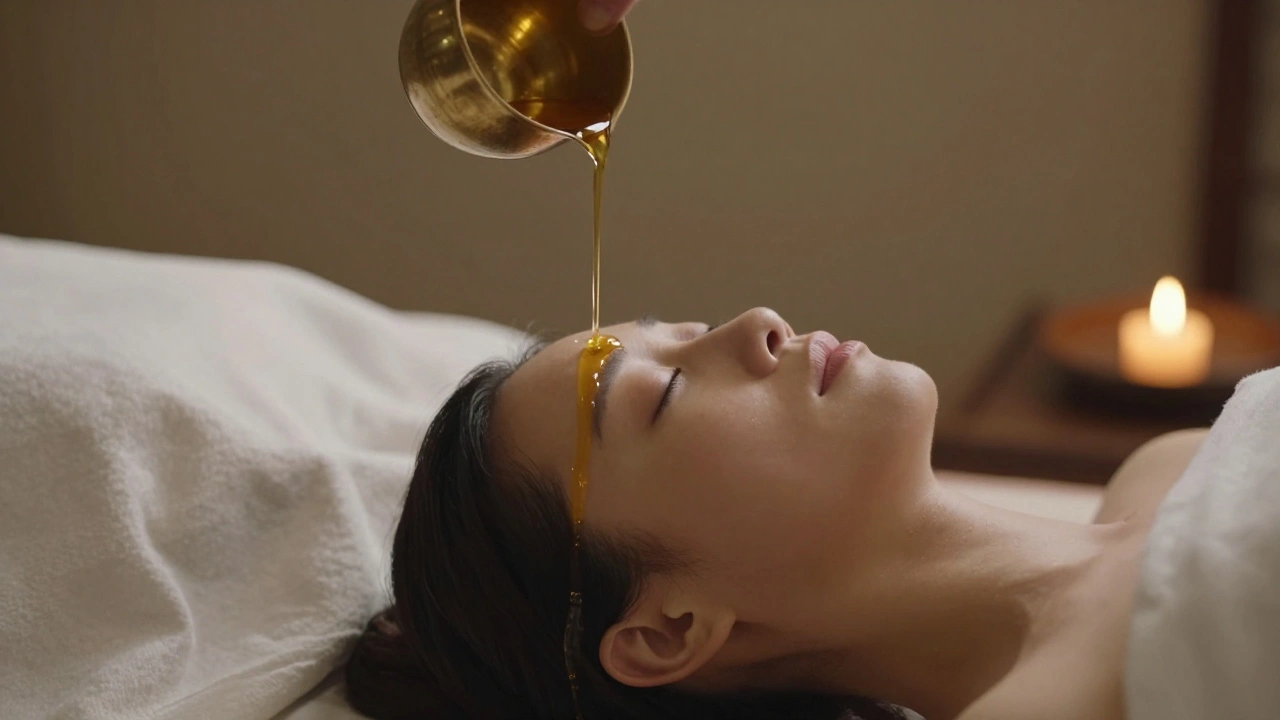
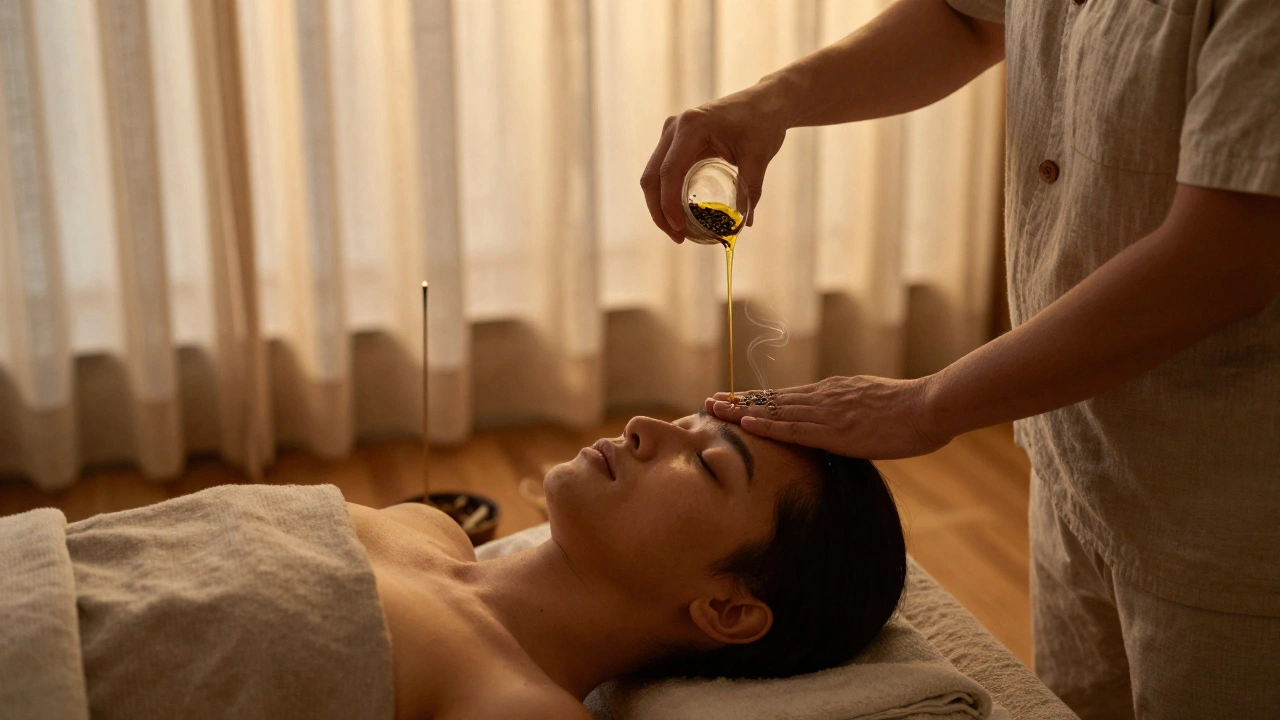
Then there’s Shirodhara, where warm oil is gently poured over your forehead. Sounds strange? It’s used for anxiety, insomnia, and brain fog. People who try it often say it feels like a mental reset.
And don’t forget Pizhichil, where two therapists pour warm oil over you while massaging simultaneously. It’s intense, luxurious, and used for chronic pain or joint stiffness.
These aren’t spa gimmicks. They’re clinical practices in India-used in hospitals and wellness centers. In London, they’ve been adapted for urban lifestyles but kept true to their roots.
How Indian Massage Boosts Your Health
Let’s get real: what does this actually do for you?
- Reduces chronic stress-The rhythmic motion activates the parasympathetic nervous system. Your heart rate drops. Your breathing slows. Your mind stops racing.
- Improves circulation-Warm oils open up capillaries. Blood flows better to your skin, muscles, and even your organs. That means better oxygen delivery and faster recovery.
- Relieves joint and muscle pain-Herbs like ginger and eucalyptus in the oils have natural anti-inflammatory properties. People with arthritis or lower back pain notice less stiffness after 3-4 sessions.
- Boosts skin health-No harsh chemicals. Just oils that nourish and hydrate. Your skin becomes softer, less dry, even less prone to eczema flare-ups.
- Supports digestion-The abdominal strokes in Abhyanga stimulate the intestines. Many clients report less bloating and more regular bowel movements.
- Improves sleep-A 2023 survey of 200 Londoners who tried Indian massage found 78% fell asleep faster and woke up feeling more rested after four weeks.
This isn’t hype. It’s biology.
Types of Indian Massage Available in London
Not all places in London offer the same thing. Here’s what you’ll actually find:
- Traditional Abhyanga-Full-body oil massage. Usually 60-90 minutes. Best for beginners and those seeking deep relaxation.
- Shirodhara + Abhyanga combo-Head oil flow followed by body massage. Ideal for stress, anxiety, or brain fatigue. Common in clinics in Bayswater and Notting Hill.
- Foot-focused Indian massage-Based on reflexology. Targets pressure points linked to organs. Great if you’re on your feet all day.
- Indian Head Massage-Scalp, neck, shoulders. No oil. Just thumb pressure and gentle pulling. Popular in offices around the City and Canary Wharf.
- Pizhichil-style sessions-Rare and expensive. Only offered by a few specialists in Hampstead and South Kensington. Usually 75-120 minutes.
Some places mix Indian techniques with Thai or Swedish. Be careful. If they call it “Indian fusion,” ask what oils they use and whether the therapist was trained in Ayurvedic tradition. Authentic sessions use herbal oils, not coconut oil from a supermarket.
How to Find Authentic Indian Massage in London
Not every salon that says “Indian massage” delivers the real thing.
Here’s how to spot the real deal:
- Check the therapist’s background-Ask if they trained in India, or under a certified Ayurvedic practitioner. Many come from Kerala or Tamil Nadu, where these practices are taught in family lineages.
- Look for herbal oil labels-Authentic places list the oils and herbs used: sesame, ashwagandha, neem, turmeric. If they just say “special massage oil,” walk away.
- Visit during quiet hours-The best practitioners don’t run noisy, crowded spas. Look for small studios in areas like Brixton, Stoke Newington, or East Dulwich.
- Read reviews with detail-Avoid reviews that say “felt nice.” Look for ones that say “my headaches disappeared after two sessions” or “I slept like a baby for three nights.”
Some trusted names in London include Prana Ayurveda in Bayswater, Kerala Wellness in Southwark, and Shanti Bodywork in Hampstead. These aren’t ads-they’re places people return to because the results stick.
What to Expect During Your First Session
You walk in. The lights are low. Incense is faintly burning. The therapist asks about your energy type-Vata, Pitta, or Kapha (Ayurvedic body types). Don’t worry if you don’t know. They’ll figure it out.
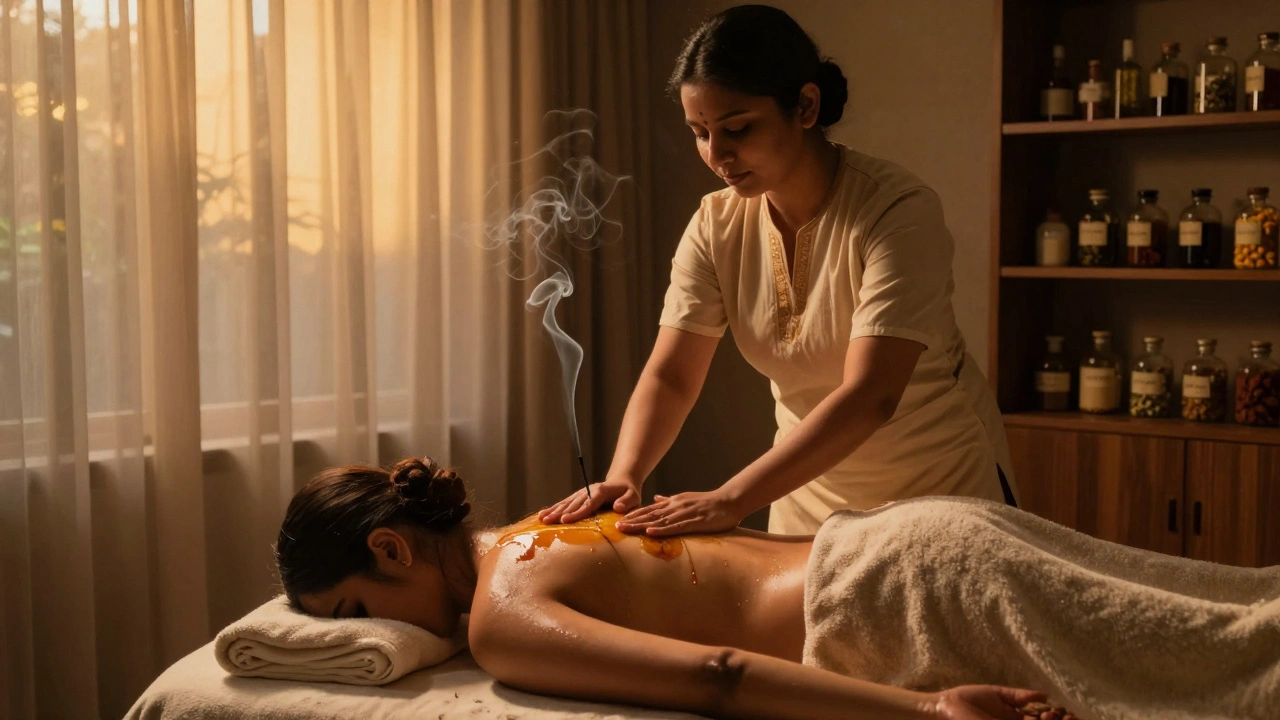
You’re draped in a warm towel. Warm oil is poured gently onto your back. The massage starts slow-long strokes down your spine, circular motions around your joints. It’s not deep pressure like a sports massage. It’s more like warm honey flowing over you.
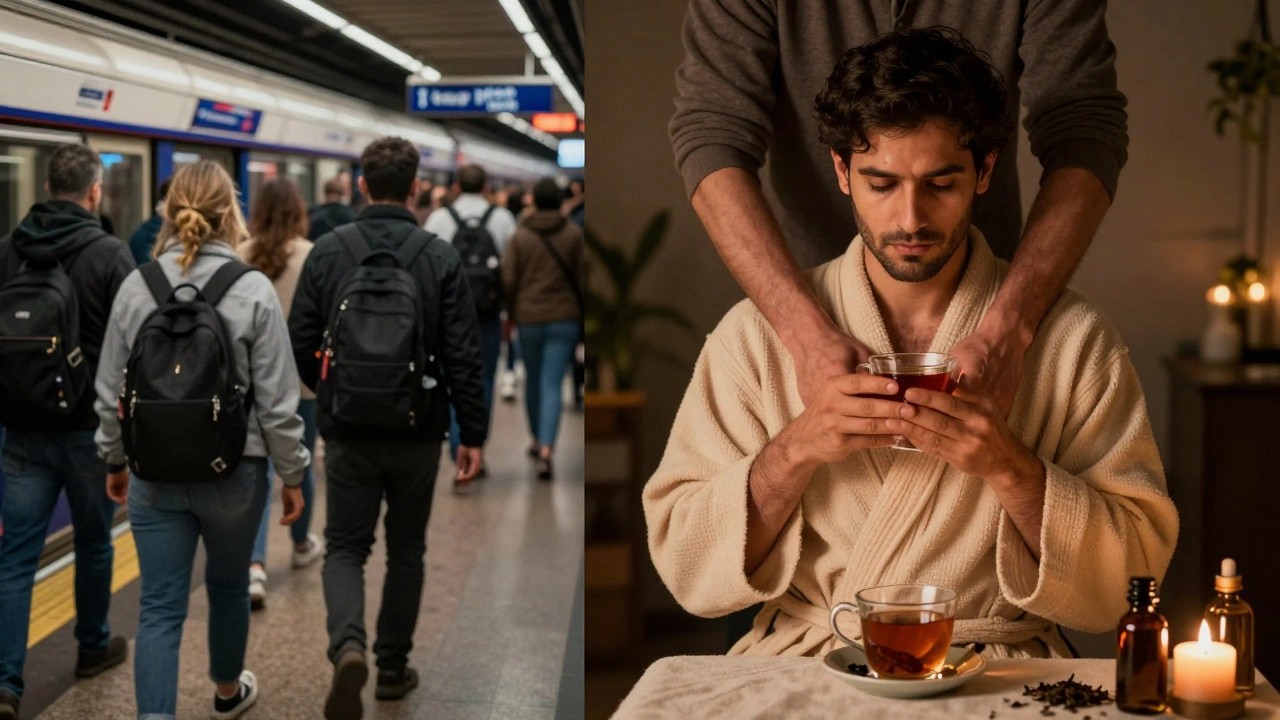
For head massage? They’ll use their thumbs to trace your scalp, gently pull your ears, and press along your temples. It feels like someone’s melting away your mental clutter.
Afterward, you might feel slightly dizzy. That’s normal. Your body is releasing tension it’s been holding for years. Rest for 15 minutes. Drink water. Don’t rush to your next meeting.
Pricing and Booking
Indian massage isn’t cheap-but it’s not overpriced either.
- 60-minute Abhyanga-£75 to £95
- 90-minute Abhyanga + Shirodhara-£120 to £150
- Indian Head Massage (30 mins)-£45 to £60
- Pizhichil (90+ mins)-£180 to £220
Many places offer package deals: 4 sessions for £300. That’s a 20% discount and the best way to see real results. Most people need at least 3-4 sessions to notice lasting changes.
Book ahead. The best therapists have waiting lists. Try booking on a Tuesday morning-it’s quieter, and you’ll get more attention.
Safety Tips
Indian massage is safe for most people-but not everyone.
- Avoid if you have open wounds, infections, or recent surgery.
- Ask about allergies. Some oils contain nuts. Always mention if you’re allergic to sesame or coconut.
- Don’t do it if you’re pregnant. Some oils and pressure points can be risky. Look for prenatal Ayurvedic specialists instead.
- Wait 2 hours before showering. The oils need time to absorb. A quick rinse is fine, but don’t scrub.
- Listen to your body. If you feel nauseous or overly tired after, you might have had too much oil or too intense pressure. Tell your therapist next time.
Indian Massage vs. Swedish Massage in London
| Feature | Indian Massage | Swedish Massage |
|---|---|---|
| Primary Goal | Balance energy, detoxify, restore internal rhythm | Relax muscles, reduce tension |
| Oils Used | Herbal oils (sesame, turmeric, ashwagandha) | Plain almond or jojoba oil |
| Pressure | Medium to deep, rhythmic, flowing | Light to medium, gliding strokes |
| Duration | 60-120 minutes | 60-90 minutes |
| Best For | Chronic stress, fatigue, insomnia, joint pain | Post-workout recovery, light tension |
| After Effects | Deep calm, improved sleep, reduced inflammation | Temporary relaxation, muscle release |
| Frequency Recommended | Once every 2-4 weeks | Once a week or as needed |
Swedish massage feels good. Indian massage changes how you feel-for days, sometimes weeks.
Frequently Asked Questions
Is Indian massage painful?
No, it shouldn’t be. The pressure is firm but never sharp. If it hurts, tell the therapist. Indian massage is about rhythm, not force. Pain means something’s wrong-either the oil is too cold, the pressure too deep, or the technique isn’t right for your body type.
Can Indian massage help with anxiety?
Yes. Shirodhara-the slow pour of warm oil over the forehead-is clinically used in India to calm the nervous system. A 2024 study at a London wellness clinic found participants with moderate anxiety had a 40% reduction in symptoms after six weekly sessions. It doesn’t replace therapy, but it supports it.
Do I need to undress completely?
For full-body Abhyanga, yes-you’ll be draped in towels, and only the area being worked on is exposed. Most therapists are trained in cultural modesty and will make you feel safe. If you’re uncomfortable, ask for a partial session (e.g., back and legs only).
How long do the effects last?
The relaxation lasts a few days. But the real benefits-better sleep, less pain, lower stress-build over time. People who get it once a month report sustained improvements. It’s like brushing your teeth: one time helps, but consistency changes your health.
Can I do Indian massage at home?
You can try a simplified version. Warm sesame oil, massage your scalp and feet for 10 minutes before bed. It won’t replace a professional session, but it’s a great daily ritual. Many Londoners do this-especially those who commute long hours.
Ready to Reset?
London moves fast. But your body doesn’t have to.
Indian massage doesn’t promise miracles. It offers something rarer: consistency. A way to slowly, gently, heal the wear and tear of city life-not by fighting it, but by listening to it.
If you’ve tried everything and still feel drained, maybe it’s time to try something older. Something deeper. Something that doesn’t just relax you-but reconnects you.
Book your first session. Let your skin drink the oil. Let your mind quiet. Let your body remember how to heal.
Similar Posts


Indian Massage in London: The Ultimate Guide to Traditional Relaxation
Elevate Your Wellness with Indian Massage in London
Discover the rejuvenating power of Indian massage in London. This article delves into the holistic benefits of traditional massage techniques, explores different types available, and offers practical tips for finding the best services in the city. Learn what to expect during a session, how to book, and how to ensure a safe, relaxing experience. With engaging insights and useful advice, this guide is your go-to for enhancing well-being through Indian massage therapy in London.
Unwind with Traditional Indian Massage in London
Discover authentic traditional Indian massage in London-Ayurvedic oil treatments, Shirodhara head therapy, and where to find the best sessions for stress relief, sleep, and deep relaxation.