
Discover how body massage can do more than just relax your muscles—it can actually help increase your body's natural defenses. This article breaks down the science behind massage and immune support, types of massages that give your system a boost, and practical tips for booking the right session. Get a real sense of what to expect and how to make body massage work for your health goals. Learn safety tips and the key differences between massage and other wellness practices. Clear, direct answers to your top questions are also included.
- Created by: Liam Redgate
- Completed on: 21 Jan 2026
- Categories: Full Body Massage
You know that heavy feeling in your shoulders after a long week? Or how your lower back tightens up like a coiled spring by Friday afternoon? That’s not just fatigue-it’s your body screaming for relief. And here’s the thing: a full body massage isn’t just a luxury. It’s one of the most effective, natural ways to reset your nervous system, loosen chronic tension, and actually start feeling like yourself again.
What Exactly Is a Full Body Massage?
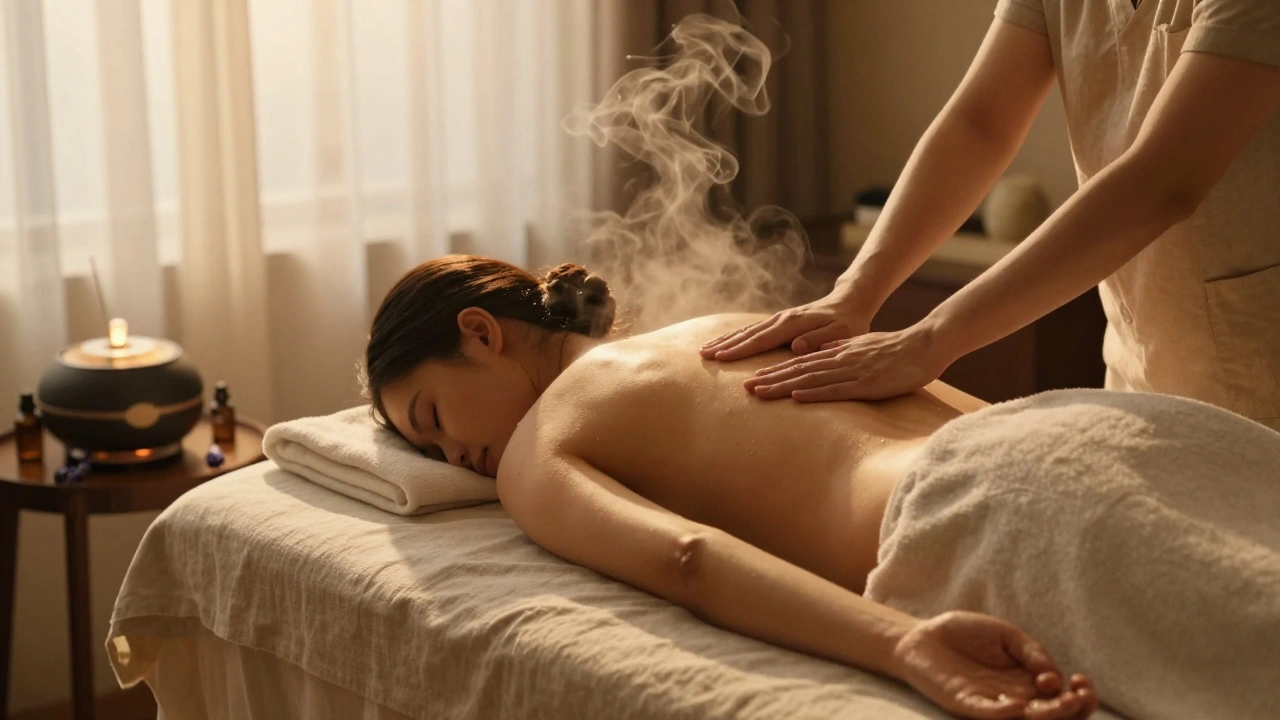
A full body massage isn’t just a longer version of a back rub. It’s a systematic, hands-on therapy that covers your head, neck, shoulders, arms, hands, back, legs, feet, and sometimes even the abdomen and glutes. Trained therapists use a mix of techniques-long flowing strokes, kneading, pressure points, and gentle stretching-to work through layers of muscle and connective tissue.
It’s not about hitting every spot with brute force. It’s about reading your body’s signals. A good therapist will adjust pressure based on how your muscles respond. You might feel a deep release in your hips after a few minutes of focused work, or your jaw might finally unclench when they gently work the temples.
This isn’t just relaxation-it’s a full-system reset. Your body has been holding onto stress in places you didn’t even realize. A full body massage brings awareness back to those areas, helping you reconnect with how you actually feel.
Why It Works: The Science Behind the Relaxation
It’s not magic. It’s biology.
When you’re under constant stress-whether from work, sleepless nights, or just life in general-your body stays stuck in fight-or-flight mode. Cortisol, the stress hormone, stays high. Your muscles stay tense. Your digestion slows. Your immune system gets weaker.
Studies from the Journal of Clinical Psychiatry show that regular massage therapy can reduce cortisol levels by up to 31%. At the same time, it boosts serotonin and dopamine-your brain’s natural mood lifters. That’s why people often feel calmer, clearer-headed, and even happier after a session.
But it doesn’t stop there. Massage increases blood flow, which means more oxygen and nutrients get delivered to tired muscles. It helps flush out lactic acid and other metabolic waste that builds up after exercise or long hours at a desk. That’s why athletes swear by it-and so do office workers who sit for eight hours a day.
And here’s something most people don’t expect: it improves sleep. Not just because you’re relaxed, but because massage helps regulate melatonin, the hormone that tells your body it’s time to rest. People who get regular full body massages report falling asleep faster and sleeping more deeply.
The Real-Life Benefits You Can Feel
Let’s talk about what this actually looks like in real life.
- Chronic pain? People with lower back pain who get weekly full body massages report up to 40% less discomfort after six weeks, according to research from the University of Washington.
- Headaches? Tension headaches often start in the neck and shoulders. A massage that releases those areas can cut the frequency of headaches by half.
- Low energy? When your muscles aren’t fighting tension, your body doesn’t burn energy just to stay upright. You feel lighter. More alert.
- Anxiety or overwhelm? One client in London told me she started coming every two weeks after her daughter was born. "I didn’t realize how much I was holding in until my arms finally let go," she said.
It’s not about fixing something broken. It’s about restoring balance. Your body was designed to move, rest, and recover. Modern life makes that hard. A full body massage gives you back what you’ve lost.
Types of Full Body Massage You’ll Find in London
Not all full body massages are the same. The technique used changes the experience-and the results.
- Swedish Massage: The classic. Gentle, rhythmic strokes. Best for beginners or anyone looking to unwind. Perfect if you’re new to massage or just want to melt into the table.
- Deep Tissue Massage: Targets deeper layers of muscle and connective tissue. Ideal if you’ve got knots that won’t budge, or if you’re an athlete or manual worker.
- Hot Stone Massage: Smooth, heated stones are placed along your spine and used to glide over muscles. The heat relaxes tissue so deeply, therapists can work with less pressure. Great for winter months or if you always feel cold.
- Aromatherapy Massage: Combines massage with essential oils like lavender, eucalyptus, or bergamot. These aren’t just for scent-they have calming or energizing effects on your nervous system.
- Thai Massage: Done on a mat, fully clothed. Involves stretching and acupressure. Feels more like yoga with hands. Excellent if you’re stiff or want to improve flexibility.
In London, most reputable spas offer a choice. You can even combine techniques-say, Swedish with hot stones and a touch of aromatherapy. The key is to tell your therapist what you need. Are you here to relax? Recover from a workout? Ease pain? They’ll tailor it.
How to Find the Right Place in London
London has hundreds of massage studios. But not all are created equal.
Start by looking for places that employ licensed therapists-check if they’re registered with the Complementary and Natural Healthcare Council (CNHC). That’s a good sign they’ve met national standards.
Read reviews on Google or Trustpilot, but pay attention to the details. Not just "Great massage!" Look for mentions like "took time to ask about my back pain" or "didn’t rush me out the door." That’s the kind of care that matters.
Some popular areas with trusted studios include Notting Hill, Islington, Shoreditch, and Chelsea. But don’t overlook smaller, independent places in places like Brixton or Hackney-they often offer more personalized service at lower prices.
Many places now offer online booking with filters: "deep tissue," "aromatherapy," "female therapist," "2-hour session." Use them. Don’t just pick the cheapest. Pick the one that feels right.
What to Expect During Your First Session
First-timers often worry about what happens next. Here’s what actually goes down.
You’ll start with a quick chat-maybe five minutes. The therapist will ask about any injuries, areas of pain, or conditions like high blood pressure. Be honest. This isn’t just formality-it’s safety.
You’ll be given a private room with soft lighting and calming music. You’ll undress to your comfort level. Most people keep their underwear on. You’ll be covered with a towel the whole time-only the area being worked on is exposed.
The massage itself lasts 60 to 90 minutes. You’ll lie face down first, then turn over. The therapist’s hands move slowly, deliberately. You might feel a little discomfort in tight spots, but it shouldn’t hurt. If it does, speak up. Good therapists welcome feedback.
Afterward, you’ll be offered water. Don’t skip it. Your body is flushing out toxins. You might feel a little lightheaded at first-that’s normal. Take your time getting up. Many people say they feel like they’ve been reset.
Pricing and Booking: What You’ll Pay in 2026
Prices in London vary based on location, therapist experience, and session length.
- 60-minute session: £60-£90
- 90-minute session: £90-£130
- 120-minute session: £120-£180
High-end spas in Mayfair or Belgravia might charge £150+, but you’ll get a more luxurious environment. For the same price, a skilled therapist in a smaller studio in Peckham or Brixton might give you a more focused, personalized session.
Many places offer introductory deals-£40 for your first 60 minutes. Or monthly packages: buy five sessions, get the sixth free. That’s a smart way to make it part of your routine.
Booking is easy. Most studios have websites with real-time calendars. You can even book via WhatsApp or Instagram DMs now. Don’t wait until you’re in agony. Book ahead. Even one session a month makes a difference.
Safety First: Who Should Avoid It?
Full body massage is safe for most people. But there are exceptions.
Avoid it if you have:
- An active infection or fever
- Recent surgery or unhealed wounds
- Severe osteoporosis
- Deep vein thrombosis (DVT)
- Uncontrolled high blood pressure
If you’re pregnant, let your therapist know. Special prenatal massage techniques exist-they’re not just "regular massage with less pressure."
Always tell your therapist about medications, especially blood thinners. And if you feel dizzy, nauseous, or in sharp pain during the session-stop immediately. Your comfort and safety come first.
Full Body Massage vs. Deep Tissue Massage: Which Is Right for You?
| Feature | Full Body Massage | Deep Tissue Massage |
|---|---|---|
| Primary Goal | Relaxation, stress relief, overall balance | Release chronic muscle tension, break up adhesions |
| Pressure | Light to moderate | Strong, focused |
| Best For | Stress, poor sleep, anxiety, general tension | Chronic pain, athletes, desk workers with tight shoulders/back |
| Session Length | 60-120 minutes | 60-90 minutes (focused areas) |
| After Effects | Feeling calm, light, refreshed | May feel sore for 24-48 hours-like after a workout |
| Frequency Recommended | Monthly or biweekly | Every 2-4 weeks, depending on need |
Think of it this way: full body massage is like a reset button. Deep tissue is like targeted repair. You can do both. Many people alternate: one month full body to unwind, next month deep tissue to fix stubborn knots.
Frequently Asked Questions
How often should I get a full body massage?
For general wellbeing, once a month is ideal. If you’re dealing with chronic pain, high stress, or intense physical activity, every two weeks works better. Think of it like brushing your teeth-you don’t wait until your gums bleed to do it. Consistency is what creates lasting change.
Do I need to be naked during a full body massage?
No. You’re always covered with a towel. Most people keep their underwear on. The therapist only uncovers the area they’re working on. If you’re uncomfortable, say so. A good therapist will adjust without judgment.
Can I get a full body massage if I have a medical condition?
It depends. If you have diabetes, heart disease, or are on blood thinners, talk to your doctor first. Most therapists will ask about your health during the intake-be honest. Many conditions are fine with adjustments. But if you have an infection, fever, or recent injury, wait until you’re healed.
Will I feel sore after a full body massage?
Usually not. Full body massage is meant to leave you relaxed, not bruised. If you feel sore, the pressure may have been too strong-or you’re releasing long-held tension. Drink water, take a warm bath, and move gently. It should pass in a day.
Is a full body massage worth the cost?
Think of it as preventative healthcare. A £70 massage once a month is less than your weekly coffee habit. But unlike coffee, it reduces stress hormones, improves sleep, and helps your body recover naturally. When you stop thinking of it as a treat and start seeing it as essential maintenance, the value becomes obvious.
Ready to Feel Different?
You don’t need to wait until you’re broken to try this. You don’t need to be an athlete or a CEO. You just need to be tired of feeling heavy.
Book your first session. Pick a time when you won’t rush afterward. Let yourself sink into the table. Breathe. Let your muscles loosen. Let your mind quiet.
This isn’t just about relief. It’s about reclaiming your body. And that? That’s worth more than any spa package.
Similar Posts


Boost Your Immunity with the Power of Body Massage
Personalized Body Massages in London: Ultimate Guide to Tailored Wellness
Discover how personalized body massages in London bring targeted relief, deep relaxation, and customized care. Learn types, benefits, tips, and booking steps.
Aromatherapy Massage for Beginners: Essential Guide & Tips
Learn the basics of aromatherapy massage: benefits, essential oil selection, beginner routine, safety tips, and how to find certified therapists.
Grace Shiach
January 23, 2026 AT 05:18Full body massage is a scientifically supported modality for stress reduction and musculoskeletal relief. The cited cortisol reduction figures are consistent with peer-reviewed literature. Recommended for individuals seeking non-pharmacological interventions.
Professional licensure and CNHC registration are critical indicators of competency. Always verify credentials before scheduling.
Hydration post-session is non-negotiable. Toxin mobilization requires adequate fluid intake to prevent rebound fatigue.
Rob Schmidt
January 23, 2026 AT 12:50This is just another way liberals spend money pretending they’re healthy. You don’t need to pay £100 to stop being tired. Go for a walk. Sleep more. Stop coddling your body like it’s a fragile porcelain doll.
Dan Helmick
January 23, 2026 AT 21:26Ah yes, the modern sacrament: paying someone to touch you while ambient spa music plays in the background like some kind of therapeutic incantation. We’ve replaced prayer with pressure points and called it self-care.
Let’s not forget that for most of human history, people healed through community, rest, and the absence of 14-hour workdays - not through £180 stone massages in Chelsea.
But of course, in a society that equates value with price tag, a massage must be expensive to be legitimate. The fact that you need a certified therapist, a towel, a scent diffuser, and a 90-minute window to feel human speaks less about your body and more about how broken our culture has become.
And yet, we’re told this is empowerment. That somehow, by spending your hard-earned cash on a stranger’s hands, you’re reclaiming your autonomy. How poetic. How tragic.
Meanwhile, the real issue - the systemic exhaustion baked into late-stage capitalism - remains untouched. But hey, at least your glutes feel loose.
Maybe the real massage is quitting your job. Or sleeping without an alarm. Or saying no. But that wouldn’t generate a blog post with a table comparing Swedish to Thai. Would it?
Still… I’ll admit, I once cried during a shoulder release. So… I guess I’m not above the magic either.
Juhi Edwin
January 25, 2026 AT 06:06I love how this breaks down the different types - I’ve tried Swedish and Thai and they feel like completely different experiences. Thai massage was like being gently pulled into yoga by someone who really knows their stuff.
I used to think massage was just for rich people or athletes, but after my mom had surgery and started doing monthly sessions for pain, I realized it’s more like physical maintenance - like changing your oil.
Also, the part about hydration afterward? So true. I once skipped it and felt weirdly nauseous for hours. Now I always drink a full bottle. Small thing, big difference.
And I agree with the point about small studios. I found this one in East LA run by a woman who’s been doing this for 30 years. She remembers your name, your stress points, and never rushes you. Paid less than half of what I paid at the fancy spa downtown.
Don’t overthink it. Just try one. Even if it’s just 60 minutes. Your body will thank you before your mind even catches up.
jasmine zeindler
January 25, 2026 AT 11:36Ugh, I love how this post is so… accessible. Like, who even gets a 60-minute massage anymore? I only do 120-minute aromatherapy with Himalayan salt stones and organic lavender oil from Provence - and only with a therapist who’s trained in somatic psychology and speaks fluent French, obviously.
Also, I refuse to book anywhere that doesn’t have a dedicated meditation nook and organic chamomile tea served in hand-thrown ceramic. If it’s not a full sensory ritual, it’s just… touch.
PS: My therapist says my sacrum has unresolved trauma from 2019. I cried. It was beautiful.
PPS: £180? Honey, I paid £240 last time. And I didn’t even get the rose quartz wand upgrade.
PPPS: I only go on the third Thursday of the month. It’s astrologically aligned. 🌙✨
Michelle Avendano
January 25, 2026 AT 22:03I used to think I was fine until I cried during a foot rub
Turns out I was holding my breath for three years
Now I go every two weeks
My husband says I’m different
He doesn’t know why
I don’t tell him
It’s not his place
But I’m lighter now
And I sleep
Actually sleep
Not just pass out
Thank you
Thank you
Thank you