
Discover how full body massage can improve digestion, the science behind it, and what to expect from a session in London.
- Created by: Liam Redgate
- Completed on: 1 Dec 2025
- Categories: Full Body Massage
You’ve had a long week. Your shoulders are locked up, your lower back aches, and your mind won’t shut off-even when you’re lying in bed. You know you need to reset. But what if you could walk into a room, lie down, and let someone else take care of everything? Not just any massage-full body massage-tailored to your body, your stress, your rhythm. This isn’t a one-size-fits-all spa cliché. It’s real, it’s personal, and it works.
What Exactly Is a Full Body Massage?
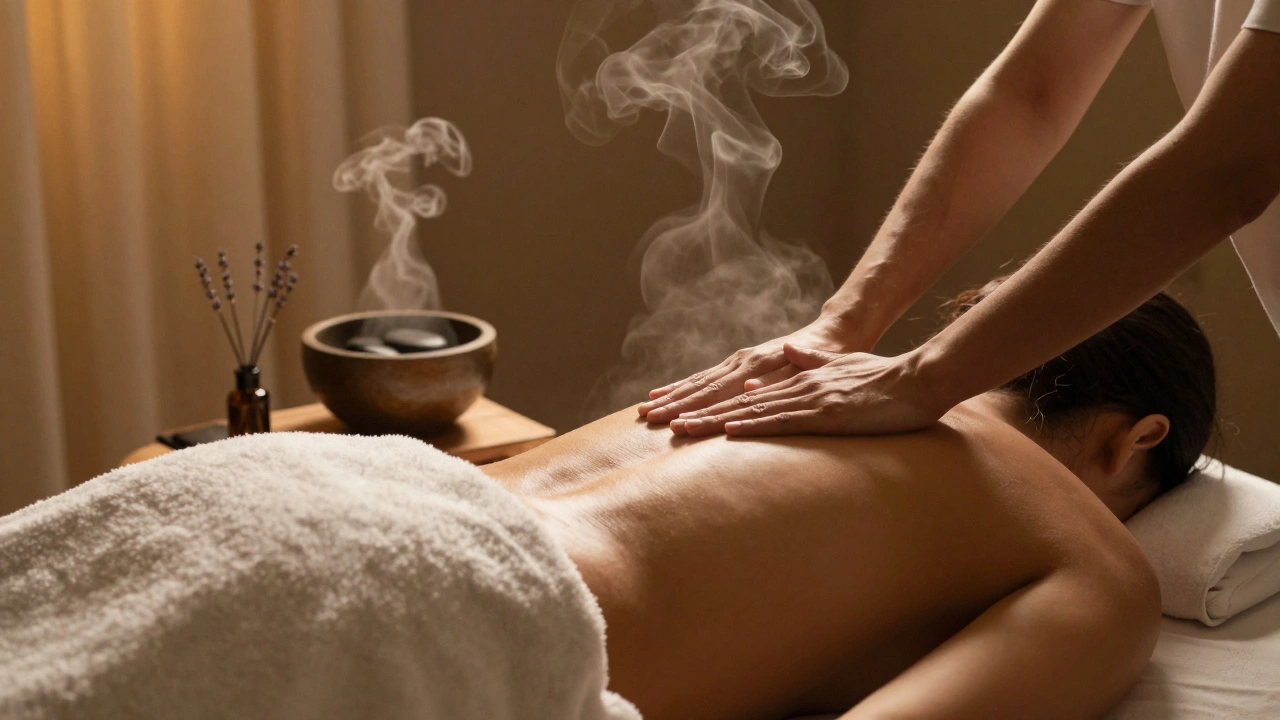
A full body massage isn’t just a longer version of a back rub. It’s a systematic, hands-on session that covers your head, neck, shoulders, arms, hands, back, glutes, legs, and feet. Most therapists use a combination of techniques-effleurage (long, gliding strokes), petrissage (kneading), friction, and compression-to release tension, improve circulation, and calm your nervous system. You’ll typically lie on a massage table, covered with a sheet, and only the area being worked on is exposed.
It’s not about hitting every muscle with brute force. It’s about listening-to your body’s signals, your breathing, your tension points. A good therapist will adjust pressure based on your feedback. Too light? Say so. Too deep? Tell them. This isn’t a performance. It’s a conversation between your body and their hands.
Why a Full Body Massage Isn’t Just a Luxury-It’s a Reset Button
Think about how much your body holds onto. Stress from work. Hours hunched over a screen. Poor sleep. That tightness in your jaw you didn’t even notice until you started the massage. A full body massage doesn’t just relax muscles-it lowers cortisol, boosts serotonin, and activates your parasympathetic nervous system. That’s the part of your brain that says, “It’s safe to rest now.”
Studies show regular massage can reduce chronic pain by up to 50% in people with lower back issues. It improves sleep quality by increasing slow-wave sleep-the deep, restorative kind. People who get monthly full body massages report better mood, less anxiety, and even fewer headaches. This isn’t magic. It’s physiology.
One client, a nurse working 12-hour shifts, told me she started getting massages every three weeks after her third pregnancy. “I didn’t realize how much I was holding in my shoulders until my therapist said, ‘Your traps are like concrete.’ I cried. Not because it hurt-but because I finally felt seen.” That’s the power of being touched with intention.
Types of Full Body Massage You Can Actually Try
Not all full body massages are the same. The technique changes everything. Here are the most common styles you’ll find:
- Swedish Massage: The classic. Gentle, flowing strokes. Best for relaxation, stress relief, and beginners. Uses light to medium pressure.
- Deep Tissue Massage: Targets deeper layers of muscle and connective tissue. Good for chronic pain, athletes, or people with stiff, tight muscles. Can feel intense but should never hurt.
- Hot Stone Massage: Smooth, heated stones are placed on key points and used to massage. The warmth melts tension faster. Ideal if you’re always cold or have deep muscle stiffness.
- Aromatherapy Massage: Combines essential oils (like lavender or eucalyptus) with Swedish techniques. The scent alone can lower heart rate and ease anxiety.
- Thai Massage: Done on a mat, fully clothed. Involves stretches, yoga-like movements, and pressure along energy lines. More active, less passive. Great if you’re stiff from sitting all day.
Most places offer a base full body massage-you can then add extras like hot stones, aromatherapy, or extra time on problem areas. Don’t feel pressured to pick the “most advanced” option. Sometimes, the simplest version is the most effective.
What Happens During a Typical Session?
Picture this: You walk into a quiet room, warm lighting, soft music. The therapist greets you with a calm smile, asks how you’re feeling, and if there’s anything specific you want to focus on. You change into your underwear (or leave them on-your choice), get covered with a towel, and lie face down.
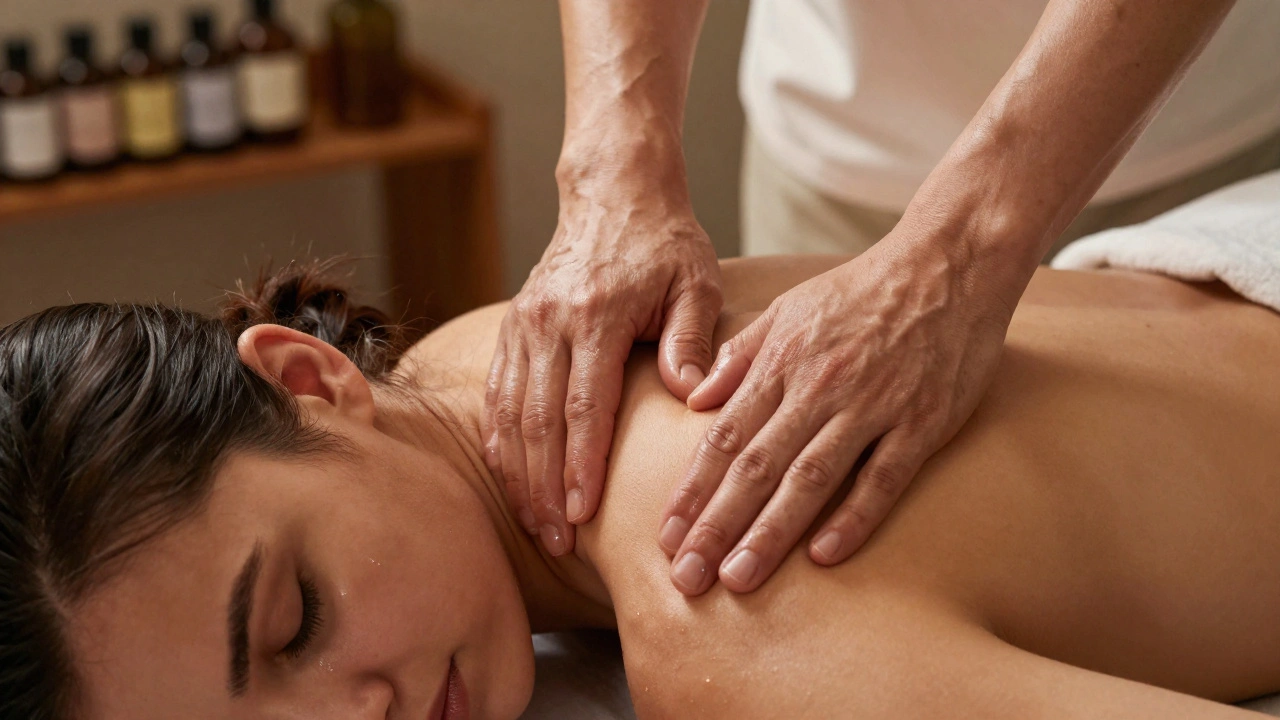
They start with your back-long strokes down your spine, gentle circles around your shoulder blades. Then they move to your legs, feet, arms, and finally your head and neck. You might feel a few tender spots. That’s normal. A good therapist will pause, breathe with you, and ask, “Is this okay?”
They won’t rush. A full session usually lasts 60 to 90 minutes. The first 10 minutes are slow, letting your body settle. The middle 40 minutes are where the real work happens. The last 10 minutes? Pure calm. You might drift off. That’s the goal.
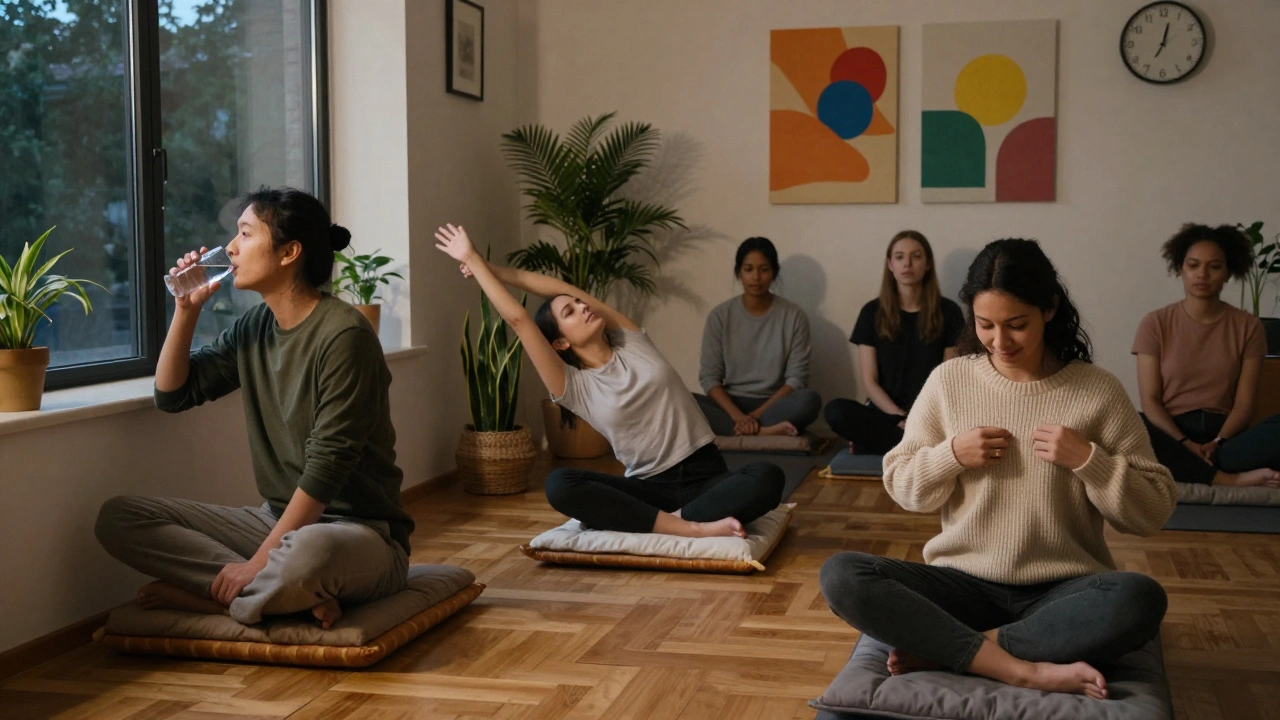
Afterward, you’ll be offered water. You might feel a little lightheaded. That’s your nervous system shifting gears. Don’t jump up. Sit for a minute. Let yourself come back.
How to Find the Right Place-And the Right Therapist
You wouldn’t trust a random person to fix your car. Don’t trust your body to someone you don’t feel comfortable with.
Look for licensed massage therapists (LMTs), not just “spa technicians.” Check their credentials. A good therapist will have a state license, liability insurance, and at least 500 hours of training. Ask if they specialize in full body work-not just “relaxation” or “sports.”
Read reviews, but not just the five-star ones. Look for comments like: “They asked what I needed,” or “They didn’t rush me,” or “They remembered I had a bad knee from last time.” That’s the sign of someone who pays attention.
Don’t be afraid to try two or three places. The first one might feel too corporate. The second might be too quiet. The third? That’s the one where you feel like you’re finally being heard.
What It Costs-and What You’re Actually Paying For
Prices vary by city, experience, and session length. In most urban areas:
- 60-minute session: $70-$120
- 90-minute session: $100-$180
- 120-minute session: $150-$250
Is that expensive? Compared to a monthly gym membership? A weekly coffee habit? A single therapy session? It’s not. You’re paying for time, expertise, and a space where you’re not expected to perform, answer emails, or be “on.”
Some places offer packages-buy five sessions, get one free. Others have loyalty discounts. If you’re on a budget, look for massage schools. Trainees give sessions under supervision for $30-$50. It’s a great way to try it without the premium price.
What to Avoid-Safety First
Not everyone should get a full body massage. Avoid it if you have:
- An active infection or fever
- Recent surgery or injury (wait at least 6 weeks)
- Deep vein thrombosis (blood clots)
- Severe osteoporosis or uncontrolled high blood pressure
Always tell your therapist about any medical conditions, medications, or recent injuries-even if you think it’s irrelevant. If you’re pregnant, make sure they’re trained in prenatal massage. Never let someone press on your lower back during the first trimester.
And never feel pressured to undress more than you’re comfortable with. You’re in control. Always.
Full Body Massage vs. Deep Tissue Massage: Which One Do You Need?
| Feature | Full Body Massage | Deep Tissue Massage |
|---|---|---|
| Primary Goal | Relaxation, stress relief, overall tension release | Targeted relief for chronic muscle tightness and pain |
| Pressure | Light to medium | Medium to firm, sometimes intense |
| Technique | Flowing strokes, gentle kneading | Slow, focused pressure, cross-fiber friction |
| Areas Covered | Head to toe | Focus on problem areas (back, neck, shoulders, hips) |
| Best For | First-timers, stress relief, general wellness | Athletes, desk workers, chronic pain sufferers |
| After Effects | Feel calm, light, refreshed | May feel sore for 1-2 days-like after a good workout |
If you’re new to massage, start with full body. If you’ve been carrying tension for years and your shoulders feel like they’re fused to your ears? Try deep tissue. Many people alternate-full body for maintenance, deep tissue for targeted relief.
Frequently Asked Questions
How often should I get a full body massage?
For general stress relief and maintenance, once a month is ideal. If you’re dealing with chronic pain or high stress, every two weeks works better. Athletes or people with physically demanding jobs might benefit from weekly sessions. Listen to your body-if you feel tense again before your next appointment, don’t wait.
Do I have to take off all my clothes?
No. You can keep your underwear on. Most therapists use draping-only the area being worked on is uncovered. You’ll always be covered with a towel or sheet. If you’re uncomfortable, say so. A good therapist will adjust without judgment.
Can I talk during the massage?
You can, but most people don’t. The point is to let your nervous system settle. If you need to tell them the pressure’s too much, speak up. Otherwise, silence is fine. Some therapists even turn off the music so you can rest fully.
Will I feel sore afterward?
Usually not with a standard full body massage. You might feel a little tender in areas where tension was held, but it should feel like a good release-not pain. If you’re sore for more than 48 hours, the pressure was too deep. Let your therapist know next time.
Is a full body massage worth it if I’m not in pain?
Absolutely. Pain isn’t the only reason to get one. Think of it like brushing your teeth-you don’t wait until your gums bleed. Regular massage keeps your muscles flexible, your circulation moving, and your mind calm. It’s preventative care for your body.
Ready to Feel Like Yourself Again?
You don’t need a special occasion to treat yourself. You don’t need to wait until you’re “broken.” You just need to decide you’re worth the time. A full body massage isn’t about luxury. It’s about reclaiming the space your body deserves to be held, listened to, and cared for.
Book your first session. Try a 60-minute Swedish massage. Lie down. Breathe. Let go. You’ve earned it.
Similar Posts
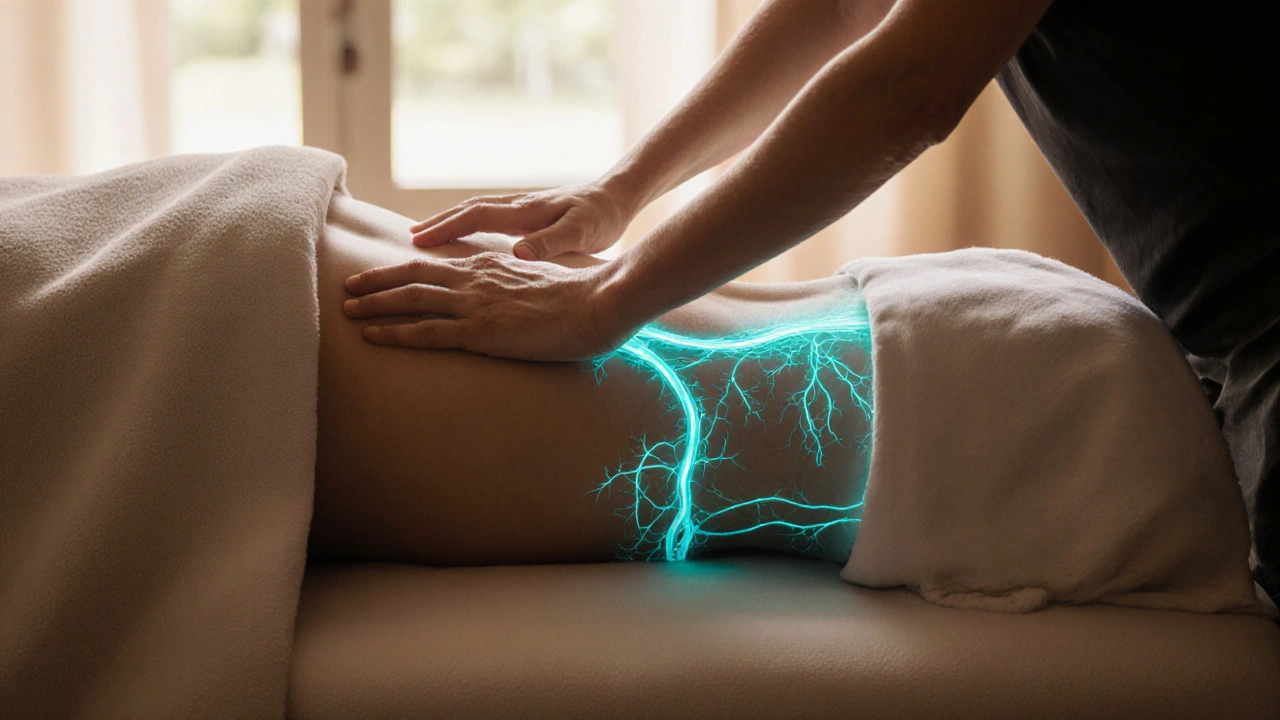


How Full Body Massage Boosts Digestion: Benefits, Science, and What to Expect
Couples Massage: The Ultimate Way for Two to Relax Together
Discover why couples massage is the go-to escape for partners looking to unwind and connect. This article breaks down what makes it special, highlights real perks, and gives you all the practical info you need before booking. Get a rundown of all the main types, what to expect in a session, and tips to ensure a great experience. Whether you're celebrating an anniversary or just need a break, a couples massage could be just what you need. Find out if it's the right move for you and your partner.
How Full Body Massage Boosts Mental Clarity and Focus
Discover how a full body massage can significantly enhance mental clarity and focus. This soothing experience doesn't just relax muscles; it also improves cognitive performance by reducing stress and increasing circulation. Learn about the various benefits, what to expect during a session, and how to ensure a safe and enjoyable experience. Whether you're a first-timer or a massage enthusiast, find out how regular sessions can transform your mental well-being.
Taranveer Dhiman
December 3, 2025 AT 03:19OMG this is literally the vibe I’ve been chasing since I quit my corporate job 🙌✨ Just got a 90-min hot stone + lavender aromatherapy session last week and I swear I floated home like a cloud made of zen. My cat even noticed-I’m not kidding, she curled up on my lap for the first time in months. This isn’t massage. It’s soul WiFi. 🌿💆♂️
Joe Bailey
December 4, 2025 AT 03:24Let’s be real-this is just expensive self-indulgence wrapped in pseudoscientific fluff. You think your ‘parasympathetic nervous system’ gives a shit about your ‘rhythm’? I work 80-hour weeks, lift 400 lbs, and my ‘tension’ is called discipline. Massage? I stretch. I foam roll. I sleep. That’s it. Stop selling weakness as wellness. This isn’t therapy-it’s a spa cult.
And don’t get me started on ‘licensed therapists.’ Half of ‘em can’t tell a latissimus from a latte.
danny henzani
December 4, 2025 AT 06:01USA? We got the best massages. India? They sell ‘Ayurvedic’ crap that smells like burnt incense and makes you cry. I got a 2-hour Thai massage in Bangkok once-some dude pulled my leg like I was a wet noodle. My spine still hasn’t forgiven him.
But hey-this article? It’s just another Silicon Valley hustle. ‘You’re worth it.’ Nah. You’re worth a damn push-up. A cold shower. A real job. Not some overpriced oil rub with ambient whale sounds. 🇺🇸💪
Also-why do they always say ‘you’re in control’? Bro, I’m naked under a towel. I’m not in control. I’m in surrender mode. And that’s the whole scam.
Tejas Kalsait
December 6, 2025 AT 05:15The physiological basis for massage is well-documented in neuromuscular physiology literature-cortisol reduction via tactile stimulation activates the vagus nerve, which modulates autonomic tone. But the commercialization of this has led to therapeutic commodification.
What’s missing is the epistemological framing: massage as embodied listening, not service delivery. The therapist’s attunement is the real modality-not the pressure technique.
Also-‘draping’ is not optional. It’s bioethical. If you’re not trained in anatomical boundaries, you shouldn’t be touching anyone.
And yes-I’ve had a 30-minute session that did more than a 90-minute spa experience. Quality > duration.
Emily Martin
December 6, 2025 AT 22:34I’ve been getting monthly massages for five years now. I didn’t think I needed them until I started noticing how much I clenched my jaw while typing. My therapist noticed too-she said, ‘You’re holding your breath.’ I didn’t even realize.
This isn’t about luxury. It’s about paying attention to your body before it screams. I’m not in pain. I’m not an athlete. I’m just a person who sits too much. And I deserve to feel soft again.
Also, the part about ‘not being pressured to undress’? That’s everything. I’ve had therapists who made me feel like I was doing something wrong for keeping my underwear on. This article got that right.
Thank you.
Grace Nean
December 8, 2025 AT 02:07Emily, you just said exactly what I needed to hear. I’ve been scared to try massage because I thought I’d have to ‘perform’ relaxation or be judged for being too tense. But your line about ‘feeling soft again’-that’s it. That’s the real goal.
I work in a hospital. I hold people’s hands while they die. I don’t have time to cry. But I do have time to lie still for an hour and let someone else hold me. Not fix me. Just hold me.
For anyone reading this who’s hesitant-start with 30 minutes. Wear your sweatpants. Say you’re nervous. They’ve heard it all. And you? You’re not broken. You’re just tired.
You’re worth this.
aidan bottenberg
December 8, 2025 AT 02:48While the article presents a compelling case for the therapeutic benefits of full-body massage, one must consider the economic accessibility of such services. The median U.S. household income is approximately $74,580 annually. At $120 per session, monthly massage expenditure represents 1.9% of gross income-a nontrivial allocation for many.
Furthermore, the emphasis on licensing and credentials, while valid, may inadvertently marginalize traditional healers and community-based practitioners who operate outside formal certification structures.
Perhaps the greater insight lies not in the technique, but in the cultural prioritization of rest as a right-not a privilege.