
Indian massage in London is the ultimate go-to for anyone feeling run down by the city’s relentless pace. It’s more than just a quick escape—it actually tackles stress and aches right where they start. This article covers what makes Indian massage unique, what you can expect during a session, where to find reputable spots in London, and smart tips for squeezing it into your schedule. Whether you need a full reset or just some tension melted away, you’ll find real answers here.
- Created by: Elara Wainwright
- Completed on: 28 Mar 2026
- Categories: Foot Massage
Your Feet Carry You Everywhere
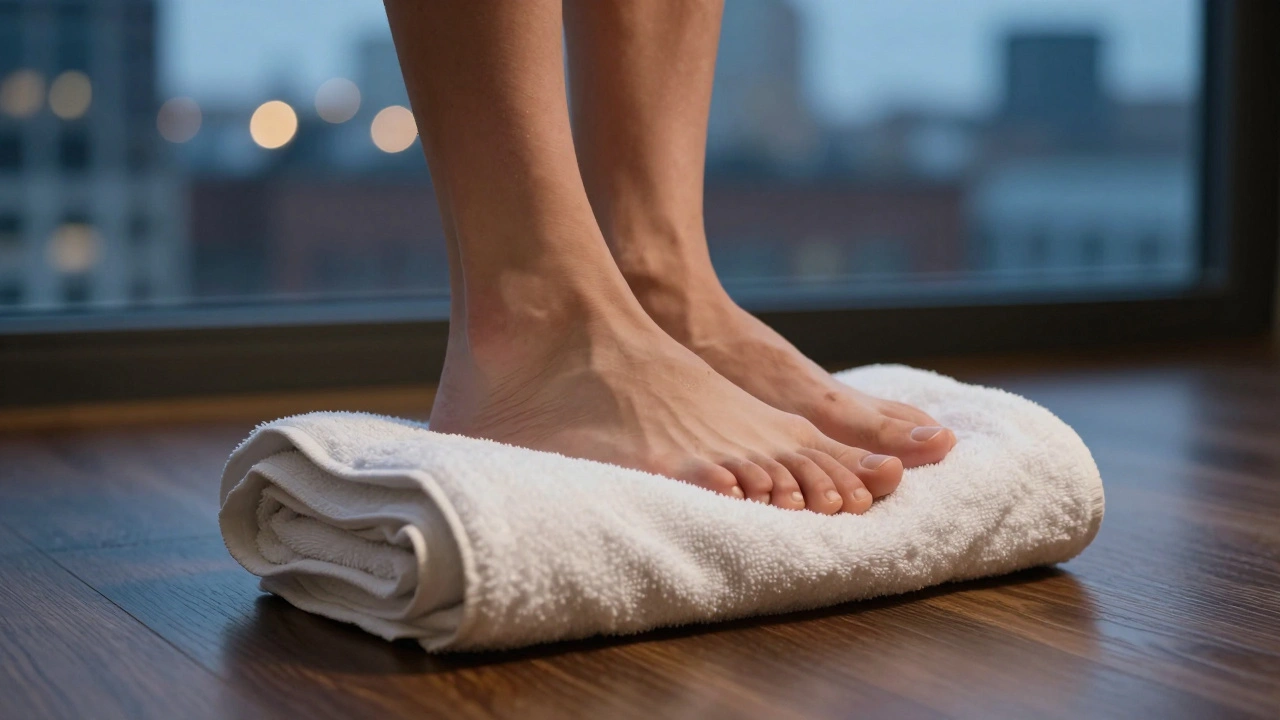
Ever feel like your legs are made of lead after a long day? You stand too much at work, you walk everywhere in this busy city, or maybe you just sit with them propped up watching TV until they swell. Foot massage is a therapeutic practice focused on kneading and stimulating the feet to relieve tension and improve health. It might sound simple, but it is often overlooked when we book full body treatments. We often think spa days mean shoulder rubs and back strokes, yet the foundation of our posture starts right under our weight.
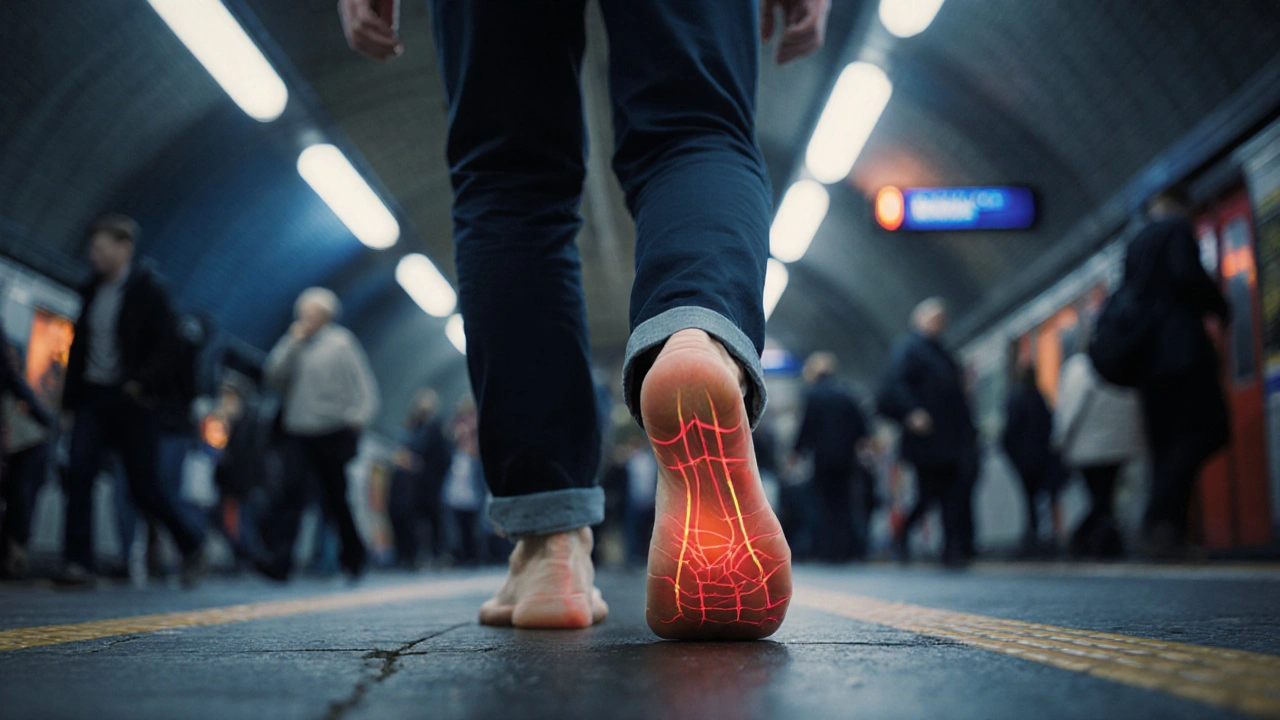
In London, walking through crowded streets or navigating the Underground takes a toll. By mid-afternoon, your arches might ache, your ankles feel heavy, and that subtle throbbing begins. Ignoring these signals leads to bigger issues. A session focuses energy where it matters most, turning fatigue into relaxation.
Understanding the Mechanics of Comfort
Many people think a foot rub is just rubbing oil on skin. While that provides temporary slickness, a professional treatment digs deeper. The feet contain over 20 bones, 33 joints, and nearly one hundred muscles, tendons, and ligaments. They also house over 7,000 nerve endings. When you engage with these structures properly, you trigger a systemic response throughout your body.
Reflexology plays a big role here. Unlike a casual massage, this approach maps specific areas on your soles to internal organs. For instance, pressing near the heel relates to the hips, while the big toe connects to the head. This isn't magic trickery; it is about nervous system pathways. Stimulating these points sends signals to the brain, telling specific regions to relax or repair. This connection helps explain why some people report feeling relief in their lower backs even though the therapist never touched them.
Key Health Benefits You Will Feel
The improvements aren't limited to softer skin. Here is what actually changes when you commit to regular care:
- Improved Circulation: Kneading movements pump blood around stagnant areas, reducing swelling common after standing all day.
- Pain Reduction: Conditions like Plantar fasciitis cause sharp heel pain. Gentle stretching and massage loosen the fascia, reducing morning stiffness.
- Better Sleep: Parasympathetic nervous system activation lowers cortisol levels, making it easier to drift off later that night.
- Digestive Support: Specific pressure points can stimulate gut motility, helping settle bloating or sluggish digestion.
If you spend hours behind a desk, your feet get compressed inside shoes without movement. Getting those tissues stretched restores range of motion. Think of it as loosening rusted hinges so doors swing open freely again.
Styles Available in London Clinics
Not every clinic offers the same thing. Walking into a shop in Shoreditch or Mayfair might yield different menus. Understanding the difference saves you booking the wrong appointment.
Traditional Thai Style
This involves firm pressure and stretching. It is less oily and more like yoga for your feet. You wear clothes during this session, and the therapist uses their hands, elbows, and sometimes knees. It feels intense and is great for tight calves.
Swedish Foot Techniques
Think long, gliding strokes with warm oils. This prioritizes circulation and muscle relaxation rather than deep joint manipulation. It suits first-timers better because the sensation is smoother.
Aromatherapy Fusion
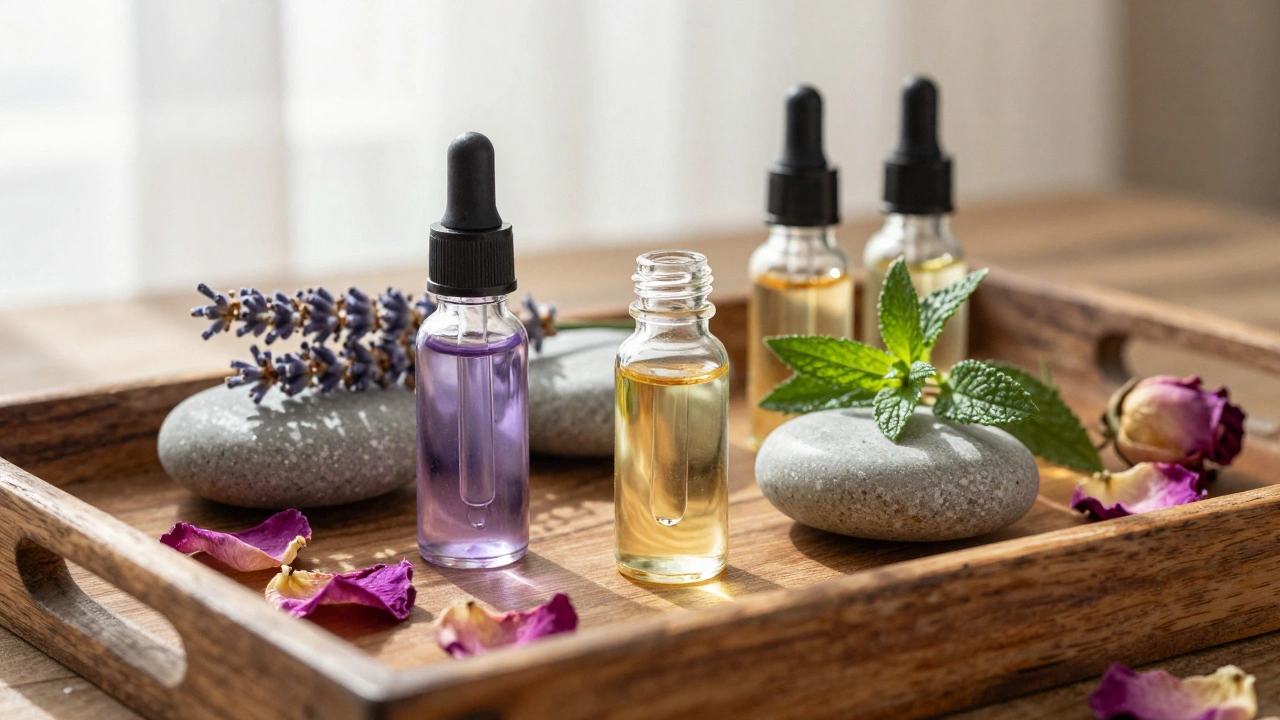
Essential oils like lavender or peppermint mix with standard techniques. The scent aids relaxation while the touch works physically. Some venues offer hot stone additions where warmed basalt rocks apply heat to sore spots.
How to Book a Quality Session
Finding a safe pair of hands requires a little due diligence. Anyone can buy a manual online, but certified therapists understand anatomy boundaries.
- Check Credentials: Look for therapists registered with recognized bodies like the CNHP or CMCB. This ensures insurance coverage and training standards.
- Read Local Reviews: London has hundreds of options. Check Google reviews specifically mentioning hygiene and professionalism. One bad smell or dirty towel can ruin the vibe instantly.
- Clarify Preferences: Do you want hard pressure or gentle care? Be upfront. Many clinics ask this during booking, which prevents awkward moments halfway through.
Most reputable spas in central London have online booking portals. They usually hold a security deposit to prevent no-shows, so be careful of last-minute cancellations policies.
Walking Into the Room: What Happens Next
You arrive, sign a waiver, and fill out a medical form. Be honest about recent injuries or pregnancy. A good practitioner needs to know if there are risks involved. Once settled, you undress down to your knees. A clean sheet covers everything else, exposing only the foot being worked on.
The room stays warm. The temperature helps muscles loosen faster. The therapist might wash your feet first or pour warm water over them to soften calluses. Then comes the work. Start slow. As trust builds, pressure increases. Communication is key. If it hurts too much, speak up. Pain shouldn't be extreme, just productive discomfort.
Tips for First-Timers:
- Drink water beforehand to help flush toxins released.
- Wear comfortable socks on the way over.
- Plan to rest afterwards; do not schedule heavy lifting immediately after.
Cost and Value in the Capital
Pricing varies wildly depending on location. In prime zones like Westminster or Kensington, expect higher rates compared to outer boroughs.
- Standard Session (30 mins): Usually ranges from £30 to £50.
- Extended Treatment (60 mins): Typically costs between £60 and £90.
- Luxury Packages: High-end resorts may charge £120+ including extras like paraffin wax dips.
Many places offer membership discounts for monthly visits. If you suffer chronic conditions, investing in a package deal often makes financial sense over time. Always ask about cancellation fees to avoid unexpected charges.

Safety and Contraindications
While mostly safe, some conditions require caution. Deep vein thrombosis (blood clots) is a serious risk. Massaging over a clot can dislodge it, causing dangerous complications elsewhere. Diabetics need extra care too. Nerve damage means they might not feel cuts or blisters forming easily. Tell your therapist about these conditions clearly.
Pregnancy changes hormone levels and fluid balance. Certain pressure points linked to the uterus should be avoided in early trimesters. However, many specialized prenatal sessions exist designed for safety. Always consult your GP before starting any new routine if you have complex health histories.
| Feature | Foot Massage | Full Body Massage |
|---|---|---|
| Focus Area | Feet, Ankles, Calves | Back, Shoulders, Legs, Arms |
| Duration | 30 - 60 Minutes | 60 - 90 Minutes |
| Intensity | Often Deeper Pressure | Varies Widely |
| Cost | Generally Lower Price Point | Generally Higher Price Point |
| Best For | Stress, Circulation, Local Pain | Whole Body Tension Relief |
Frequently Asked Questions
Is foot massage suitable for everyone?
Most people enjoy it, but those with blood clots, infections, or severe diabetes complications should consult a doctor first.
Do I need to tip the therapist?
Tipping isn't mandatory in London salons but appreciated. Around 10% to 15% is standard if service was excellent.
How often should I get a foot massage?
Weekly sessions help maintain flexibility. Monthly visits suffice for general maintenance unless you have specific injuries.
Will my feet hurt the next day?
Mild soreness is normal as toxins move. Drink plenty of water to minimize this effect and speed up recovery.
Can I go straight home after the session?
Yes, but try to drive yourself or take public transport. Your reflexes might be slightly slowed due to deep relaxation.
Ready to Reclaim Your Steps?
Your journey back to vitality starts below the waist. Whether it is a quick half-hour reset before dinner or a weekend luxury indulgence, treating your feet respects the work they do for you. London offers countless skilled therapists waiting to help you stand tall. Take the first step today.
Similar Posts

Indian Massage in London: The Perfect Fix for Busy Lives
Foot Massage for Better Circulation: Complete Guide & Benefits
Learn how foot massage improves blood flow, reduces swelling, and supports heart health. Get tips on techniques, finding London therapists, pricing, safety, and FAQs.
The Surprising Link Between Foot Massage and Heart Health
Foot massage, often considered a luxury, holds surprising benefits for heart health. By improving circulation and reducing stress, it supports cardiovascular well-being. This article dives into the science behind these claims, offering practical tips and insights on how to integrate foot massages into your wellness routine. Discover a simple yet effective way to care for your heart and body.