
Learn the key differences between a massage therapist and physical therapist in London - when to see each, what they do, how much it costs, and how they work together for better results.

- Created by: Liam Redgate
- Completed on: 5 Dec 2025
- Categories: Massage Therapy
You know that knot in your shoulders that won’t go away? Or the headache that starts behind your eyes every afternoon? Maybe you’ve been ignoring it, thinking it’s just stress. But what if your body’s screaming for help-and you’re just not listening?
Massage therapy isn’t just a luxury for spa days. It’s a practical, science-backed way to reset your nervous system, release chronic tension, and fix small problems before they become big ones. In London, where life moves fast and shoulders carry the weight of deadlines, commutes, and screen time, knowing when to book a session can make all the difference.
You’re constantly tense, even when you’re not working
Ever notice how your shoulders stay hunched even when you’re watching TV? Or how your jaw clenches without you realizing it? That’s not normal. Your body isn’t designed to stay in fight-or-flight mode for weeks on end. Chronic muscle tension is your nervous system’s way of saying it’s overwhelmed. A massage therapist doesn’t just rub your back-they help calm your nervous system. Studies show that regular massage lowers cortisol (the stress hormone) by up to 31% and increases serotonin and dopamine. That’s not magic. That’s physiology.
Your muscles ache all the time-even after rest
You slept eight hours. You took a walk. You drank water. But your lower back still feels like it’s been hit by a truck? That’s not fatigue. That’s muscle adhesion. When muscles are overused or held in the same position (hello, desk job), they stick together. It’s like dried glue between fibers. Foam rollers won’t fix this. Neither will stretching alone. A licensed massage therapist uses deep tissue techniques to break those adhesions, restore mobility, and get blood flowing where it’s stuck. If your pain lingers past 48 hours, it’s not just soreness. It’s a signal.
You’re always tired, even when you’ve slept enough
Feeling drained? Not from lack of sleep-from lack of recovery. Chronic stress keeps your body in survival mode. Your muscles stay tight. Your circulation slows. Your lymphatic system, which flushes out toxins, gets sluggish. Massage therapy physically stimulates lymph flow and improves circulation. One 2022 study in the Journal of Clinical Psychology found that people who received weekly massages reported significantly higher energy levels within just three weeks. It’s not a caffeine fix. It’s a system reset.
Your posture has gotten worse-and you can’t fix it
Slouching? Forward head? Rounded shoulders? These aren’t just bad habits. They’re physical adaptations. Your body’s compensating for tight chest muscles and weak upper back muscles. You can do all the yoga poses in the world, but if the tightness isn’t released, your posture will snap back. A skilled massage therapist identifies these imbalances and targets the specific muscles pulling you out of alignment. Think of it like untangling a knot before you try to straighten the rope.
You get frequent headaches or migraines
Most headaches aren’t caused by stress alone-they’re caused by tension in the neck and upper back. The suboccipital muscles, right at the base of your skull, are often the culprits. When they tighten, they pull on nerves that trigger migraines and tension headaches. Massage therapists trained in craniosacral or myofascial release can gently release these muscles in ways that pills never can. One client in Camden, after six sessions, went from four migraines a month to one-and stopped taking triptans entirely.
You’re stiff when you wake up
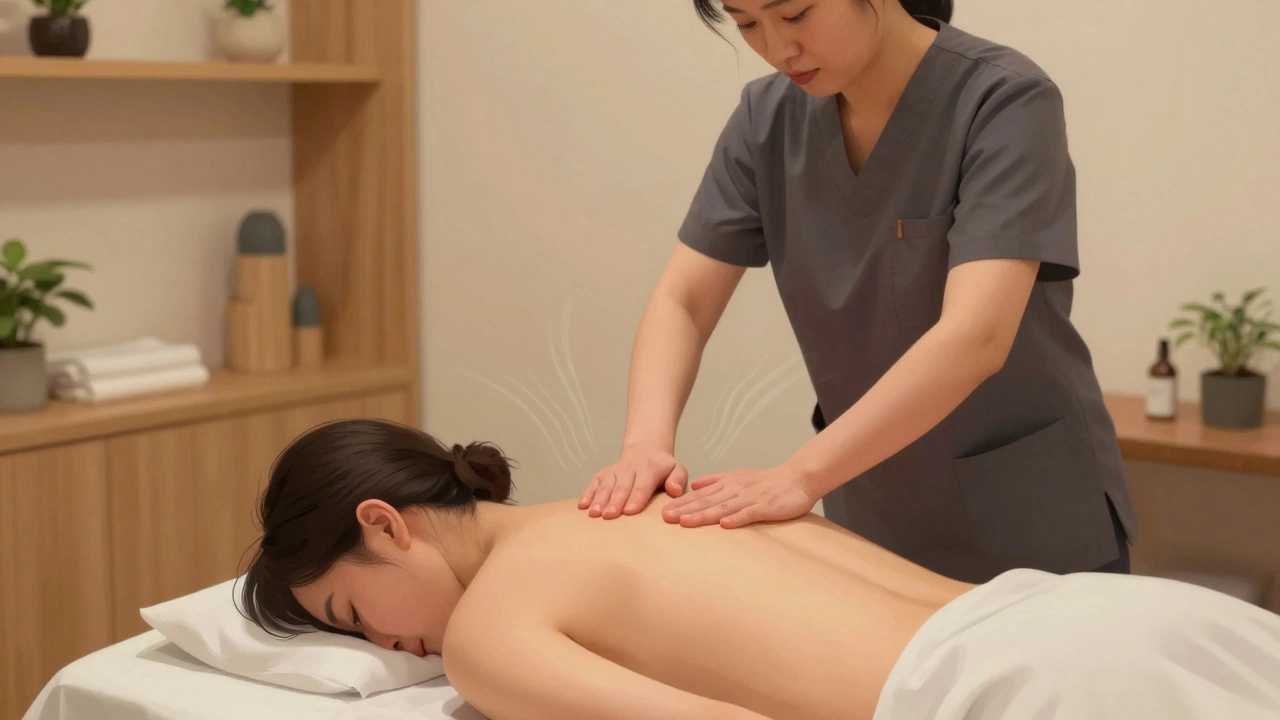
Waking up feeling like you’ve been frozen overnight? That’s not aging. That’s inflammation and restricted movement. During sleep, your body doesn’t move much. If your muscles are already tight, they stiffen further. Massage increases circulation and reduces inflammatory markers like IL-6. Regular sessions can help you wake up feeling loose, not locked up. It’s like hitting a refresh button on your body every few weeks.
You’ve been told you have “tech neck” or “texting thumb”
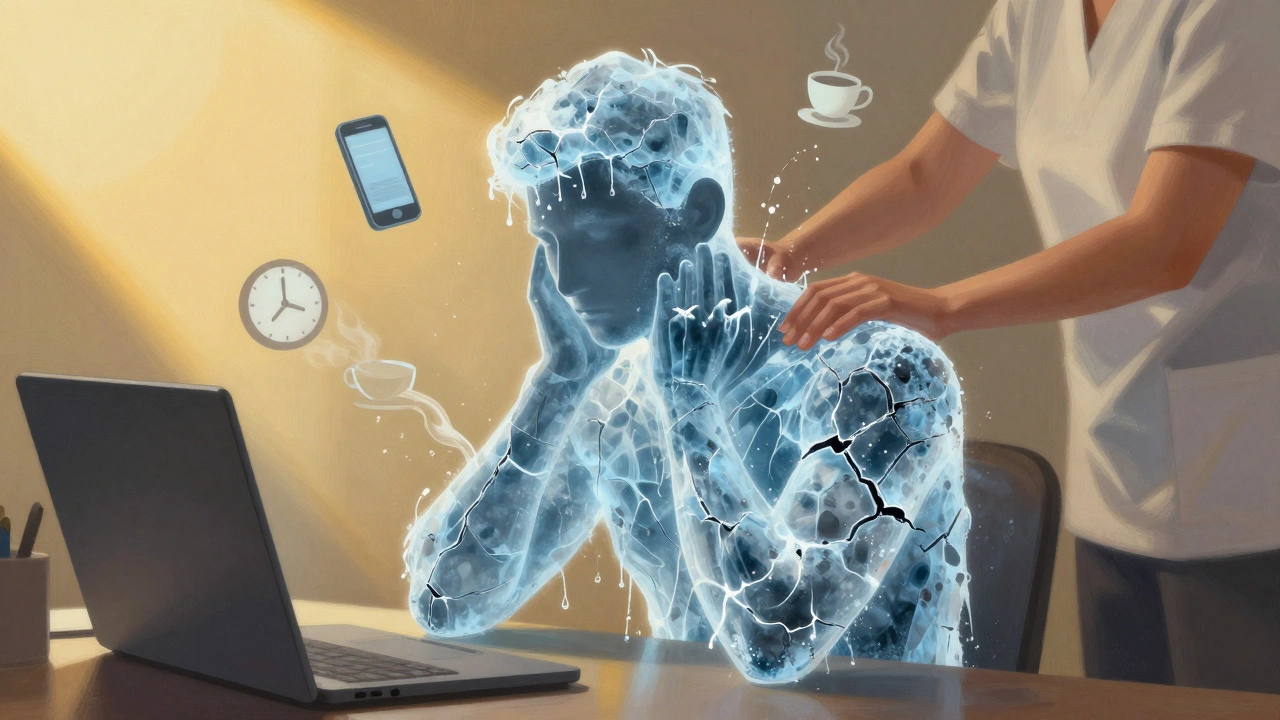
Those terms aren’t just buzzwords. They’re real conditions. Constant phone use tightens the muscles in your neck, forearms, and thumbs. Repetitive strain isn’t just for factory workers-it’s for anyone scrolling for hours. A massage therapist can target the flexor tendons in your wrist, the scalenes in your neck, and the trapezius muscles that carry the weight of your screen-glued head. They’ll give you stretches too. But first, they’ll undo the damage.
You’re irritable, anxious, or emotionally drained
Your mind and body are connected. When your muscles are tight, your brain interprets it as danger. That keeps your stress response active. Over time, that leads to anxiety, irritability, and emotional burnout. Massage therapy triggers the parasympathetic nervous system-the “rest and digest” mode. People who get regular massages report better sleep, less anxiety, and improved mood. It’s not a therapy session. But it works like one.
You’ve been avoiding movement because it hurts
Do you skip the gym because your hips feel stiff? Avoid walking your dog because your knees ache? That’s your body telling you something’s wrong. Pain isn’t something to push through-it’s a warning. Massage therapy helps restore range of motion. It reduces scar tissue. It improves joint mobility. You don’t need to wait until you’re injured. If movement feels harder than it should, it’s time to get help.
You’ve tried everything else-and nothing worked
You’ve stretched. You’ve foam rolled. You’ve taken anti-inflammatories. You’ve tried chiropractors, physiotherapists, acupuncture. Still no relief? That doesn’t mean nothing will work. It means you haven’t tried the right kind of hands-on therapy. Massage therapists are trained to read tissue texture, tension, and movement patterns. They don’t just apply pressure-they diagnose. If you’ve been stuck in a cycle of temporary fixes, a skilled massage therapist can find the root cause.
What to expect during your first session
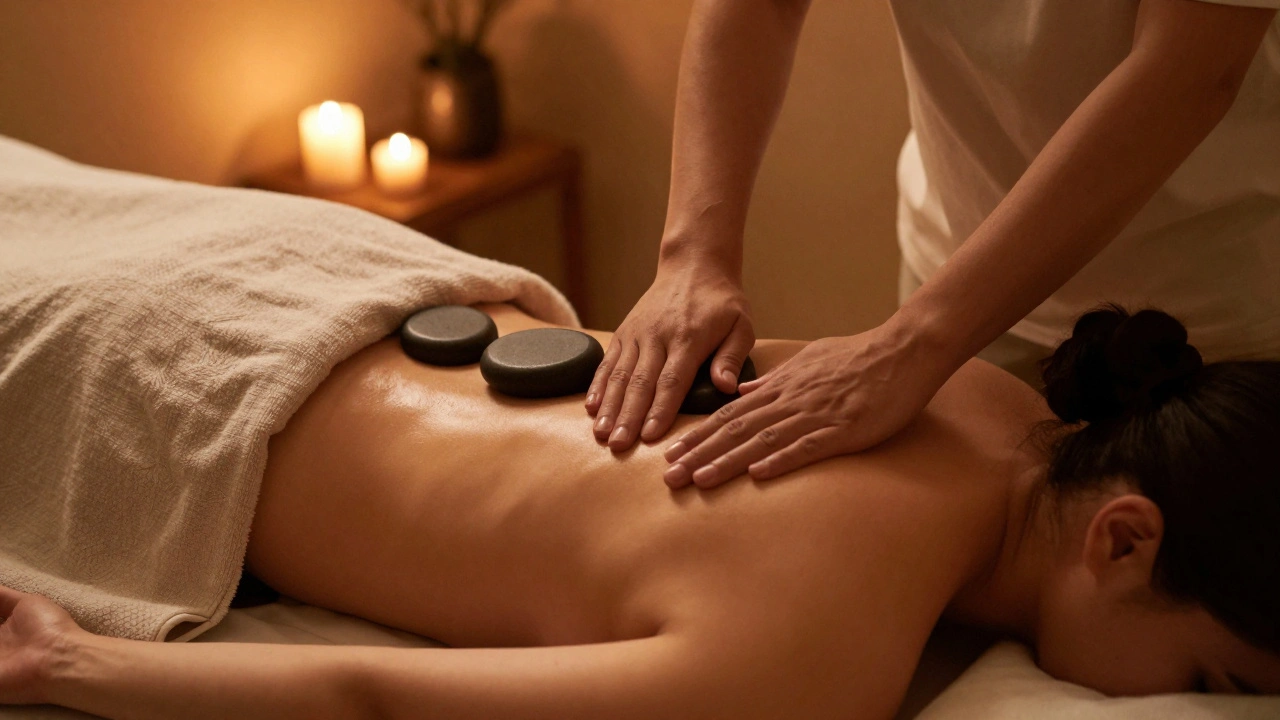
You’ll fill out a quick health form-nothing invasive. The therapist will ask about your pain, stress levels, and goals. You’ll undress to your comfort level (under a sheet, always). They’ll use oil or lotion, and the room will be warm and quiet. The first session usually lasts 60-75 minutes. It’s not just about relaxation. It’s about assessment. They’ll check your posture, ask you to move your arms or legs, and adjust their technique based on what they feel. You might feel a little sore afterward-but that’s normal. It’s like a good workout.
How to find a good massage therapist in London
Not all massage therapists are the same. Look for someone registered with the Complementary and Natural Healthcare Council (CNHC). That means they’ve met national standards for training and ethics. Check reviews on Google or Trustpilot. Look for mentions of “deep tissue,” “sports massage,” or “myofascial release” if you have specific issues. Avoid places that advertise “erotic massage” or “happy ending”-those aren’t therapy. Real therapists focus on healing, not pleasure.
Popular areas with reputable clinics include Soho, Camden, Islington, and Richmond. Many offer online booking and even corporate packages. Some even do home visits-perfect if you’re too tired to leave the house.
Cost and booking tips
In London, a 60-minute session with a qualified therapist costs between £55 and £90. Some clinics offer packages: 5 sessions for £250, for example. Book your first appointment as a trial. Don’t commit to a series until you feel the difference. Most therapists offer a free 10-minute consultation over the phone. Use it. Ask them how they handle chronic pain. Ask if they’ve worked with people like you. If they hesitate or give vague answers, keep looking.
What not to do after your massage
Don’t jump into a cold shower. Don’t drink alcohol. Don’t go straight back to your desk. Drink water. Take a slow walk. Let your body integrate the changes. You might feel sleepy. That’s good. Your nervous system is shifting from stress to calm. Fight the urge to “get back to it.” Give yourself an hour to recover.
Massage therapy vs. physiotherapy: What’s the difference?
| Aspect | Massage Therapy | Physiotherapy |
|---|---|---|
| Primary goal | Relieve muscle tension, improve circulation, reduce stress | Restore movement, rehabilitate injury, correct biomechanics |
| Techniques used | Effleurage, petrissage, trigger point therapy, myofascial release | Exercise prescription, joint mobilization, ultrasound, electrotherapy |
| Best for | Chronic tension, stress-related pain, posture issues | Post-surgery recovery, sports injuries, joint dysfunction |
| Session length | 60-90 minutes | 30-45 minutes |
| NHS coverage | No | Yes, for certain conditions |
Think of massage therapy as maintenance. Physiotherapy as repair. You don’t wait for your car to break down to change the oil. Same with your body.
Can massage therapy help with anxiety?
Yes. Multiple studies, including one from the University of Miami School of Medicine, show that massage therapy reduces cortisol and increases serotonin, which helps calm the nervous system. Many clients report feeling less anxious, sleeping better, and thinking more clearly after just a few sessions.
How often should I get a massage?
If you’re dealing with chronic pain or high stress, once a week for 3-4 weeks helps reset your body. After that, every 2-4 weeks is enough for maintenance. For general wellness, monthly sessions keep tension from building up. It’s like brushing your teeth-you don’t wait until your gums bleed.
Is massage therapy safe during pregnancy?
Yes-when done by a therapist trained in prenatal massage. They use special positioning and avoid pressure points that could trigger contractions. Many London clinics offer dedicated prenatal sessions. Always inform your therapist you’re pregnant.
Do I need to be naked during a massage?
No. You’ll be covered with a sheet at all times. Most people keep their underwear on. The therapist only uncovers the area they’re working on. If you’re uncomfortable, speak up. Good therapists prioritize your comfort over technique.
Can massage therapy replace my painkillers?
Not always-but it can reduce your reliance on them. Many people reduce their ibuprofen or paracetamol use after consistent massage therapy. It doesn’t cure underlying conditions like arthritis, but it manages the muscle tension that makes pain worse. Always talk to your doctor before stopping medication.
If you’ve been ignoring those aches, that stiffness, that constant fatigue-you’re not weak. You’re just human. And your body’s been asking for help. You don’t need to wait until you’re in crisis. Book a session. Let someone who knows what they’re doing help you feel like yourself again.
Similar Posts


Massage Therapist vs. Physical Therapist: Understanding the Differences
Massage Near Me: Say Goodbye to Stress with a Therapeutic Touch
Discover how finding a 'massage near me' can melt away your stress and bring real relaxation into your life. This article breaks down everything you need to know about therapeutic massages, how to pick the best place near you, what actually happens during a session, and how much you can expect to pay. You'll get the inside scoop on the different types of massages you can try, plus crucial tips to make sure your session is safe and comfortable. From practical benefits to navigating your local options, this guide will help you find a better way to unwind. Start your journey to less stress and a happier, healthier you.
How to Maximize Your Experience with a Massage Therapist
Discover how to get the most out of your next massage therapy session. This guide covers what to expect, tips for finding the right therapist, and how to prep before you even step foot into the studio. You'll get clear advice on different types of massage, booking and pricing, and making sure your session is both safe and relaxing. Whether you're a massage newbie or a regular, you'll learn how to turn a good massage into a great one. Ready to take your relaxation to the next level?
Emily Cross
December 7, 2025 AT 07:30ive been ignoring my shoulders for years. then one day i woke up and couldnt turn my head. no joke. massage therapist said my trapezius was basically a brick. now i go every 3 weeks. its not a luxury, its like brushing your teeth but for your nervous system. weirdly, i sleep better too.
Amit krishna Dhawan
December 8, 2025 AT 16:24OMG YES. I work 14-hour days coding in Bangalore, and my neck feels like it’s been stapled to my spine. After my first deep tissue session, I cried. Not from pain-from relief. I didn’t know my body could feel this light. Now I bring my laptop to the clinic just to nap afterward. 🙏
Abhishek Gowda
December 8, 2025 AT 20:05bro i used to get headaches every day 😩 then i tried massage and now i feel like a new person 🤯 no more tylenol, no more squinting at screens like a confused owl 🦉 my girlfriend says i’ve stopped growling at her. thank you, massage gods 🙌
Ashok kumar
December 10, 2025 AT 06:03Let me be clear: This isn’t ‘massage therapy.’ This is a spiritual reset disguised as a business model. You’re not paying for oil and pressure-you’re paying for someone to undo the damage capitalism does to your body. The fact that we’ve reduced healing to a ‘service’ you book online is tragic. And yet… I went last week. And yes, I felt better. So what do I know? I’m just a man who’s been broken by Zoom calls and bad posture.
But here’s the real question: Why do we wait until we’re broken before we fix ourselves? Why do we treat our bodies like machines that run on caffeine and willpower? We don’t. We’re not machines. We’re living, breathing, screaming tissues wrapped in skin. And if you’re reading this and still think stretching is enough-you’re lying to yourself.
I’ve seen people spend thousands on supplements, apps, and meditation retreats. But the answer was under their skin all along. Tight muscles aren’t a symptom-they’re a language. And most of us refuse to learn it until we can’t walk.
So yes. Book the session. But don’t stop there. Ask yourself: What else are you ignoring?
Amal Benkirane
December 11, 2025 AT 13:27i read this and thought of my mom. she’s 62, works as a nurse, and never takes time for herself. i booked her a session last month. she came back and just sat there smiling. didn’t say much. just said ‘my shoulders forgot how to be relaxed.’ i cried. not because it was expensive. because she finally let someone help her.
Kelly O'Leary
December 13, 2025 AT 00:49When I moved from Dublin to London, I thought the rain was the thing that weighed me down. Turns out it was my desk job. First massage I had here was in Soho. The therapist asked if I wanted to talk. I said no. She said okay. Then she worked on my neck for 20 minutes without saying a word. I fell asleep. Woke up feeling like I’d been hugged by a calm giant. No hype. No sales pitch. Just quiet skill. That’s what real care looks like.